Official data on the composition of students in Medical degrees at Argentine public universities shows a strong presence of foreign students.
At the University of Buenos Aires (UBA), nearly 40% of students in this program come from abroad, while at the National University of La Plata (UNLP) the percentage rises to 51%, reflecting the large number of students from other countries.
These figures were recently mentioned by the Buenos Aires deputy from La Libertad Avanza, Agustín Romo, who highlighted on his X account: "51% of the students at the medical school of the University of La Plata are foreigners".
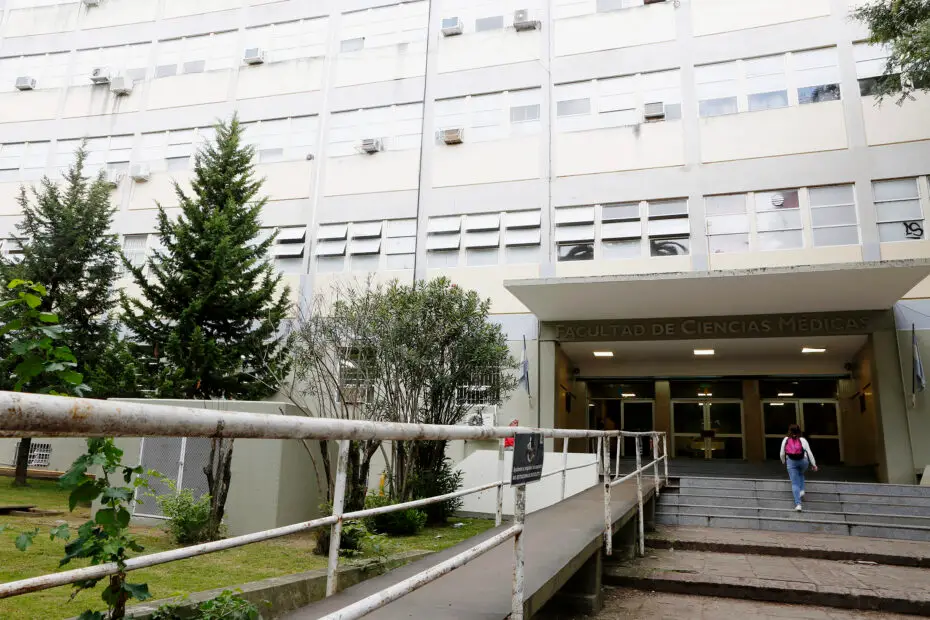
The Faculty of Medicine of UNLP
The legislator's proposal is set against a backdrop of growing discussion about the free access of non-resident foreigners to public services in Argentina.
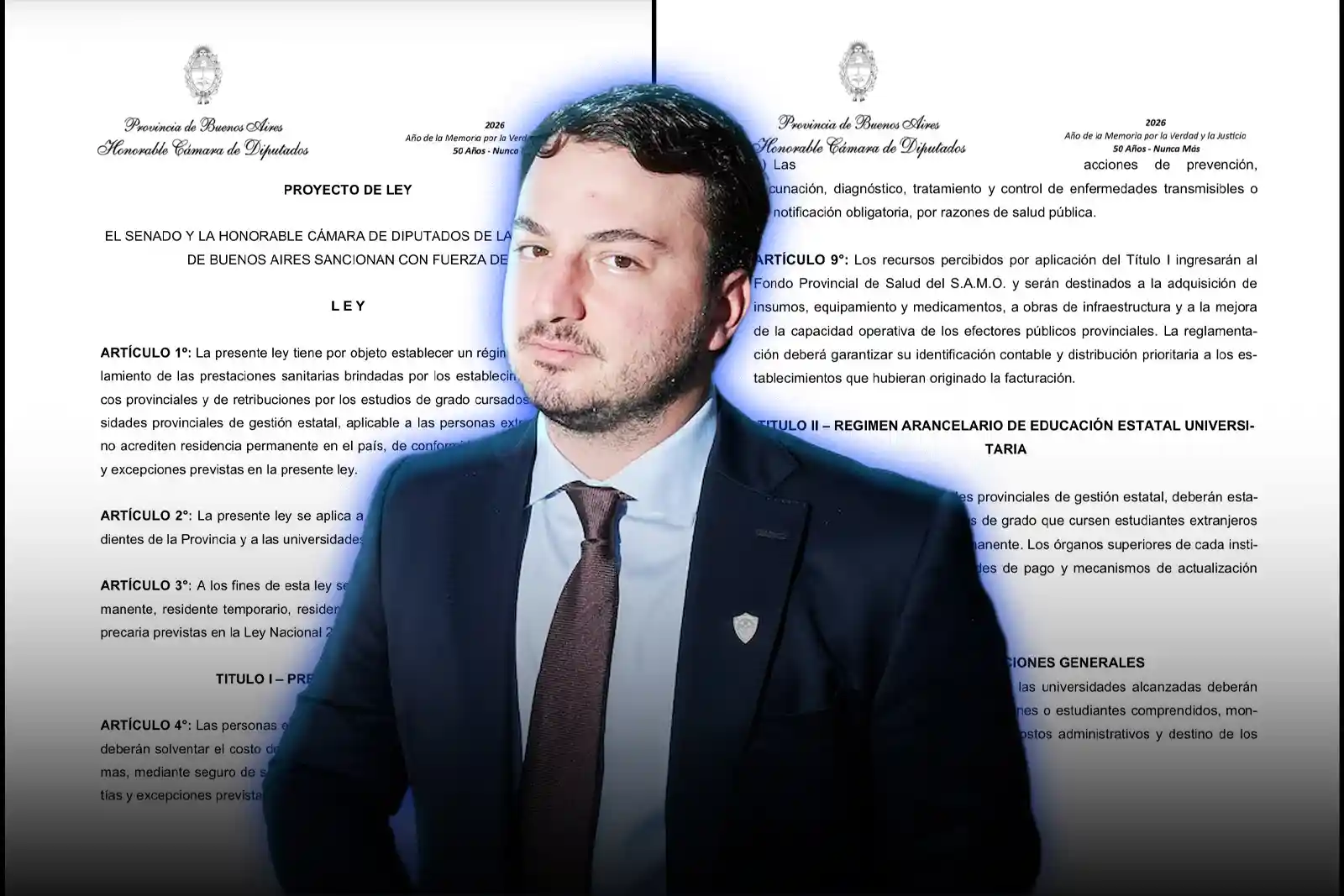
The controversy escalated sharply after the mockery by foreign students following Argentina's defeat in the 2026 World Cup final. For this reason, Romo recently presented a bill to charge for health and education for foreigners in the province of Buenos Aires.
The initiative arises after publications from students coming from abroad, studying at public universities, went viral, celebrating Argentina's downfall and including mockery towards national symbols and the Malvinas Cause.
This episode generated widespread condemnation and demands from thousands of Argentines to review the benefits received by those who are not citizens of the country.
Agustín Romo
In this context, Romo announced the presentation of the project through his account on the social network X, where he expressed his position directly.
“So there are foreigners living in Argentina, studying for free in Argentina, receiving free care in Argentine hospitals while hating Argentina? Perfect. I just presented a project to charge for health and education for foreigners in the province of Buenos Aires,” he wrote.
The legislator's proposal aligns with the criticisms that multiplied on social media after the controversy, where thousands of users pointed out the contrast between access to free public services by foreigners and the offensive manifestations towards the country.
Thus, the proposal specifically targets foreigners who do not have permanent residency in Argentina, who would have to pay for care in public hospitals and for university studies in institutions in the province.
As official data on the Medical degree shows, in the case of the National University of La Plata, the percentage of foreigners already exceeds 50%, confirming the strong presence of non-resident students in Argentine public institutions.