Recent polls show a technical tie in the next elections in Brazil, where there is even a slight advantage on the part of the right, which consolidates an open dispute and redefines the national political scene.
The growth of the opposing candidate is explained by several factors. On the one hand, there has been a sustained expansion of their intention to vote, which went from levels close to 36% to over 45% in a few months, evidencing a capacity to attract new sectors of the electorate. On the other hand, the political scene shows little room for third forces, which reinforces a dynamic of direct competition between two clearly differentiated models
In this context, the figure of former president Jair Bolsonaro continues to carry weight within the electorate, acting as a reference point for a significant part of the voters who seek an
alternative to the current course.
As the electoral calendar approaches, everything indicates that Brazil is heading towards a highly contested election. The polls, far from offering definitive certainties, reveal a clear trend: the political scene is more open than ever, and the result
remains in dispute.
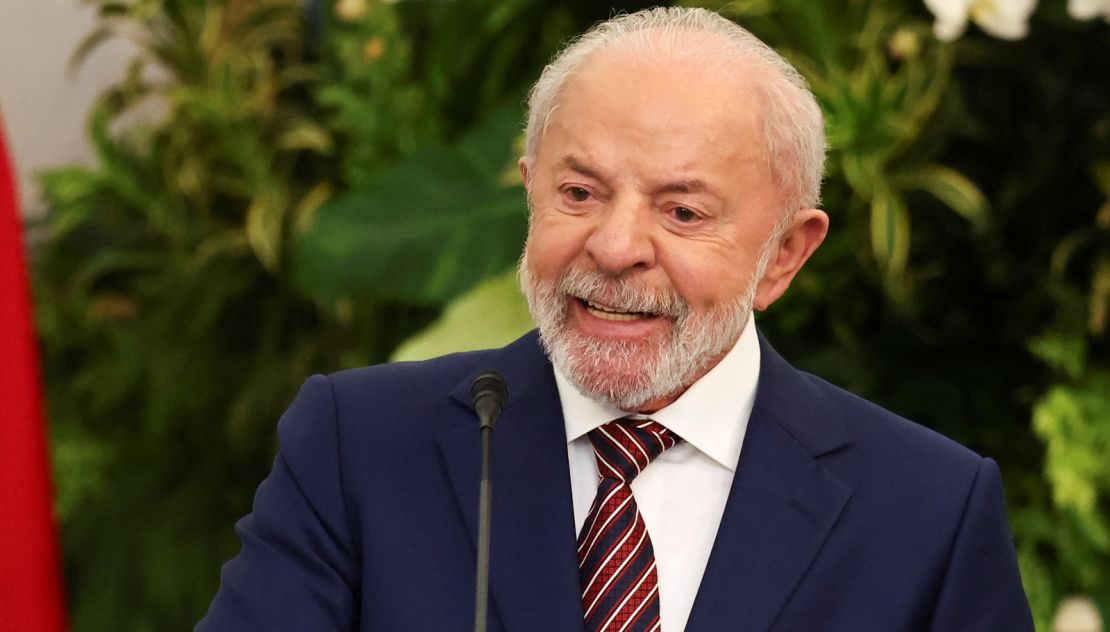
Brazil's political map is beginning to take shape ahead of the 2026 elections, with increasingly clear signs of an open contest. The latest polls show that left-wing president Lula da Silva no longer has the comfortable advantage he was able to display, while Senator Flávio Bolsonaro, son of former Brazilian president Jair Bolsonaro, is able to consolidate himself as a competitive
alternative.
According to the most recent polls, both leaders are in a scenario of a technical tie in a possible second round, with figures that are around 41% for each one. This figure not only reflects a strong polarization, but also the consolidation of an electorate divided into practically equivalent halves
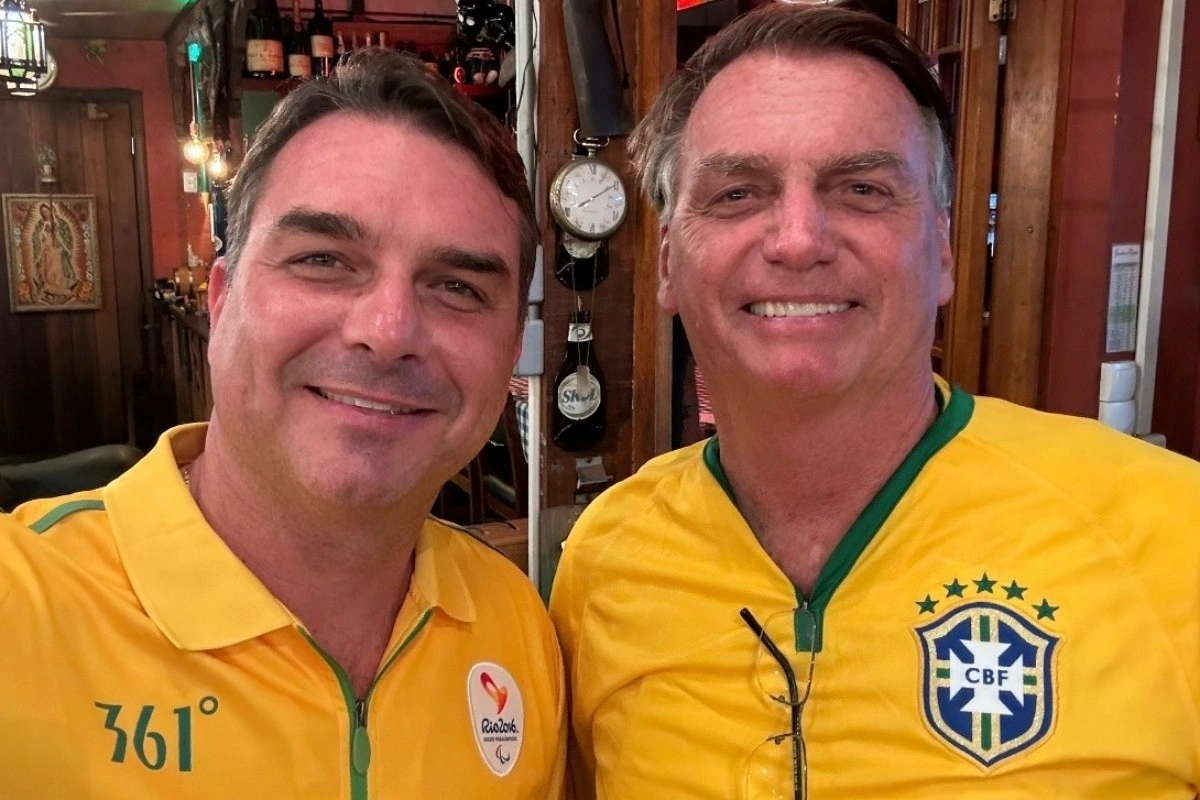
. Brazilian senator and current presidential candidate Flávio Bolsonaro
However, some studies go beyond the tie and suggest a change in trend. A recent poll even places Flávio Bolsonaro above the current president in a possible ballot, marking the first time that the Brazilian ruling party appears behind in this type of measurement. This fact is especially relevant in a context where, until a few months ago, the president's leadership seemed firmer.