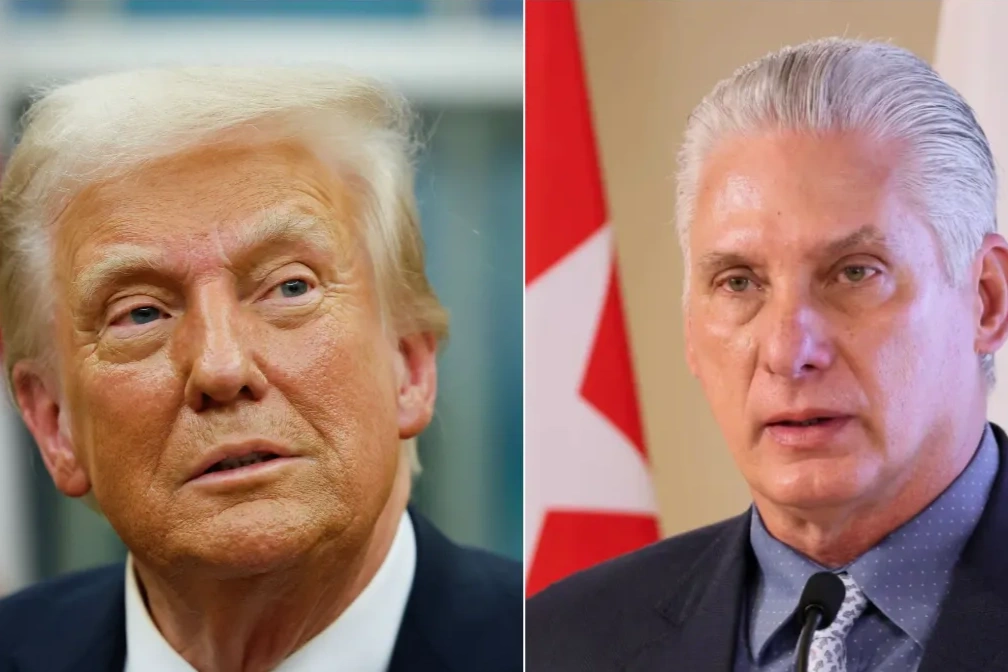
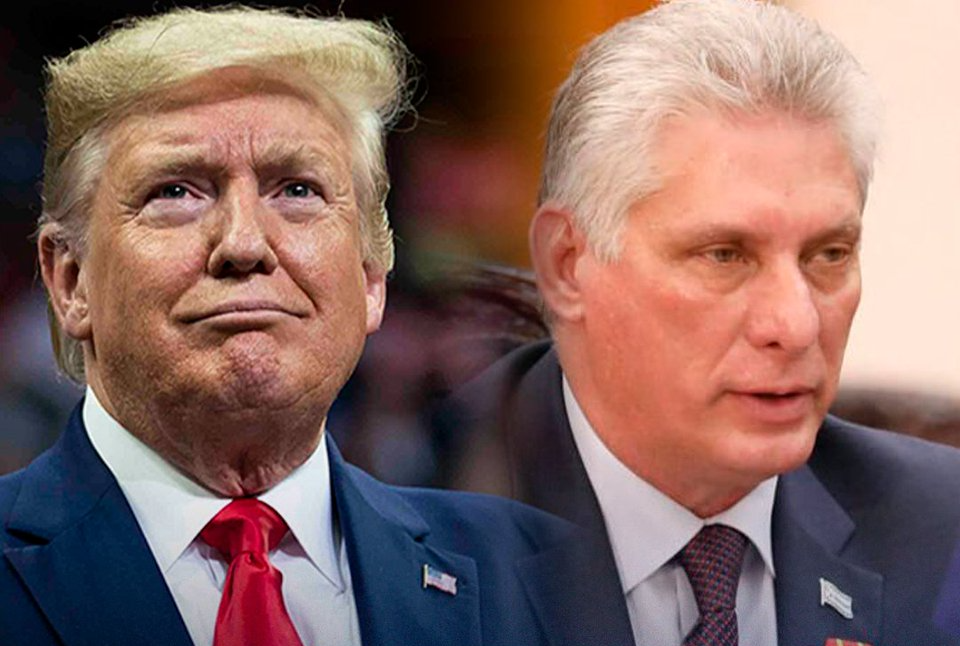
Cuban dictator Miguel Díaz-Canel once again raised the tone against the United States amid growing international pressure on his regime and warned that any attempt at intervention will encounter “impregnable resistance.” The message was interpreted as a direct response to recent statements by US President Donald Trump
.
In his publication, the communist dictator accused the United States of threatening Cuba “almost daily” and of trying to justify possible intervention on the grounds of the economic crisis. According to Díaz-Canel, Washington seeks to “overthrow the constitutional order by force” and seize the country's resources, in what he described as a supposed “economic war
” against the Cuban people. The message sent by the dictator on his networks.
The message was not limited to a complaint, but included a direct warning: any external aggressor “will encounter impregnable resistance”. The phrase was read by analysts as a sign of a tightening of the regime, which seeks to be firm in the face of an increasingly adverse scenario both internally and externally
.
In recent days, President Donald Trump had stated that he could have the “honor” ofliberatingCuba, even leaving open the possibility of more direct action. Added to this are versions of negotiations launched from Washington to force Díaz-Canel out of power and move towards an economic opening on the
island.
The island is going through a deep energy crisis, with widespread blackouts, scarce resources and an economic deterioration that has pushed millions of Cubans to emigrate. Despite this, the official discourse insists on holding external sanctions exclusively responsible, avoiding recognizing the structural flaws of the socialist model.
Far from showing signs of openness, Díaz-Canel's message reinforces the historical position of Castroism: external confrontation and internal control. However, the challenging tone also highlights the fragility of the regime, which faces unprecedented pressures within
Cuban society itself.
The Trump administration has made it clear that it seeks concrete changes on the island, including economic reforms and the release of political prisoners. In this context, the crossing of statements marks a new chapter in the verbal escalation between the two governments