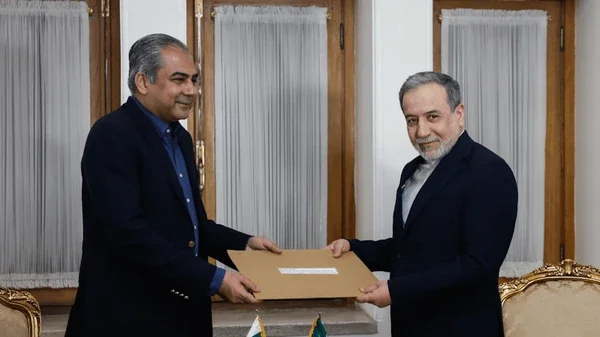
Meanwhile, diplomatic efforts continue to face enormous difficulties. The Interior Minister of Pakistan, Mohsen Naqvi, delivered a letter in Tehran addressed to the Iranian terrorist supreme leader, Mojtaba Jamenei, with the aim of reactivating talks aimed at reducing tensions. However, the prospects for success remain uncertain due to the persistence of hostilities and the increasingly confrontational rhetoric of Iranian authorities.
At the same time, the conflict is also extending to the Persian Gulf. The United States Central Command (CENTCOM) reported that it shot down two Iranian drones near the Strait of Hormuz, one of the world's most important maritime routes for oil transportation.
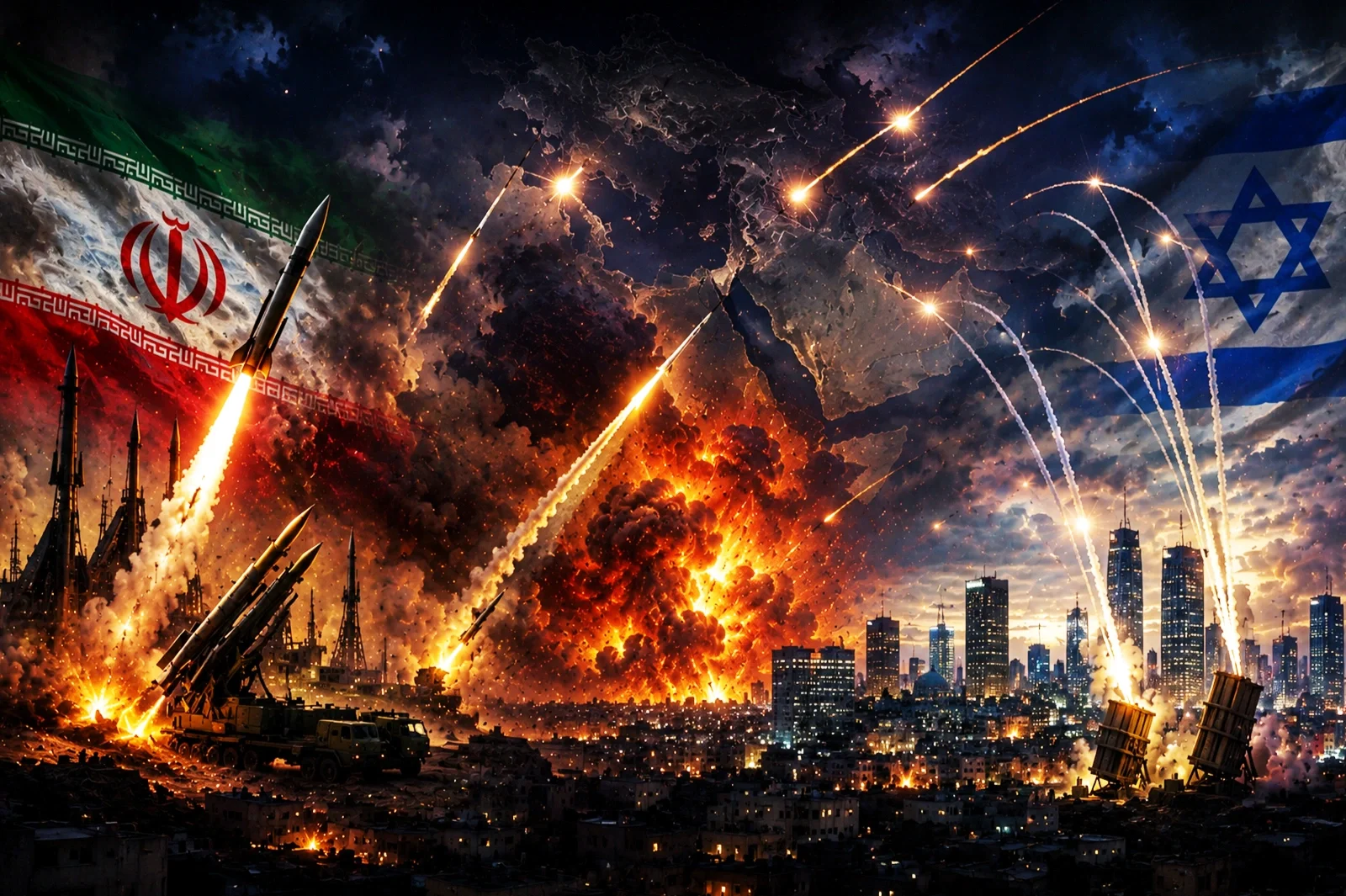
Israel raised its national alert level this Sunday after detecting the launch of missiles from Iran towards its territory, in a new episode of the growing regional confrontation that threatens to further escalate the conflict in the Middle East. The Israel Defense Forces immediately activated their air defense systems and ordered the population to take shelter in protected spaces, while the Air Force deployed operations to intercept the projectiles.
Alert sirens sounded in various areas of the country shortly after Israeli radars identified the launches. The Home Front Command urged citizens to strictly follow security instructions and remain in shelters until receiving official authorization to leave them.
Authorities emphasized that, although Israeli defensive systems are among the most advanced in the world, no defense can guarantee absolute protection against mass attacks, making the cooperation of the population essential.
The new escalation occurred just hours after senior Iranian leaders publicly threatened retaliation against Israel. Ebrahim Rezaei, spokesman for the Iranian Parliament's national security committee, stated that Tehran would respond in a ''painful and decisive'' manner to the recent Israeli bombings against positions linked to Hezbollah in southern Beirut. In a message shared on social media, the official used a particularly aggressive tone and promised a military response during the night.
Subsequently, the threats expanded to the United States. The Iranian Parliament speaker, Mohamad Baqer Qalibaf, accused Washington of supporting Israeli operations and stated that the Iranian regime reserves the right to respond using all means at its disposal. His statements reflect Tehran's increasing willingness to expand the conflict beyond direct confrontation with Israel, a strategy that has heightened international concern about the stability of the region.
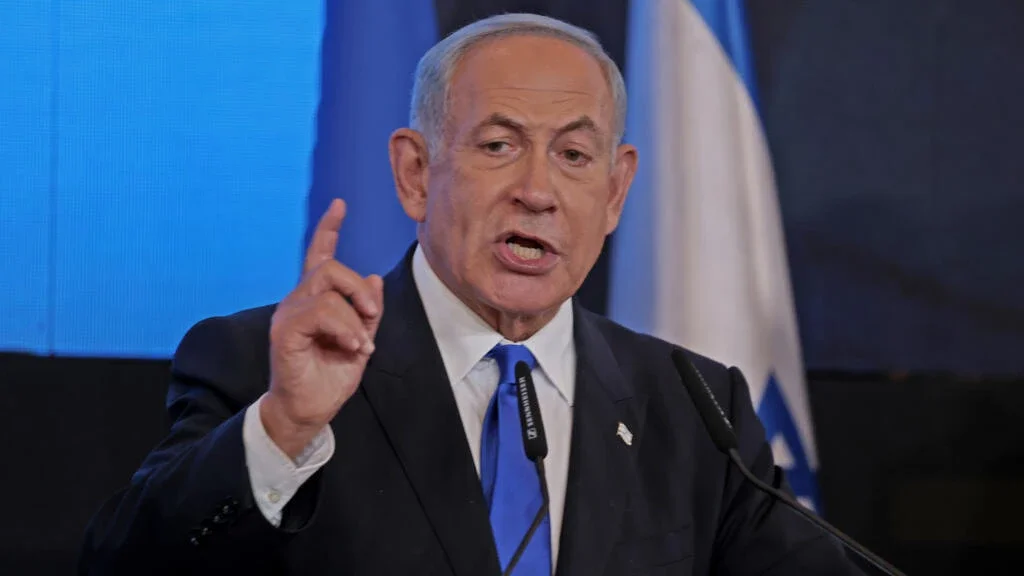
The Iranian threats came after Israel ordered attacks against Hezbollah command centers in the southern suburbs of Beirut. According to the Prime Minister's office, Benjamin Netanyahu stated that the operation was a response to new rocket fire from Lebanese territory towards northern Israel. Hours earlier, Israeli forces had intercepted two projectiles launched from Lebanon, preventing casualties and significant damage.
The Prime Minister of Israel ordered new military operations in southern Lebanon and assured that Hezbollah is "in retreat"
The exchange of attacks highlights the close relationship between Tehran and Hezbollah, an organization politically, financially, and militarily backed by the Islamic Republic for decades. Various Western governments have repeatedly accused the Iranian regime of using allied armed groups in different Middle Eastern countries to expand its regional influence and pressure its adversaries without directly engaging in combat. This strategy has been identified as one of the main factors of instability in the region in recent years.
The operation took place just a day after U.S. forces intercepted four other drones and attacked Iranian coastal radars that posed a threat to international navigation.
The government of Pakistan seeks to position itself as an intermediary between the Iranian regime and the coalition led by the United States
The Iranian response included the launch of missiles against U.S. military installations in Kuwait and Bahrain, deepening the risk of a direct confrontation between Tehran and Washington. International analysts believe that this pattern of escalation reflects the Iranian regime's willingness to resort to increasingly risky military actions to project power and challenge its regional adversaries.
During the day, Netanyahu stated that Hezbollah is ''in retreat'' as a result of Israeli operations in southern Lebanon. According to figures released by the Israeli government, around 350 fighters from the organization have been eliminated over the past week, while Israeli forces consolidated strategic positions near the border.
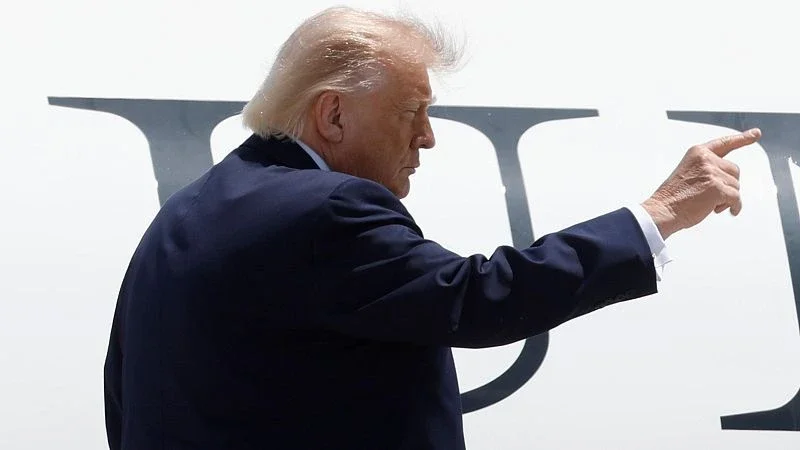
For his part, U.S. President Donald Trump stated that negotiations with Iran are close to reaching an agreement, although he acknowledged that significant differences remain regarding the situation in Lebanon, the unfreezing of Iranian assets, and security in the Strait of Hormuz.
President Donald Trump stated that a peace agreement in the Middle East will be reached soon, although he acknowledged some points of friction such as the situation in Lebanon