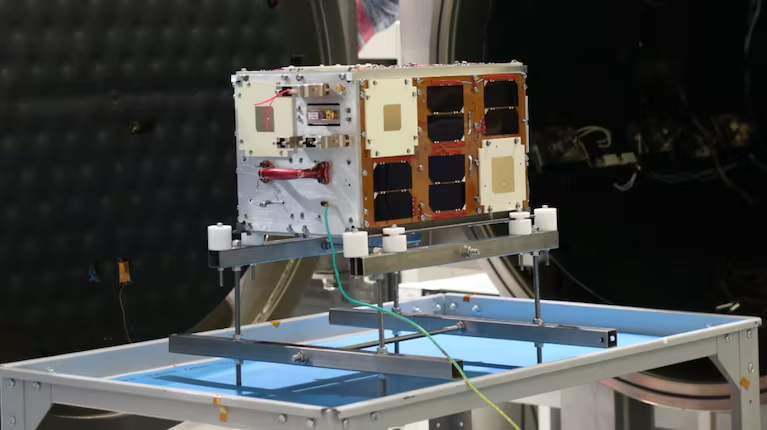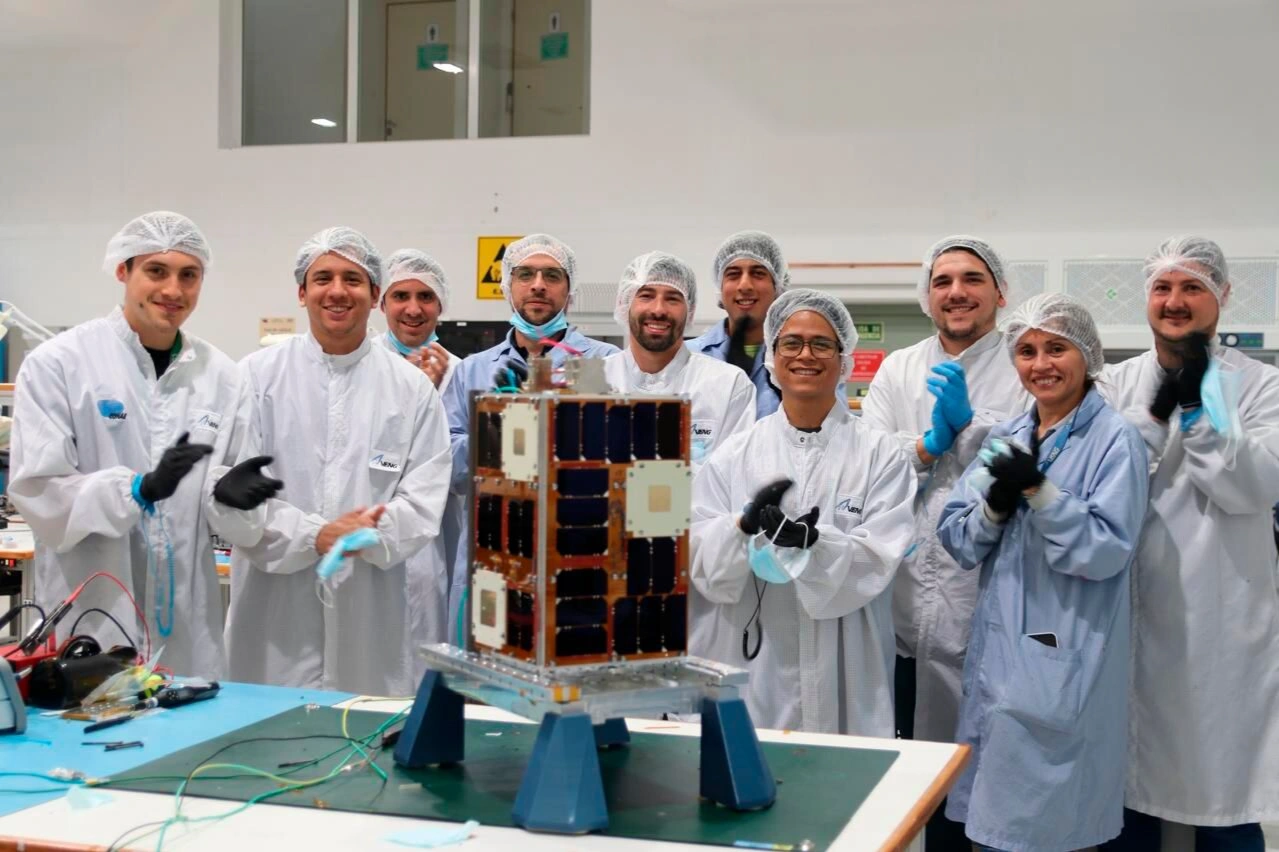

The Argentinian microsatelite Atenea successfully completed its mission within the framework of the “Artemis II” program, in what represents a significant step forward for space development national and its international projection. This was reported by the National Commission for Space Activities (CONAE), which confirmed that the device met all of its objectives after 20 hours of operation in deep space
.According to the agency, Atenea managed to correctly transmit all the expected data to the ground stations located in Córdoba and Tierra del Fuego, in coordination with international teams. This performance validated both the reliability of communication systems and the operational capacity of Argentine terrestrial infrastructure in highly complex missions
.The “cubesat”, developed entirely in the country, had as its main objective to evaluate the behavior of electronic components under extreme conditions, in addition to measuring radiation levels from low Earth orbit to considerably greater distances. This data is essential for the design of future missions, especially those involving operations in highly demanding environments, such as deep space
.One of the highlights of the mission was the range achieved by the satellite. The first signal was received more than 40,000 kilometers from Earth, while a second transmission exceeded 70,000 kilometers, setting a historic record for Argentina. This achievement places the country at a higher level in terms of technological experimentation and demonstrates its capacity to face challenges typical of large space agencies