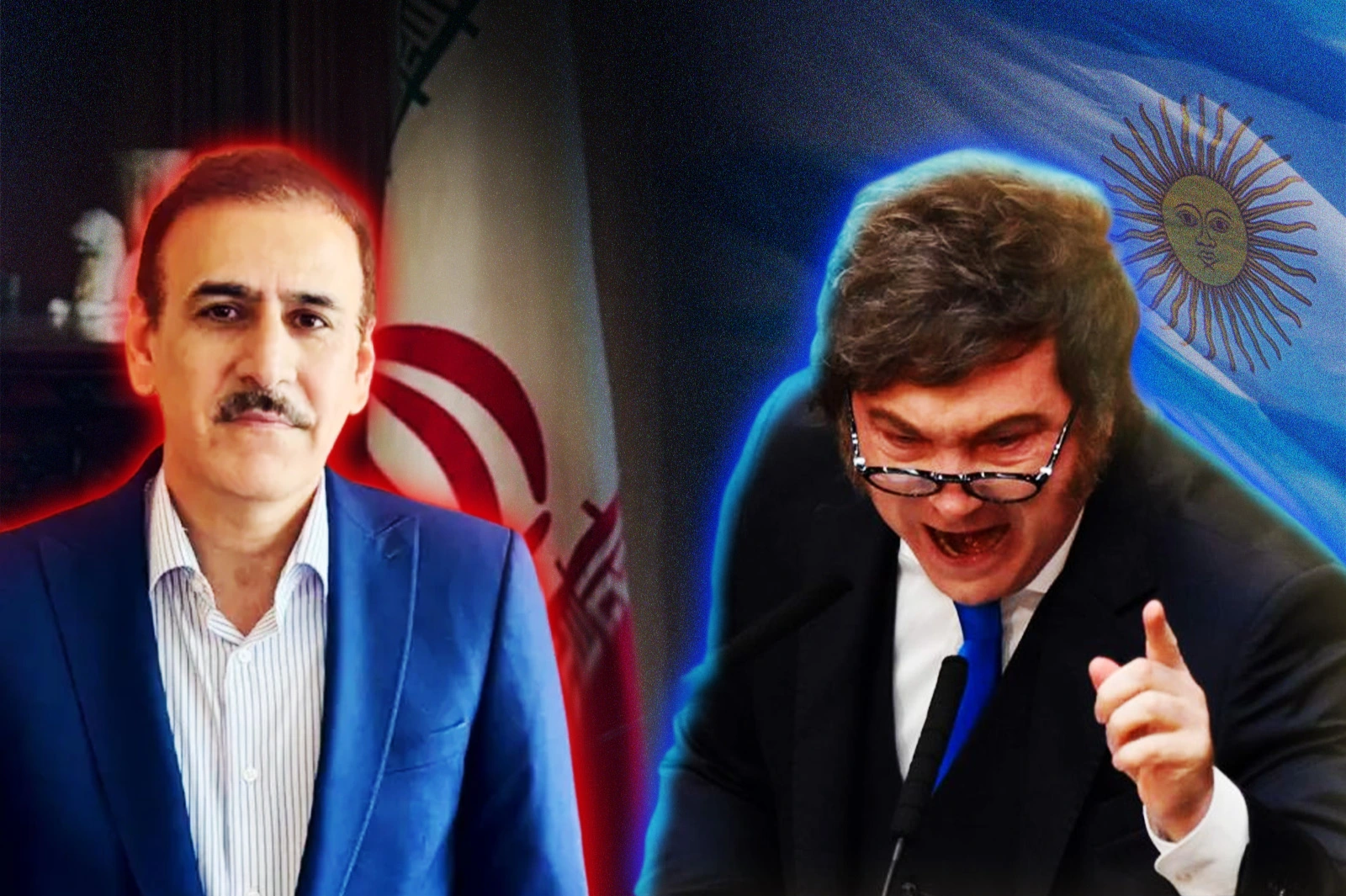
Argentina has decided to explicitly align itself with the United States and Israel in the current global scenario.
This position reinforces the country's integration into the Western Bloc and marks a distance from authoritarian regimes.
An unambiguous foreign policy
The expulsion of the Iranian diplomat reflects a
profound change compared to previous stages.
The Milei Government opts for a clear foreign policy, without concessions in the face of regimes questioned by terrorism and violations of international law.
This line seeks to recover international credibility and defend national interests.
Diplomatic escalation in just 48 hours
The sequence was quick and forceful
.
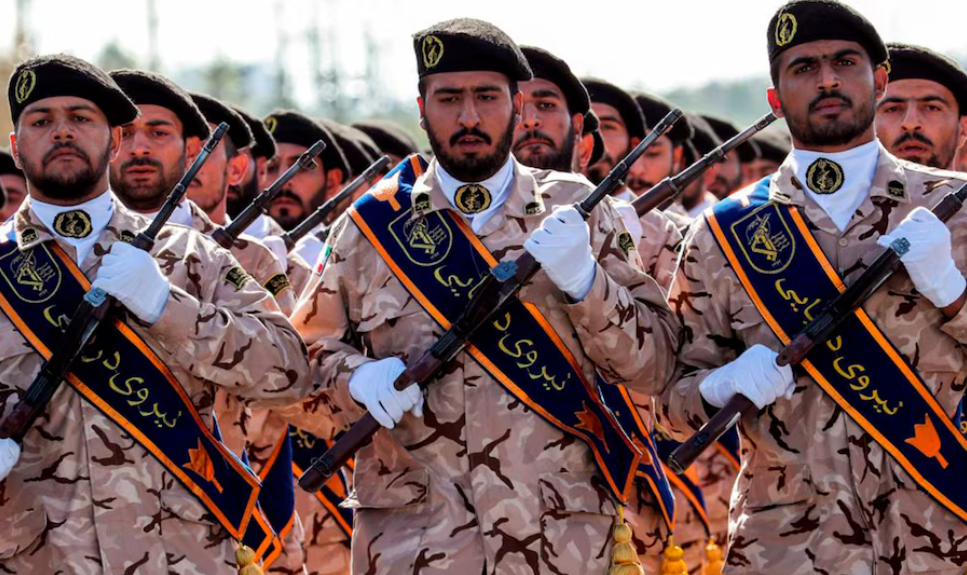
First, Argentina declared the Revolutionary Guard a terrorist.
Iran then responded with accusations and threats.
Finally, the Argentine Government responded by expelling the diplomat.
Argentina reaffirms its commitment to justice The closing of the
official communiqué summarizes the
Government's position.
Argentina reaffirms its commitment to memory, justice and the fight against terrorism.
It also ratifies respect for international law, but without tolerating external aggression.
A clear message to the world
The decision sends a strong signal to the international community
.
Not only does Argentina align itself with the West, but it is also willing to act in the face of concrete threats.
The Government thus sets a new standard in foreign policy: firmness, clarity and defense of democratic values.
The government of Javier Milei made a decisive decision in foreign policy and expelled the main diplomatic representative of the Iranian regime in the country.
The measure, which involves declaring Iran's chargé d'affaires a “persona non grata”, consolidates Argentina's strategic shift towards a firm stance in defense of sovereignty, justice and the fight against terrorism.
Argentina tightens its position against the Iranian regime
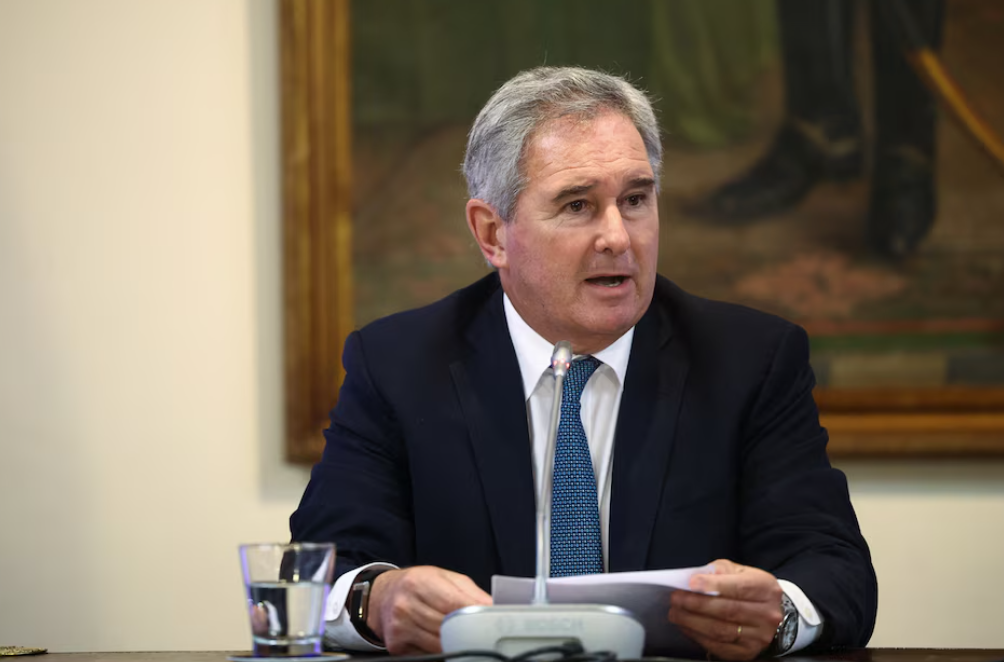
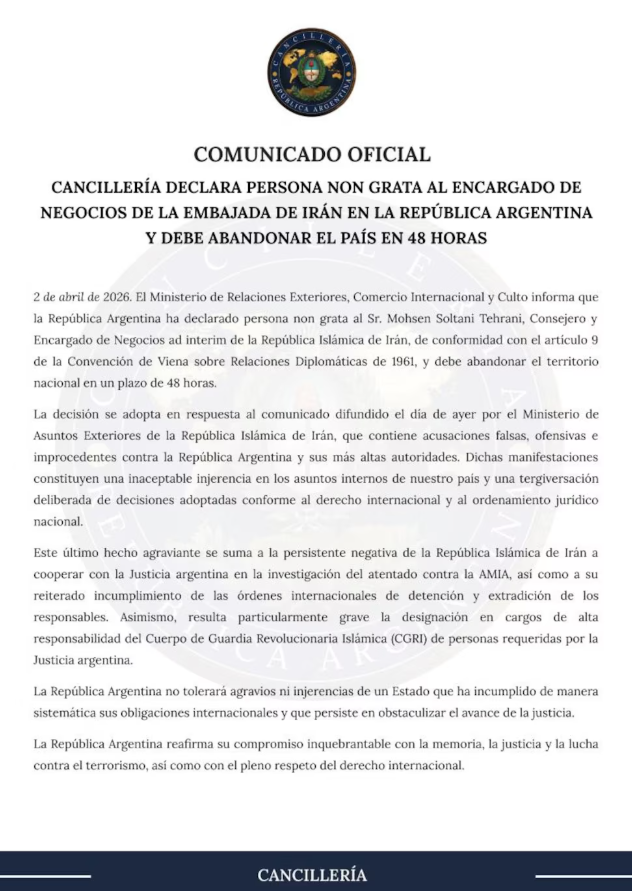
The Foreign Ministry, headed by Pablo Quirno, made official the decision to expel Mohsen Soltani Tehrani
within 48 hours.
The Government based the measure on article 9 of the Vienna Convention, which allows States to withdraw recognition from foreign diplomats without the need for further explanation.
The decision comes after a statement from the Iranian regime with accusations considered “false, offensive and inappropriate” by Argentina.
Firm response to grievances and threats
The Executive indicated that Tehran's statements constitute unacceptable interference in the country's internal
affairs.
The official statement notes that Argentina will not tolerate grievances from a State that, in addition, systematically violates its international obligations.
The response was not only diplomatic, but also political: setting clear boundaries against a regime marked by its role in international terrorism.
The key background: AMIA and the lack of Iranian cooperation
One of the central points of the conflict is Iran's historic refusal to collaborate with the
Argentine justice system.
The Government recalled that the regime persists in not complying with international arrest requests linked to the attacks on AMIA and the Israeli Embassy.
He also warned of the seriousness of people wanted by the Argentine justice system holding positions within
the Revolutionary Guard.
The Revolutionary Guard, at the center of the conflict
The escalation began when Argentina decided to include the Iranian Revolutionary Guard as
a terrorist organization.
This decision is based on judicial records and the association of that body with terrorist attacks.
Iran's reaction was immediate, with a statement that sought to discredit the Argentine position and hold the West responsible.
Clear alignment with the United States and Israel
The Government's decision is part of a broader foreign policy strategy