

In an unprecedented advance towards the development and modernization of national education, the Government of Javier Milei and the prestigious international firm Starlink have sealed a historic strategic alliance to provide high-speed satellite internet to a total of 6,000 rural schools distributed throughout the Argentine territory.
The historic connectivity plan represents a joint investment valued at the impressive figure of USD 21.8 million. In a demonstration of optimal management and public-private coordination, the financing will be resolved through a highly beneficial mixed scheme for the taxpayer: the national government, through the Universal Service Fund (a public resource strictly dedicated to technological inclusion), will contribute almost 12 million dollars.
For its part, the multinational company of Elon Musk will make a massive corporate contribution in equipment and services valued at around USD 10 million.
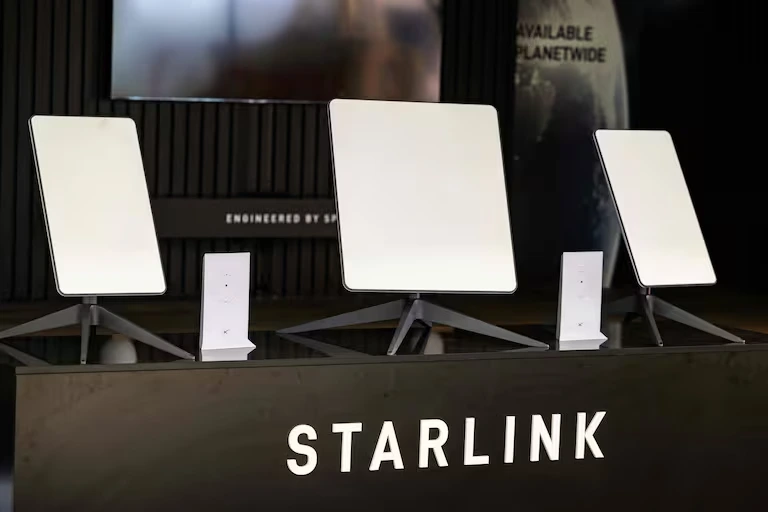
The operational deployment of the agreement includes the direct distribution of 6,000 satellite kits that will be provided by the local subsidiary Starlink Argentina.
Each border or rural educational institution will receive state-of-the-art technological equipment consisting of receiving antennas and routers specially optimized to withstand severe rural conditions.
Furthermore, the national administration has guaranteed free access to the company's highest capacity commercial plan for each of these schools, which gives absolute priority for connection and enables a monumental monthly consumption of up to five terabytes of data.
Regarding the long-term sustainability of the project, the agreement establishes that during the first 24 months, the cost of the service will be absorbed and financed directly by Starlink.
Once this initial two-year period of corporate gratuity concludes, the National Communications Entity (ENACOM) will take over the financial responsibility, covering a complete third year of service.
This strategic planning ensures that the benefiting schools will not be left unsupported or suffer technological disconnection once the launch phase is completed.

The rigorous installation schedule will give absolute priority to areas with the greatest difficulties in physical connectivity, projecting that the vast majority of the 6,000 schools will have fully active and stable service before the end of the 2026 school year.