Russia raised the tone of its warnings towards the United Kingdom and NATO on Tuesday by stating that any attempt to block or attack its enclave of Kaliningrad could trigger a military response that would include nuclear weapons. The threat was communicated by the Russian embassy in London, amid growing tensions between Moscow and Western countries over the war in Ukraine and the security of the eastern flank of the Atlantic Alliance.
In a message published on Telegram on September 29, the Russian embassy referred to the British drama and fiction series ''The Wargame'', which presents a hypothetical scenario in which the British government analyzes attacks against Russian territory, including Kaliningrad, following an alleged attack by Moscow against the United Kingdom.
The diplomatic representation also mentioned an article published on September 26 by a British newspaper, which suggested that Kaliningrad, considered for years a threat to the NATO, could have become a vulnerability for Russia due to the redistribution of some of its military forces towards Ukraine.
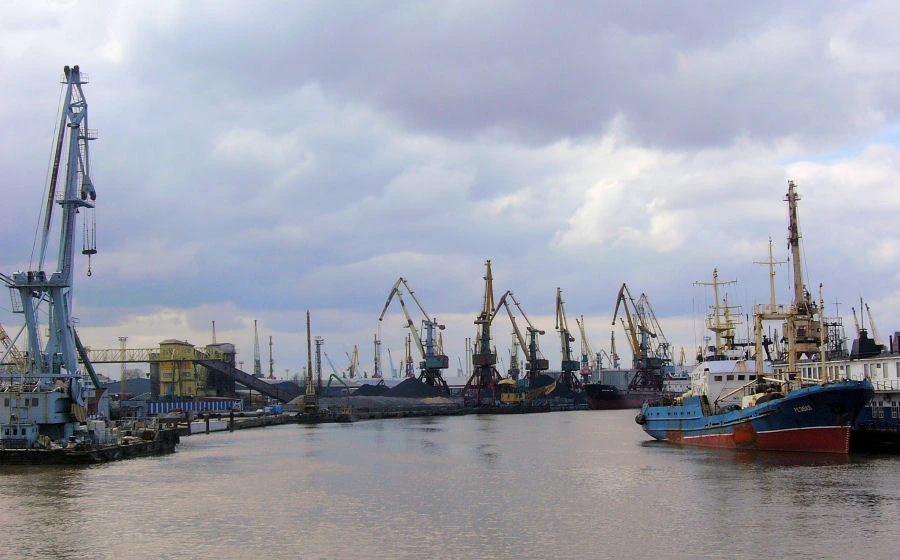
Kaliningrad is a Russian territory separated from the rest of the country and located between Poland and Lithuania, both NATO members. The enclave houses the headquarters of the Russian Baltic Fleet and has the only Russian port that is ice-free year-round. Its geographical position makes it a strategic point for Russia and a central element in NATO's military calculations in Northern Europe.
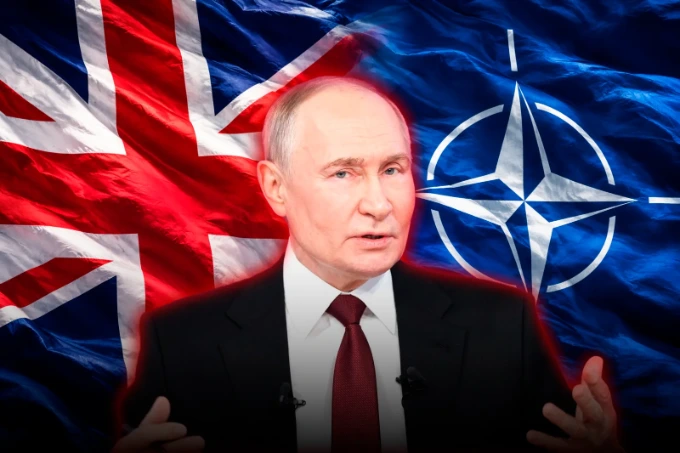
The Russian government threatened the United Kingdom and NATO with unleashing a nuclear attack in response to a possible attack on Kaliningrad
The Russian embassy responded to the debate by stating that any British or NATO military action against Russian territory would receive a response using ''all means'' available to Moscow, including nuclear weapons.
The diplomatic representation added that Russia does not seek confrontation with NATO or Europe and does not intend to attack the countries of the alliance. However, it warned that any state that decides to initiate a conflict should bear the consequences of a Russian response.
The warning came after the Russian embassy in Belgium denounced on September 28 a supposed escalation of Western military rhetoric, particularly on NATO's eastern flank. Moscow pointed to examples such as France's discussions with Latvia about a possible extension of its nuclear capability protection to that Baltic country, as well as existing deterrence agreements with Finland, Denmark, Norway, and Sweden.
According to the Russian position, Western countries are deliberately increasing the level of confrontation by discussing NATO's capabilities to attack military targets in Kaliningrad and promoting new military exercises near Russian borders.
Kaliningrad represents a strategic position for Russia, as its port allows for year-round operations without frozen waters
NATO rejected those threats. Allison Hart, a representative of the organization, stated to the German network DW that the alliance firmly condemns any threat to use force, including nuclear rhetoric, which she described as irresponsible. She also called on Russia to end its war in Ukraine.
The warnings come as European governments analyze new coordinated responses to what they consider Russian hybrid warfare activities. Defense ministers of the European Union are studying mechanisms that would allow the activation of a common emergency protocol when one of the member countries is a victim of hybrid attacks, which can include sabotage, drone incursions, and other actions that do not necessarily reach the level of open military aggression.
The European Union maintains that Moscow would be coordinating such operations to weaken European unity and reduce Western support for Ukraine. Russia rejects these accusations and claims that NATO countries blame it without evidence to justify greater confrontation.
Concerns increased after several drone incursions into European territory. Among them is an incident recorded in August at Leipzig airport, which Germany attributed to Russia, although Moscow denied any involvement.
NATO has denied that its positions symbolize a rhetoric favorable to an increase in attacks against Russian territory