
The EU-Mercosur agreement comes into force and opens up a historic opportunity for Argentina

The EU-Mercosur agreement comes into force and opens up a historic opportunity for Argentina

The pact begins to be applied provisionally and opens up a market of more than 700 million people for Argentine exports.

Share:

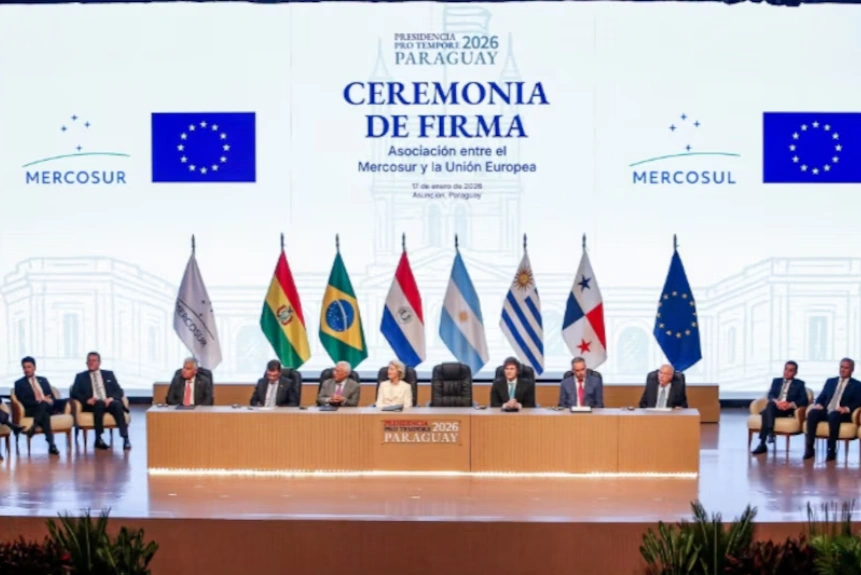
The trade agreement between the European Union and Mercosur began to take effect provisionally, marking a turning point after more than 25 years of negotiations.

For Argentina, the beginning of this phase represents a concrete opportunity for export expansion, investment and growth, in line with the strategy of economic opening promoted by the government of Javier Milei.

A market of 700 million people

The agreement creates one of the largest commercial spaces in the world.

Among its key points:

  • Elimination of more than 90% of tariffs

  • Integration of markets between Europe and South America

  • Progressive application by sector

The implementation will be gradual, with deadlines of between 7 and 18 years depending on

the product.

What changes from today for Argentina

  • Since the entry into force:

    • Several Argentine products begin to be exported with a 0% tariff

    • Others start progressive reduction schemes New export quotas are

    • enabled

    Imagen 1398664

    Among the main benefits:

    • Peanuts, legumes and oils are already entering tariff-free

    • Soy and derivatives drop from 6% to 0% Citrus fruits and wines will have progressive access This directly improves the

  • Argentinian competitiveness vis-a-vis other global exporters

    .

    Agribusiness: the main driver of the agreement

    The

    sectors most benefited will be:

    • Beef Meat Poultry

    • Soybean Complex

    • Peanuts

    • and regional economies

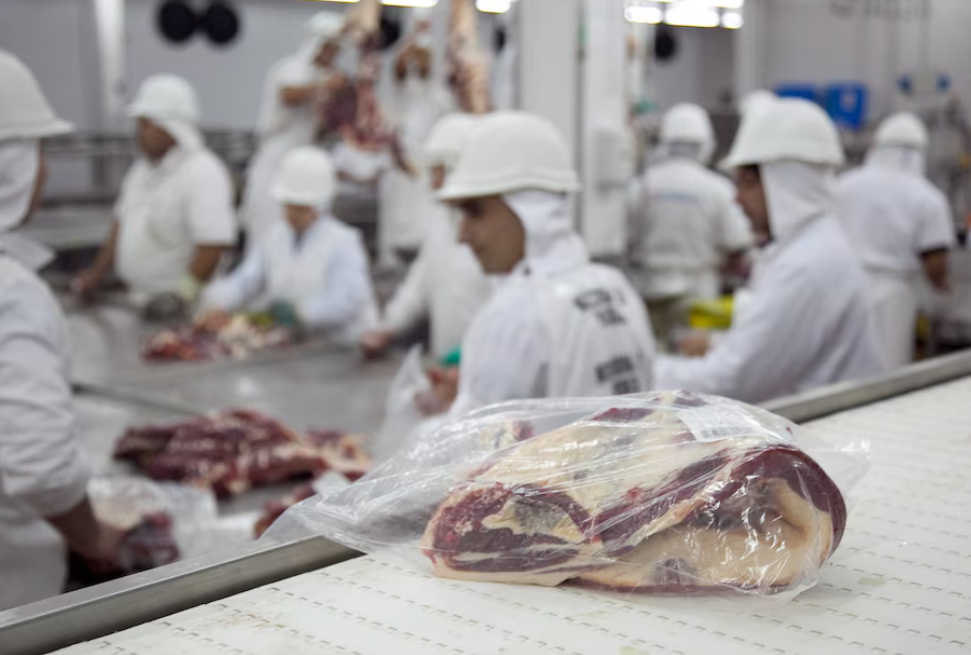
    The beef quota, for example, will allow 99,000 tons to be exported

    annually with a preferential tariff.

    Investments: the Milei effect

    The agreement not only impacts trade, but also

    investment.

    According to private estimates:

    • Exports could grow 79% by 2030

  • European investments could double

  • The annual flow could reach USD 4 billion

  • .

    The new framework reduces perceived country risk and strengthens international confidence

    .

    Clear rules and predictability

    One of the central points of the agreement is legal certainty

    .

    The Government has already moved forward with regulations to:

    • Distribute export quotas

    • Define requirements for companies

    • Ensure transparency

    This allows companies to plan for the long term

    .

    Challenges: European requirements

    Access to the European market also implies new conditions:

    • Mandatory environmental traceability

    • Stronger phytosanitary controls

    • Rules of origin in industrial sectors In

    particular, Europe will require batch-by-lot geolocation in

    soybeans from 2026.

    Political tensions in Europe

    The agreement was not without resistance

    .

    Countries such as France:

    • They criticized the impact on their agribusiness

    • They tried to slow down implementation However, the

    progress of the pact reflects a geopolitical shift:

    • Europe seeks counterweight against China It

    • reinforces its link with Latin America

    • A paradigm shift for Argentina The

    beginning of the EU-Mercosur agreement marks a

    new phase.

    For Argentina:

    • Expands markets

    • Improves competitiveness

    • Attracts investments

    In a challenging global context, the country succeeds in inserting itself into one of the most important economic blocs in the world, consolidating a model based on openness,

    production and exports.