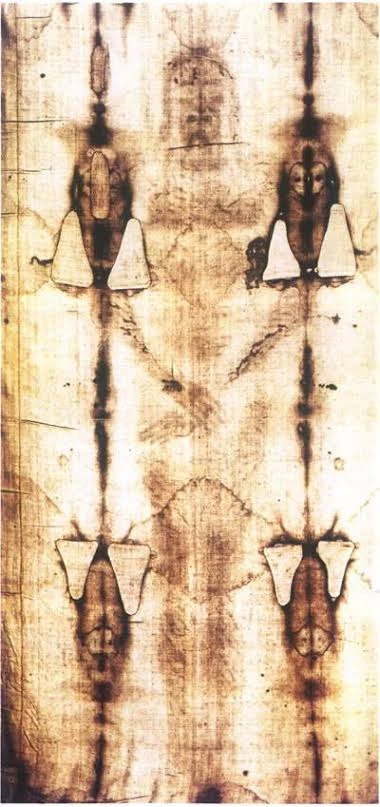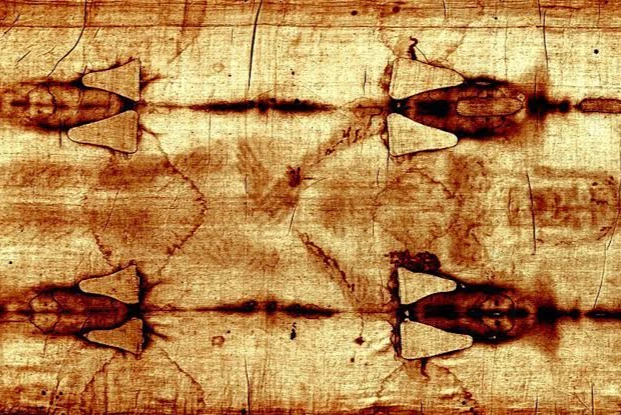

The Shroud of Turin, one of the most enigmatic and debated religious artifacts in history, has just provided new clues thanks to cutting-edge DNA analysis. Scientists examined samples officially taken in 1978 and found a surprising mix of genetic material that reflects centuries of human contact and exposure to different environments.
The work, published in the journal Scientific Reports, applied for the first time an advanced metagenomic sequencing technique without PCR to these historical samples. This method allows for the identification of DNA from multiple species in the same fragment, which is especially useful in objects that have been handled, stored, and moved over time.
The researchers detected several lineages of human mitochondrial DNA, indicating that people of different genetic backgrounds left their mark on the cloth. They also found an unexpectedly diverse microbiome, with bacteria typical of human skin, fungi, and microorganisms adapted to saline environments, including some archaea capable of living in extreme conditions.
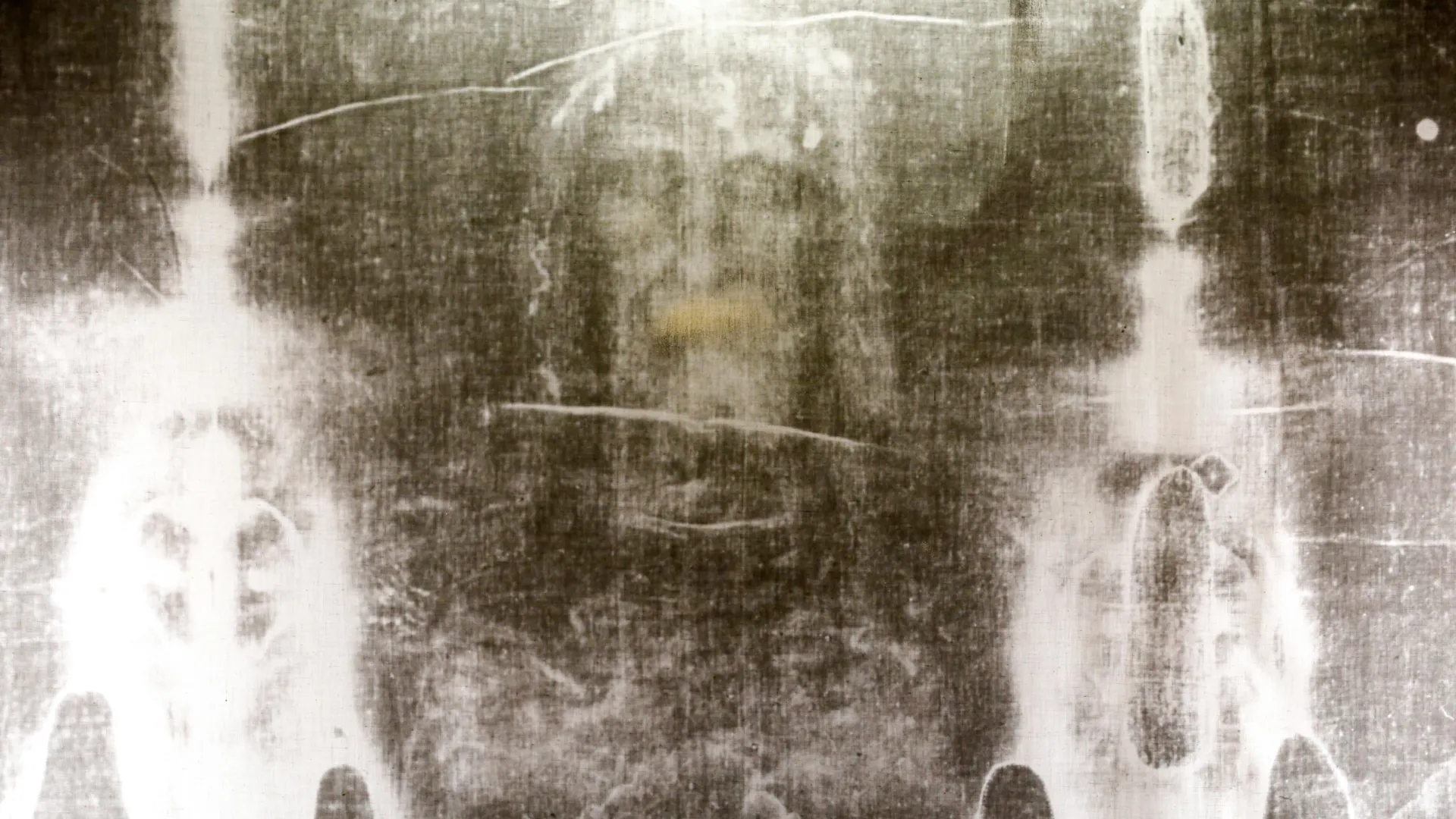
Beyond the human and microscopic, the team identified genetic material from cultivated plants such as wheat, carrot, corn, banana, and peanut. Traces of domestic animals also appeared: cows, pigs, chickens, dogs, and cats. One of the most striking findings was the presence of DNA associated with red coral from the Mediterranean.