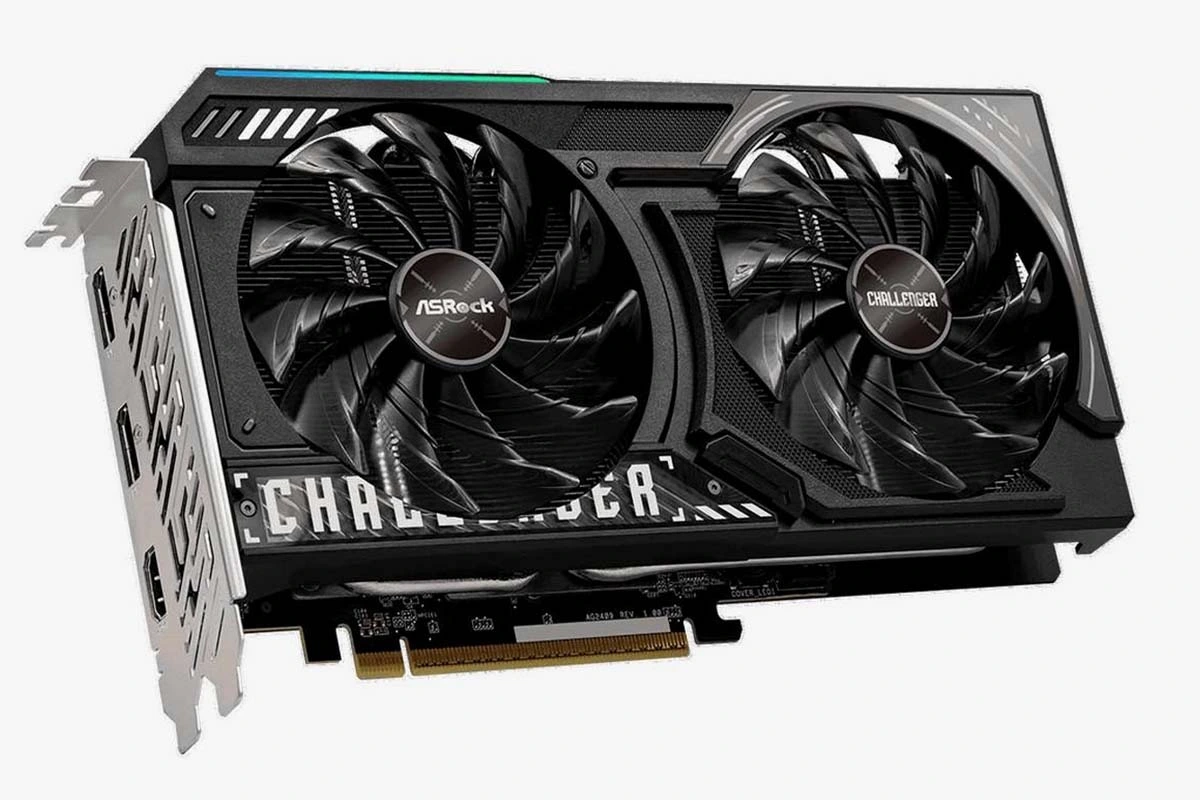
The shortage of RAM memory affecting the tech industry continues to have repercussions in the graphics card market. AMD launched the Radeon RX 9050, a new graphics card that includes a version with just 4GB of memory, something that hasn't been seen in a while in this segment.
The price of memory skyrocketed over the past year, leading to widespread increases in all products that use it. AMD's strategy aims to provide a more affordable option in this scenario.
AMD launched the Radeon RX 9050, which includes a version with just 4GB of memory
What the two versions of the Radeon RX 9050 are like
The Radeon RX 9050 has two versions. The first features 8GB of memory and will be available soon at a price of USD 279. The second, with 4GB, will be exclusive to OEM partners, according to Tom's Hardware.
This means that the 4GB version will only be available integrated into pre-built low-end computers and cannot be purchased separately. Additionally, it will have a slower memory bus of 64 bits, with a bandwidth of just 288GB/s.
Both versions share the same GPU, with 1,024 shading cores distributed across 16 compute units. In comparison, the Radeon RX 9060 XT has 32 compute units, while the Steam Machine has 28.
What are the two versions of the Radeon RX 9050 like
What performance is expected from AMD's new card
With these specifications, the Radeon RX 9050 is expected to be limited to 1080p resolution, and even then, it will be necessary to adjust the graphics settings to medium level to achieve stable performance.
Variants from manufacturers like Powercolor, ASRock, and Sapphire have already appeared, although none are available for purchase yet. They are expected to arrive at stores like Newegg or Amazon during the week. The 4GB version, on the other hand, will only be obtainable within pre-built desktop computers.
What performance is expected from the new AMD motherboard
Why the RAM memory crisis shows no signs of ending
The memory shortage scenario shows no signs of improving in the short term. Valve itself pointed out this month that the prices currently seen in stores still reflect values from suppliers several months ago.
The problem is not limited to gaming computers either. The Xbox Series X is about to receive its second price increase in less than a year, due to the demand for memory from artificial intelligence data centers. Xbox CEO Asha Sharma indicated that the situation could worsen even further.