This strategy had protected Apple when Wall Street questioned spending on AI. Now, however, it has left the company out of much of the rebound of companies linked to that sector.
The cost of memory chips also worries Apple
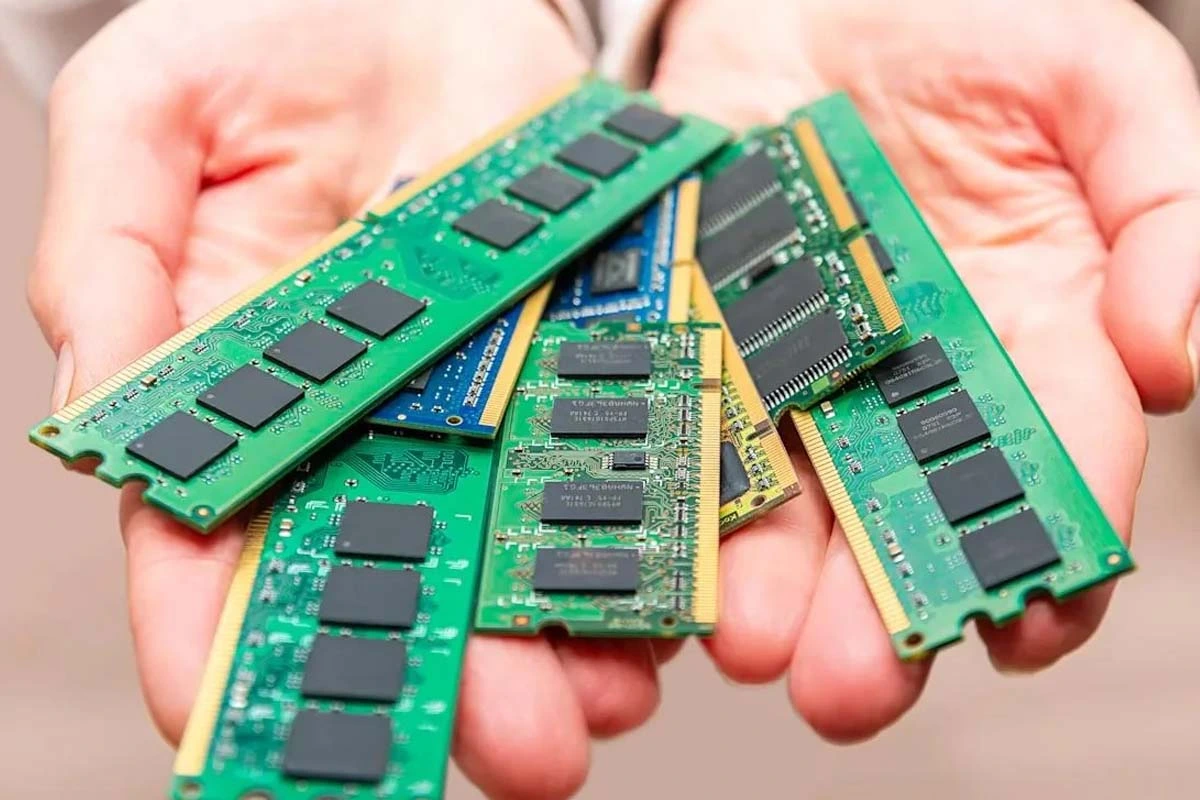
The rise of artificial intelligence has increased the demand for memory chips used in data centers. These components account for between 10% and 20% of the manufacturing cost of a smartphone.
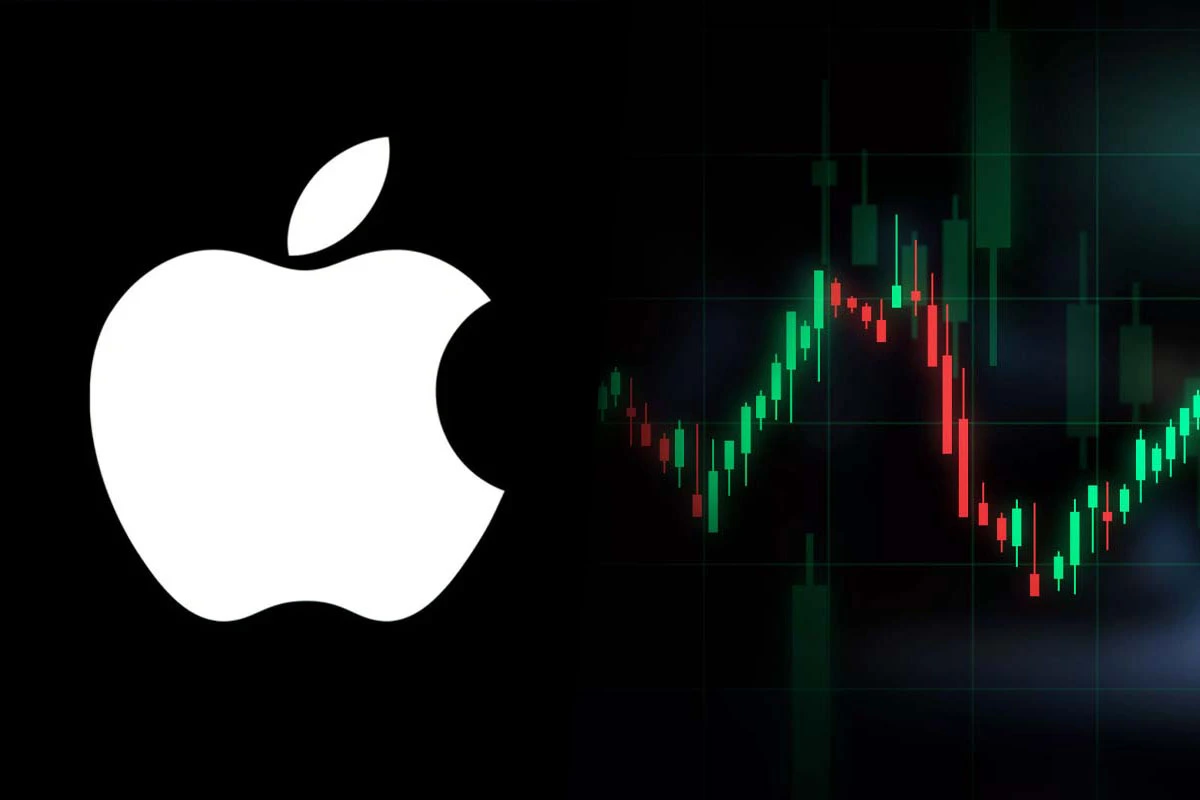
Apple has accumulated a decline of nearly 10% since its all-time high on July 28 and has lost almost US$ 500 billion in market value. Although its shares rose 1.5% this Tuesday, the company ranked among the 25 worst-performing companies in the S&P 500 over the past three weeks.
The decline brought Apple's market capitalization down from over US$ 5 trillion to about US$ 4.56 trillion. This drop contrasts with the performance of the Nasdaq 100 and the semiconductor sector, which advanced strongly during the same period.
Why did Apple's stock fall
Why Apple’s shares fell
The decline began after Apple reported its fiscal third-quarter results. The company reported revenues of US$ 109.42 billion, a year-over-year growth of 16.4% that exceeded Wall Street's expectations.
Sales of the iPhone also reached a record during the June quarter. However, investors focused their attention on projections for the next period.
Apple anticipated revenue growth of between 9% and 11%, below the 12% that the market expected. Additionally, it warned of restrictions in obtaining some components necessary for manufacturing its devices.
Why did Apple's stock fall
Apple lost ground to the rise of AI-related stocks
While Apple's shares declined, the Nasdaq 100 rose about 8% and the Philadelphia semiconductor index increased by 14% over the past weeks.
This movement was driven by renewed interest in companies benefiting from spending on artificial intelligence infrastructure. The earnings reports from Microsoft, Amazon, and Alphabet also alleviated some doubts about the large investments directed towards this technology.
Apple lost ground to the rise of AI-related stocks
Apple took a different path than several of its main competitors. The company avoided building a large in-house artificial intelligence infrastructure and prioritized agreements with third parties.
The cost of memory chips is also a concern for Apple
The rising cost of these components could reduce Apple's margins or lead the company to raise the prices of its devices.
The company reported a gross margin of 50.1% during the last quarter. About 2% was due to tariff refunds, so without that extraordinary benefit, the margin would have been around 48.1%.
The company reported a gross margin of 50.1% during the last quarter
What could happen with Apple and the upcoming foldable iPhone
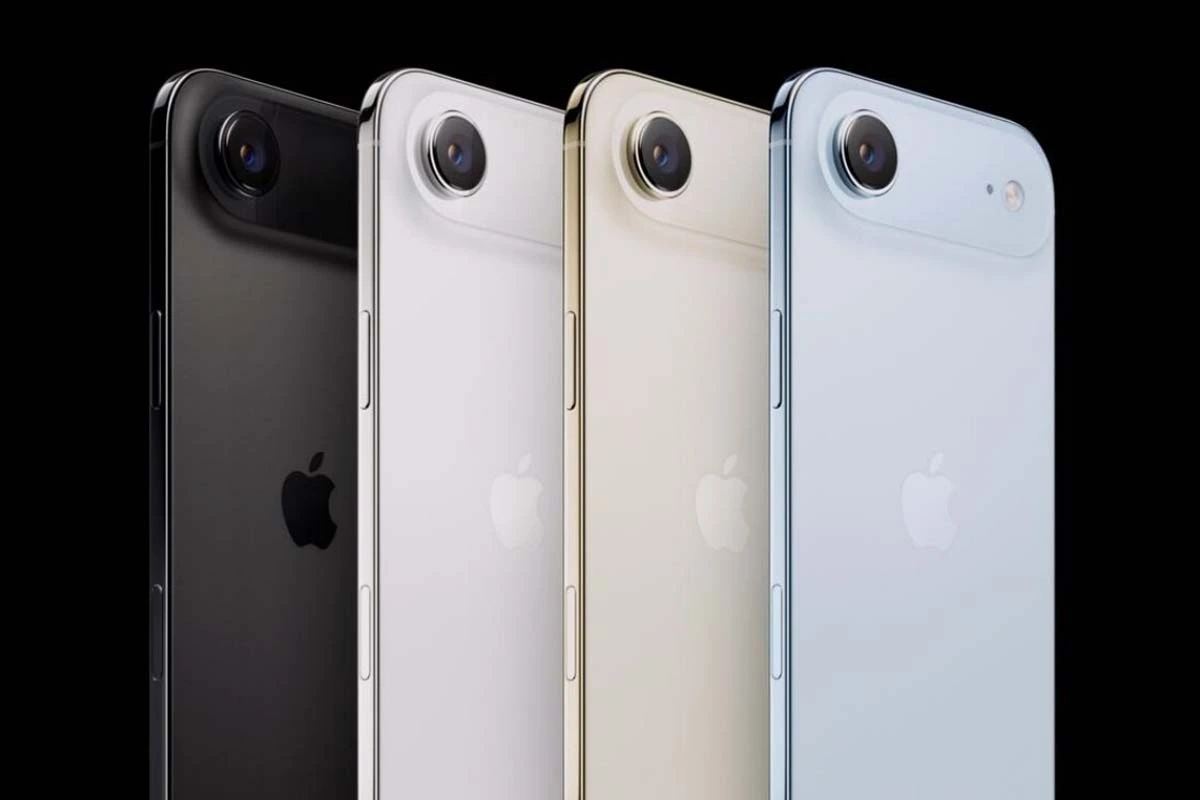
Apple is preparing to unveil its first foldable iPhone, one of its most important launches in recent years. The increase in component costs could make it a more expensive product.
This scenario could limit its reach among consumers, while investors remain attentive to the evolution of the margins and the company's projections.
Apple's valuation leaves little room for disappointments
Apple's shares closed this Tuesday near US$ 310, with an approximate increase of 1.5%. The rise occurred on a day when the Nasdaq fell 1.3%, pressured by companies linked to AI and semiconductors.