Australia and the Philippines already have a visitor forces agreement in place since 2012, which allows their respective military contingents to conduct training on each other's territory. The new provision seeks to expand that cooperation and establish more agile mechanisms to deepen joint activities.
The Philippine Secretary of Defense assured that the new agreement will improve cooperation between the two countries and strengthen the readiness of military forces.
Greater coordination in the face of China's military pressure
Australian Defense Minister Richard Marles stated that the new agreement will allow for expanded practical cooperation between the armed forces and will open new opportunities to work together for regional security.
In a statement released after the signing, Marles highlighted three priority areas for the implementation of the pact: strengthening maritime activities, information exchange, and defense infrastructure development.
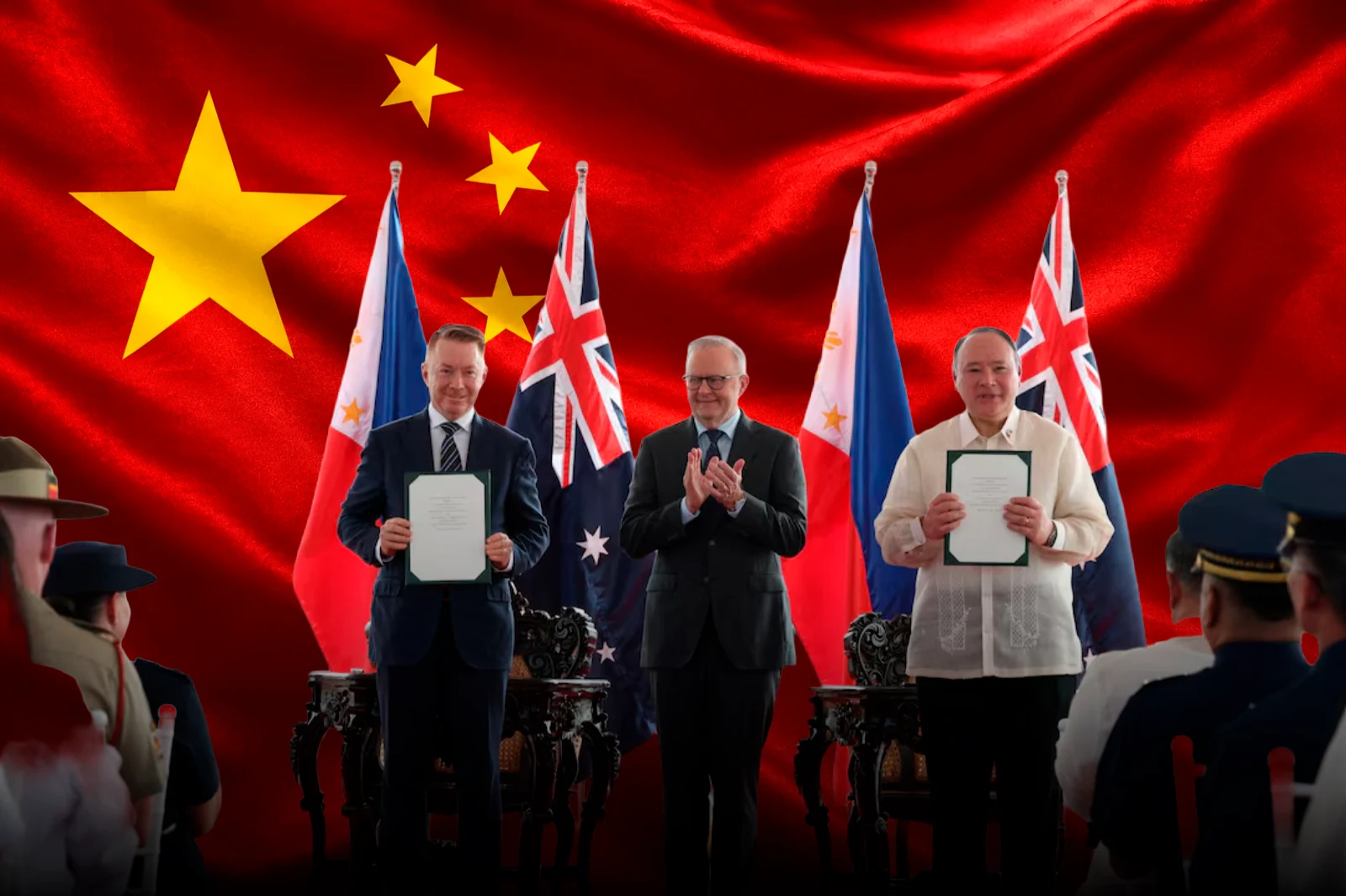
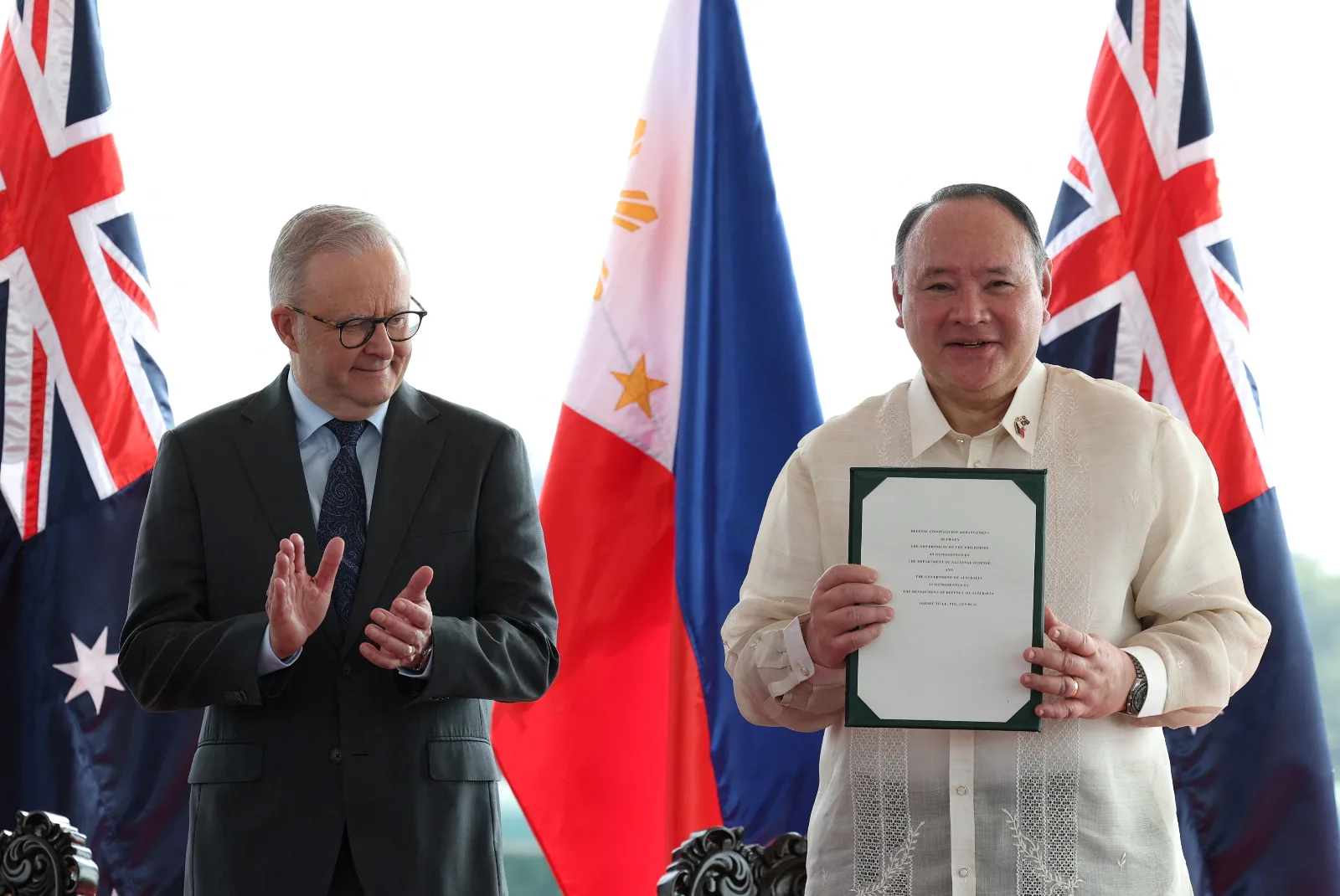
Australia and the Philippines signed a new defense agreement aimed at accelerating military cooperation and strengthening deterrence capability in a region marked by the growing military presence of China. The pact, signed in Manila during a leaders' meeting with the participation of Australian Prime Minister Anthony Albanese, updates a memorandum of understanding that has been in effect for decades and seeks to facilitate joint operations between the armed forces of both countries.
The agreement represents a new step in the strategic rapprochement between Canberra and Manila, which in recent years have intensified their military ties through joint maritime patrols in the South China Sea and land military exercises. The initiative also reflects the shared concern for regional security in light of territorial disputes and the increasing military capabilities of Beijing.
The Philippines, a U.S. ally in the Indo-Pacific, has been facing off against China for years over control of various areas in the South China Sea, a strategic maritime route for international trade and of great geopolitical importance. Beijing claims virtually all of these waters, despite an international ruling determining that its claims lack legal foundation.
Australia and the Philippines signed a new defense treaty to contain the Chinese regime's advance in the region
The new pact aims to improve coordination between the Australian and Philippine armed forces, reduce administrative obstacles to joint activities, and facilitate the exchange of military knowledge. It also seeks to strengthen both countries' ability to respond to potential threats and defend their respective interests in the region.
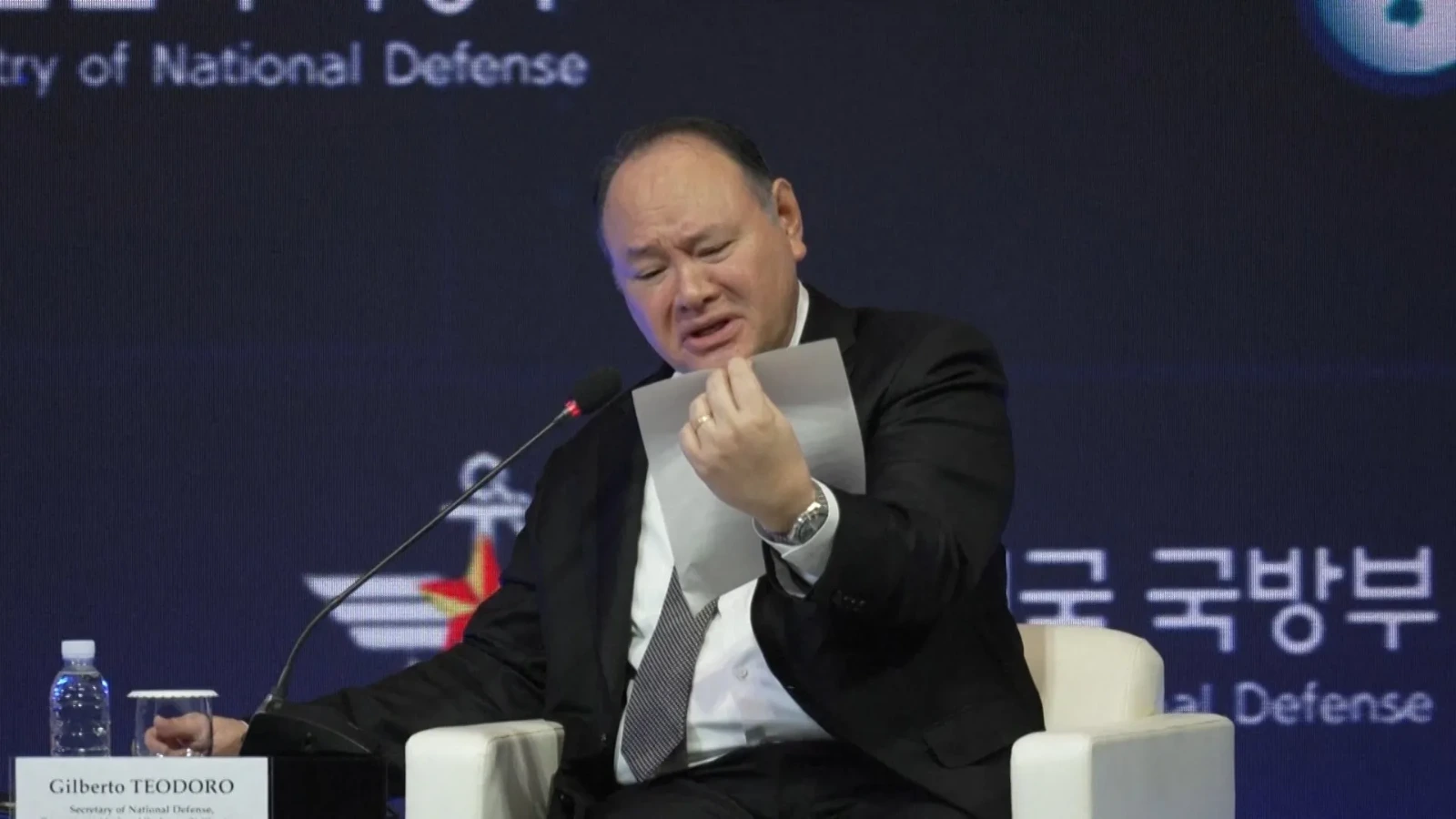
Philippine Defense Secretary Gilberto Teodoro emphasized that the update of the agreement will allow for faster cooperation procedures and improve military readiness.
''The agreement makes us faster and more agile. It simplifies the coordination process,'' Teodoro told reporters after the signing ceremony.
The official stated that the initiative will help strengthen the deterrent capacity of the Philippines in maritime areas where the country exercises jurisdiction, including some of the disputed areas of the South China Sea.
Teodoro also explained that the understanding will allow Philippine military personnel to become better acquainted with the equipment and weapon systems used by Australia. This will facilitate the preparation of joint exercises, reduce operational difficulties, and allow for greater compatibility between both forces.
These components aim to improve the surveillance and coordination capacity of both countries in a region where geopolitical tensions have increased due to China's territorial claims and its growing military activity.
The Australian minister had already expressed his concern about the situation during a summit of defense chiefs of the Association of Southeast Asian Nations (ASEAN) held in the Philippines last month.
The Australian government expressed concern about Beijing's expansionist ambitions
On that occasion, Marles warned that China's military expansion was creating a ''condition of pressure'' in Southeast Asia and urged allies and regional partners to deepen their cooperation mechanisms.
The signing of the agreement comes in a context of increasing military rapprochement among countries seeking to strengthen their defensive capabilities and maintain stability in the Indo-Pacific. For the Philippines, cooperation with Australia represents an additional backing in the face of maritime disputes with Beijing, while Canberra strengthens its ties with a strategic partner in one of the most sensitive regions for the balance of international security.
The understanding thus consolidates a military partnership that transcends traditional exercises and aims for closer coordination in surveillance, operational preparedness, and defense infrastructure.
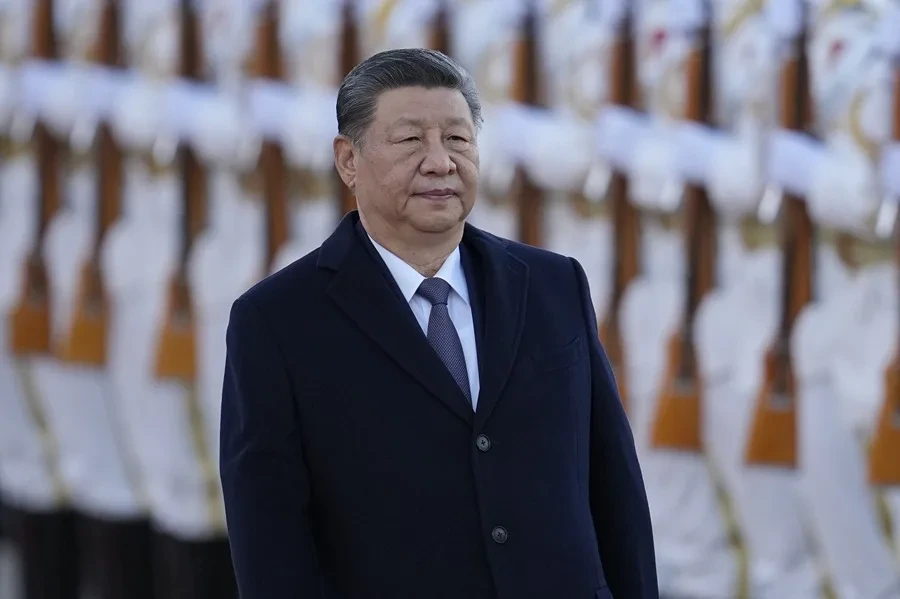
The Xi Jinping regime claims several territorial portions controlled by the Philippines