The Nicaraguan Parliament is promoting reforms that, under the argument of protecting sovereignty, could restrict electoral competition and exclude opponents
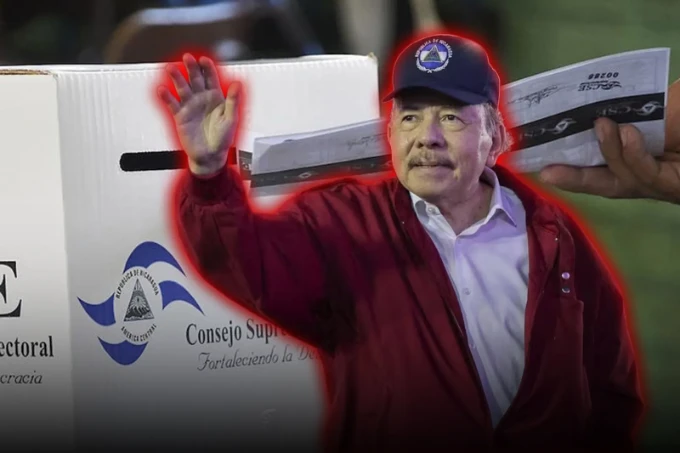
The regime of Daniel Ortega and Rosario Murillo opened a new phase of political uncertainty in Nicaragua after the dictator stated that in the country ''there will be no more elections'' to allow his opponents to come to power.
The statements, made during an event for the anniversary of the Sandinista Revolution, provoked a strong international reaction and forced the government to clarify the scope of the president's words, while Parliament announced that it will promote constitutional and legal reforms to establish new conditions for future electoral processes.
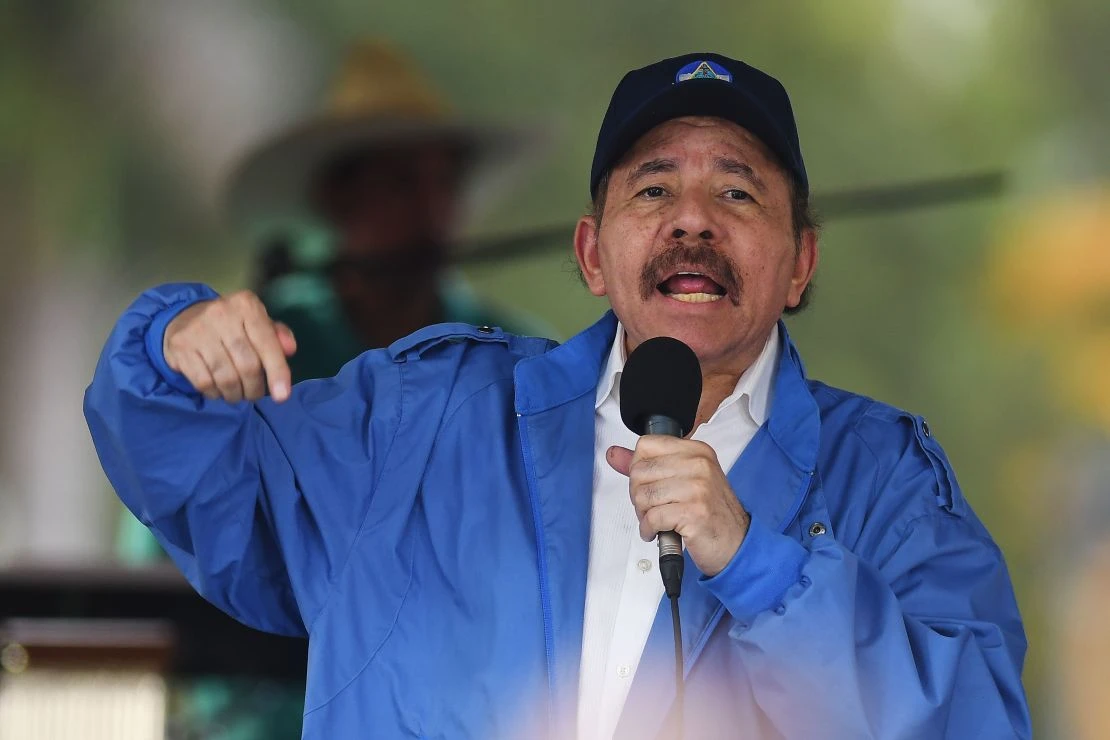
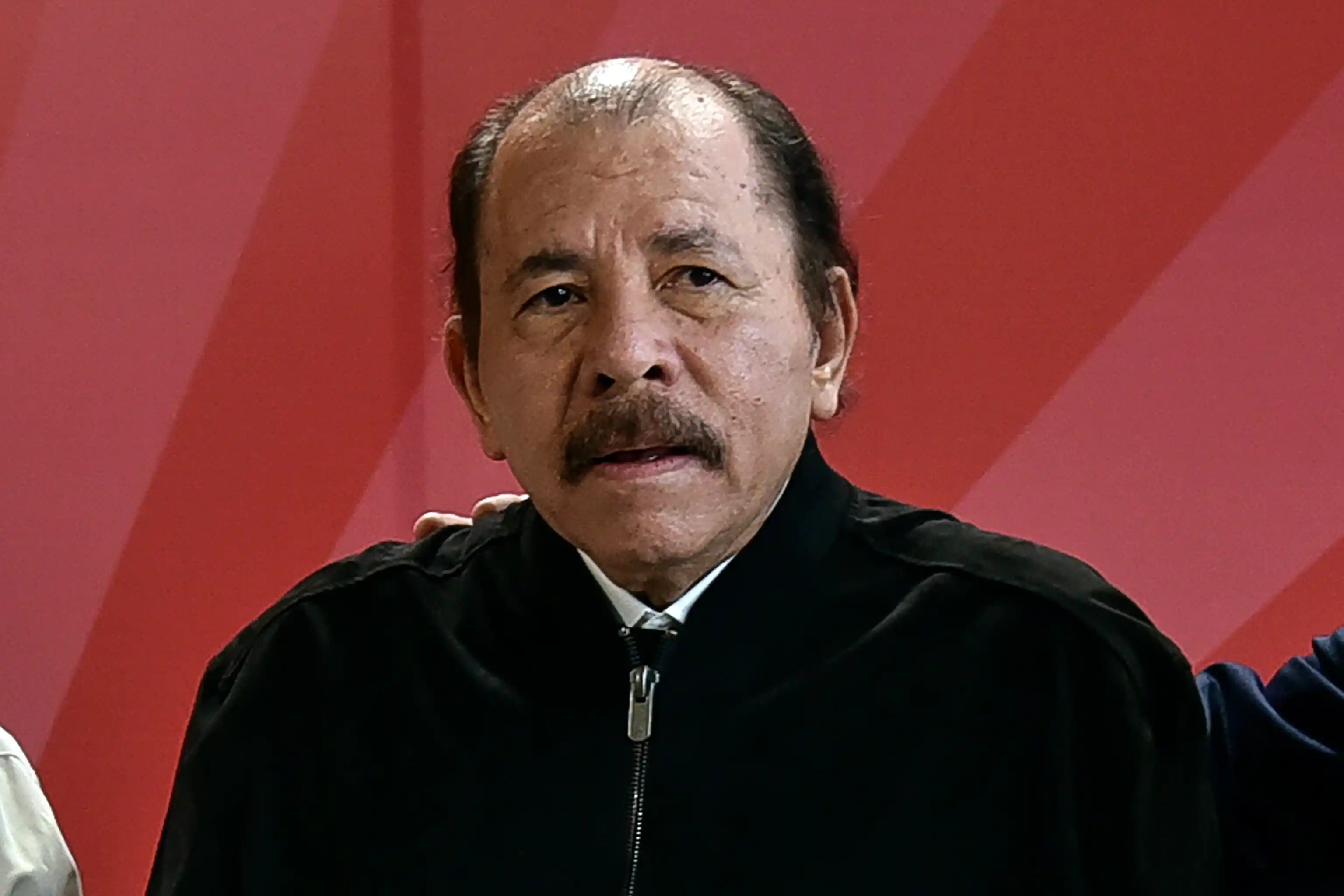
Ortega, who has kept Nicaragua under his yoke since 2007 and currently shares power with his wife, co-dictator Rosario Murillo, delivered a harsh speech against the opposition and against the United States on Sunday. In his address, he asserted that the possibility of political parties backed by Washington returning to government is over and emphasized that this will not happen again under his administration.
''The story is over that the parties put in place by the 'Yankees', by the 'Somocistas', will return to government. Never, never, never,'' Ortega stated, in a declaration that was interpreted as a direct threat against the possibility of political alternation through competitive elections.
The communist dictator Daniel Ortega is preparing a plan to definitively cancel the elections in Nicaragua
The president also maintained that the opposition will not be able to use electoral processes to try to ''capture the government'' or ''capture power'', referring to his political adversaries, whom the regime accuses of acting under foreign influence. His words generated concern among opposition sectors and democracy advocacy organizations, which believe that the Nicaraguan government has progressively eliminated the necessary conditions to hold free elections.
Ortega's statement came in a context where the Nicaraguan political system is strongly controlled by the government. In the 2021 elections, several of the main opposition candidates were detained before the elections, while Ortega obtained a new mandate in a process widely questioned by the United States and other Western governments.
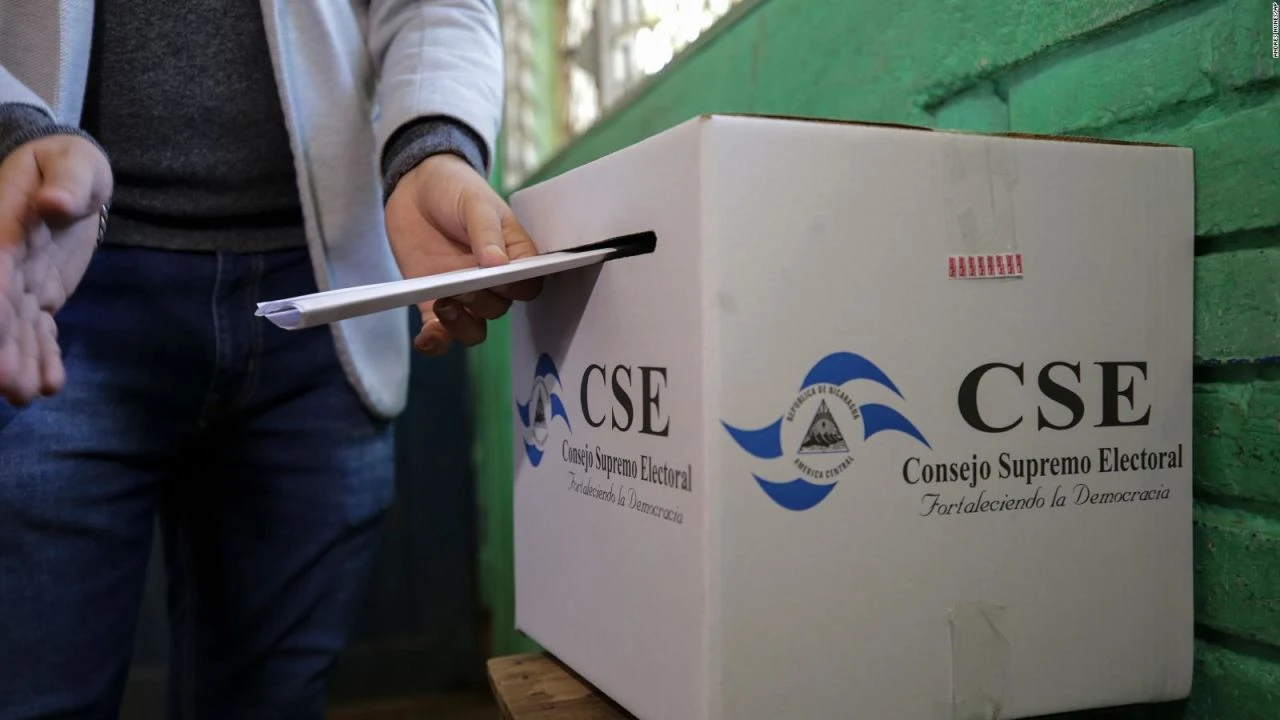
Now, the next presidential elections were scheduled for November 2027. However, the president's statements seemed to cast doubt on the continuity of the electoral calendar and the possibility for citizens to choose among different political alternatives.
The upcoming elections in the Central American country were scheduled for November 2027
In response to the repercussions of Ortega's words, the president of the National Assembly, the Sandinista Gustavo Porras, came out this Wednesday to clarify the message and assured that there will be elections in Nicaragua. According to the head of Parliament, the president did not mean that the country will completely abandon electoral processes, but that he will not allow them to be under the influence of the United States or other foreign powers.
Porras explained that the government intends to modify the Constitution and other laws to establish a new electoral framework that, according to his words, prevents foreign interference and excludes from political contests those whom the regime considers ''coup plotters'' or ''traitors to the homeland''.
''The important thing is that we establish in constitutional terms that in this country we cannot accept elections where coup plotters, traitors to the homeland, where parties and organizations financed with foreign money, with foreign powers, by foreign organizations participate,'' he declared.
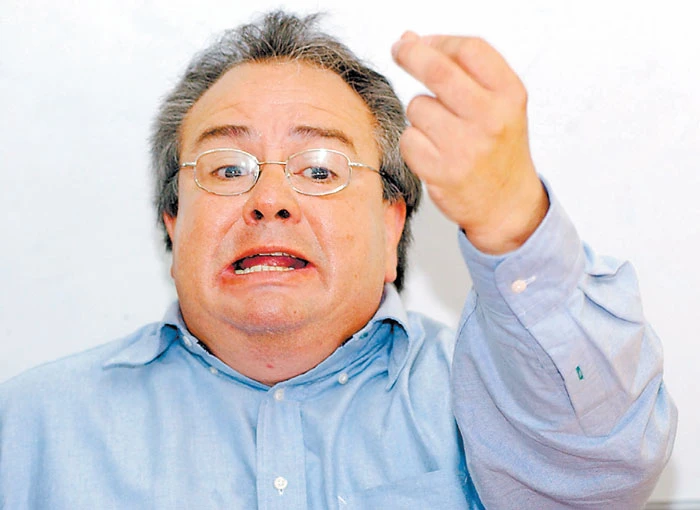
Sandinista deputy Gustavo Porras contradicted what Ortega stated and pointed out that there will indeed be elections in Nicaragua
The Parliament's proposal to suspend elections
Parliament announced a work plan to reform the Constitution and other regulations after Ortega's speech. Porras stated that future elections will be organized and determined by the Nicaraguans themselves and rejected any participation of ambassadors or foreign representatives in the organization of the elections.
''Here we will never again be slaves to anyone, to any foreign power, and we will never again have a Yankee, an imperialist directing the elections of our country,'' he affirmed.
The government plans to present the reform project after conducting consultations and expects to have the initiative ready during the first week of August, with the aim of approving it in the first of two legislative sessions.
The communist Ortega is known for his extensive power to pursue and silence opponents since his rise to power
The reaction from the United States
The opposition's concern centers on the fact that the new rules could be used to further restrict political competition. The Ortega and Murillo government has already declared ''traitors to the homeland'' to hundreds of Nicaraguans and has stripped 452 people of their nationality, including recognized writers, religious figures, and opposition leaders.
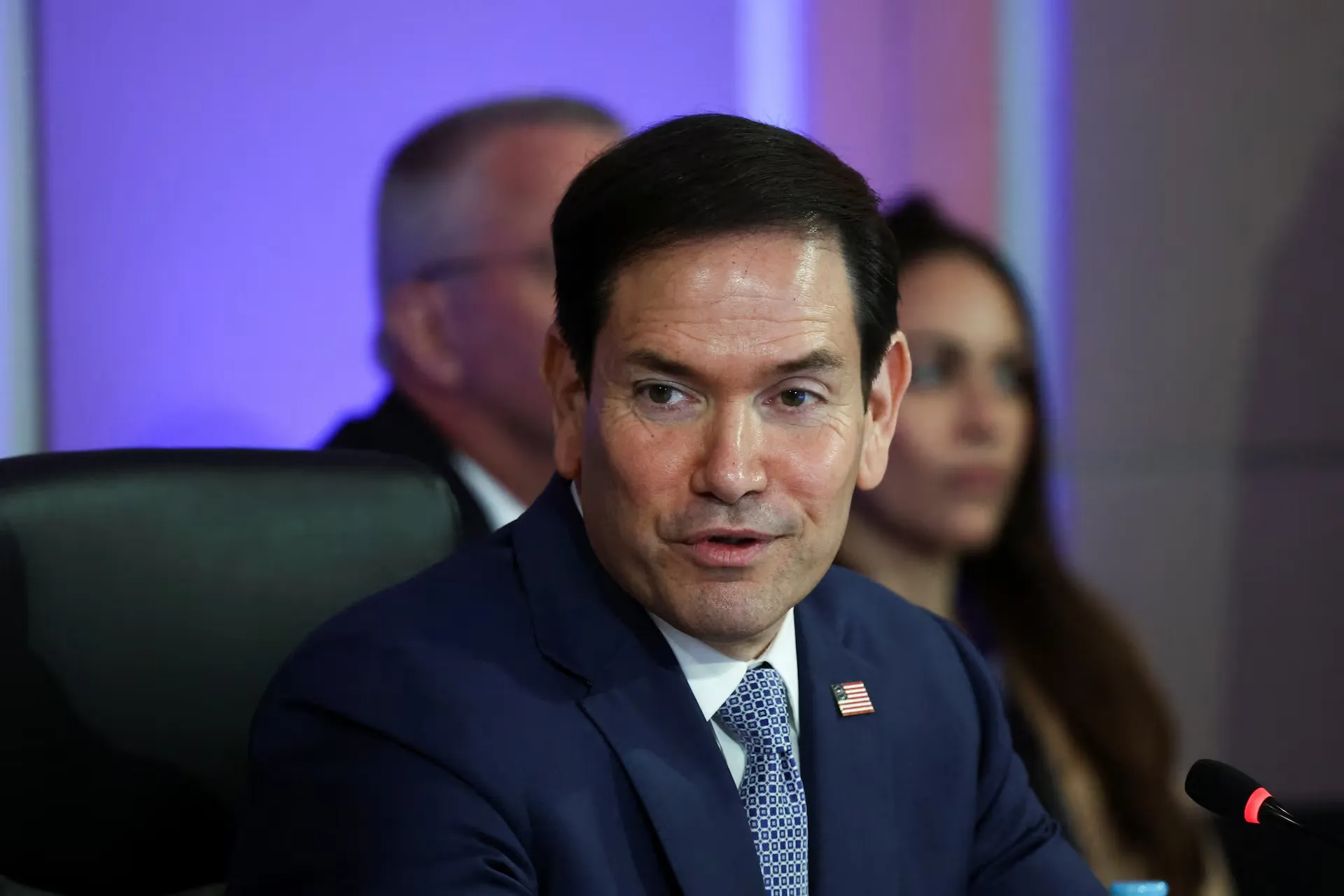
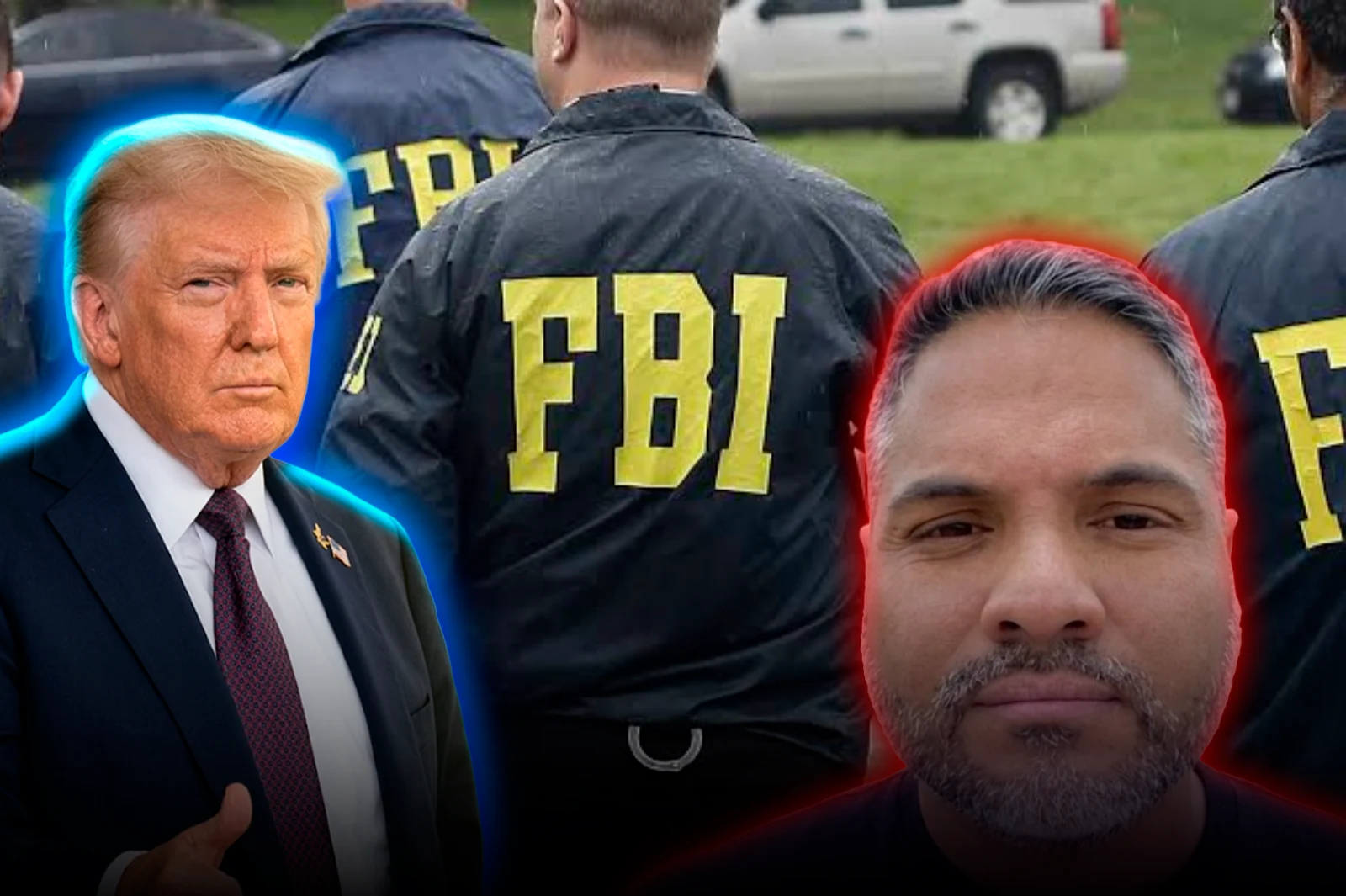
The reaction from the United States was swift. Secretary of State Marco Rubio condemned Ortega's statements and warned that the administration of President Donald Trump and the international community will not remain passive in the face of the advance of authoritarianism in Nicaragua.
''The Trump administration and the international community will not sit idly by while the Murillo-Ortega dictatorship deepens repression in the country and manufactures instability that threatens the national security of the United States,'' Rubio stated.
The Secretary of State also asserted that the announcement by the Nicaraguan president exposes the ''true authoritarian nature'' of the regime and described his decision to abandon the electoral path as a sign of cowardice and fear in the face of popular will.
The State Department also called on the international community to coordinate efforts to pressure the Managua regime. Washington warned that Ortega and Murillo cannot expect to maintain normal relations with other countries while, according to the United States, undermining the democratic principles of the hemisphere.
The U.S. reaction could anticipate a hardening of Washington's policy toward Nicaragua. In April, the Office of Foreign Assets Control of the Treasury Department had already sanctioned five individuals and seven companies linked to the gold sector, including two sons of Ortega and Murillo. U.S. authorities accused these entities of helping to generate income to sustain the regime's political control.
Secretary of State Marco Rubio warned that the U.S. Republican administration will not stand idly by in the face of this assault on democracy
Many analysts believe that Ortega's new statements could accelerate the shift from individual sanctions to broader economic measures. Possible options include new sanctions against family members and officials, restrictions on exporting companies and banks, increased controls over logistics operators, and visa limitations.
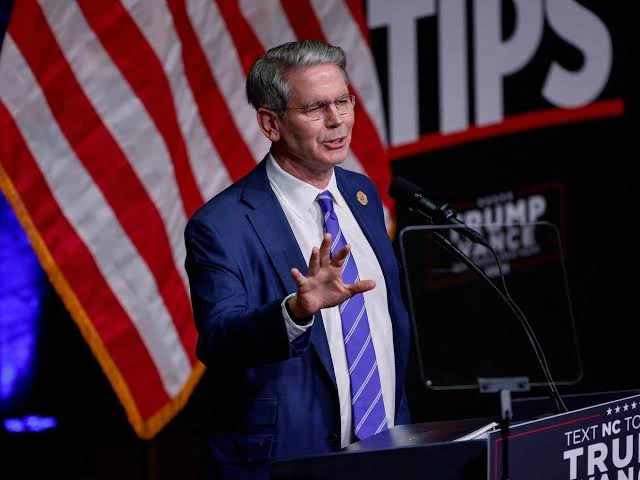
The gold sector appears to be one of the main pressure points, due to its importance for Nicaragua's exports and foreign currency generation. Treasury Secretary Scott Bessent had already warned that the regime was using gold companies and their allies to strengthen its financial resources.
Washington's pressure could also extend to foreign financial institutions that facilitate significant transactions with sanctioned individuals or entities. At the same time, the United States could seek greater coordination with Latin American governments to confront internal repression and accusations of transnational persecution against opponents.
The U.S. Treasury Secretary warned in the past about the use of the gold sector by the Central American dictatorship to finance its activities