According to data released by Cornejo, since its implementation, 107 alerts have been recorded and 23 individuals with arrest warrants have been detected.
One of the points emphasized by the provincial leader is that, according to the official records released, no false positives occurred during this period.
“Mendoza is the first province in the country to comprehensively regulate the use of facial recognition within the Provincial Video Surveillance System,” Cornejo stated on his X account.
The governor also stressed that the new regulations establish a framework with controls, human validation, due process, and privacy protection.
More technology to combat crime
Cornejo defended the incorporation of technological tools as part of Mendoza's security strategy and stated that facial recognition expands the capacity of forces to detect individuals linked to criminal acts.
As he explained, the system “allows for the identification of more individuals linked to crimes and, therefore, generates the conditions for them to be prosecuted more quickly”.
The regulation to be published in the Official Bulletin will seek to establish the conditions under which the technology can be used within the provincial video surveillance system.
The goal will be to combine the use of technological intelligence for crime prevention and prosecution with control mechanisms that determine how alerts are generated, how they should be verified by operators, and what procedures must be followed before proceeding with an intervention.
In this way, Mendoza aims to deepen the use of technological tools in security matters, with a system that has already allowed for the detection of individuals sought by the Justice system and will now have a specific regulatory framework for its operation.
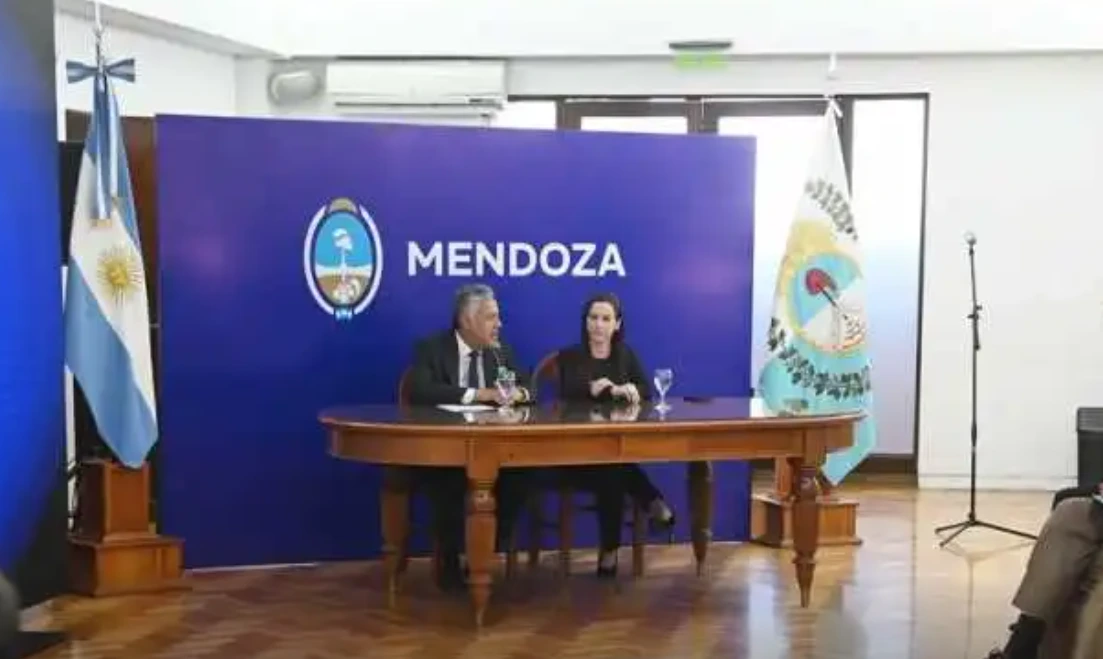
The governor of Mendoza, Alfredo Cornejo, announced that this Thursday the decree regulating the operation of facial recognition cameras within the provincial video surveillance system will be published in the Official Bulletin.
The measure aims to consolidate a technological tool that the province began using in May and that, according to the first results released by the Mendoza government, has already allowed the identification of 23 individuals with outstanding arrest warrants.
Cornejo emphasized that Mendoza will become the first Argentine province to have comprehensive regulations for the use of this technology applied to security.
Facial recognition: how the system works in Mendoza
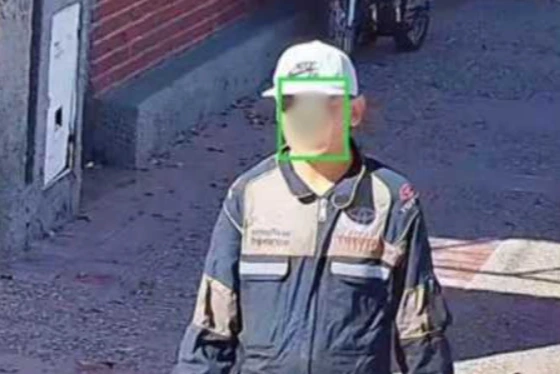
The mechanism is used by the Strategic Operations Center (CEO) of the Ministry of Security, which incorporates facial recognition technology into the video surveillance cameras installed at various points throughout the province.
The system generates alerts when it identifies a person matching the records of individuals with active arrest warrants.
One of the cases that demonstrated its usefulness occurred since the system became operational. The CEO detected a suspect wanted for a gender-based violence case through facial recognition.
Facial recognition: how the system works in Mendoza
Following the identification, operators conducted real-time monitoring that allowed them to locate the individual and carry out the arrest.
Cornejo highlighted the results: 23 arrests and no false positives
The governor highlighted the results obtained during the first months of the tool's operation and stated that the system improved the capacity to identify individuals sought by the Justice system.