The Country Risk of Argentina fell to 415 basis points, reaching its lowest level since April 2018 and the minimum recorded since the assumption of Javier Milei.
The decline occurs in a context of improvement in sovereign bond prices and renewed market confidence in the country's payment capacity.
The indicator prepared by JP Morgan thus accumulates its fourth consecutive decline, consolidating a downward trend in recent days. This setback is mainly explained by the rise in public debt securities, which at the beginning of the session showed gains of up to 1%, driving the compression of the index.
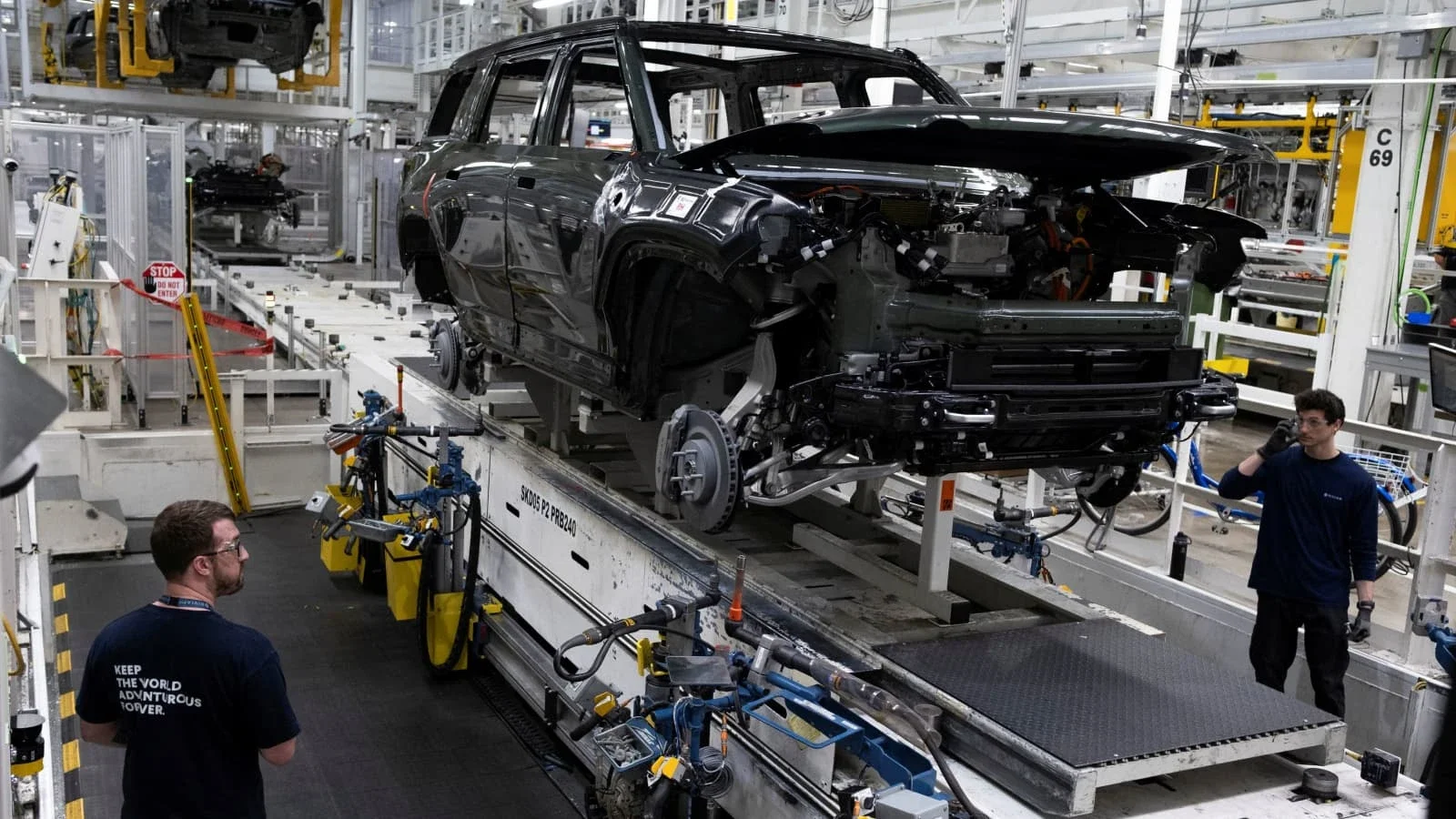
One of the American industries most affected by the agreement was the automotive industry, which has moved many operations to Mexico
The improvement in Argentine assets comes just days before a key maturity: the payment of approximately USD 4.3 billion to private creditors. The Ministry of Economy assured that they have the necessary funds to meet this commitment, which helped strengthen market expectations.
In parallel, Milei's government advanced a series of measures aimed at ensuring financial sustainability in the short and medium term.
The portfolio headed by Luis "Toto" Caputo authorized an issuance of USD 5 billion and finalized financing agreements backed by international organizations such as the Inter-American Development Bank (IDB) and the World Bank.
These moves were interpreted by investors as signals of predictability and compliance capacity, which led to increased demand for Argentine bonds. Consequently, the rise of these instruments directly contributed to the decrease in country risk.
The U.S. president had already warned about making this decision in the past
From the ruling party, spokesperson Adrián Ravier highlighted the economic strategy by stating that the Ministry of Economy is “shielding” Argentina to avoid potential financial turbulence in the future, especially within the framework of the electoral cycle scheduled for 2027.
The positive impact was also reflected in the stock market. Shares of Argentine companies listed on Wall Street recorded increases, with Globant leading the advances with a 3.5% rise. Locally, the Merval index showed an improvement of 0.6%, while some stocks reached increases of up to 2.6%, as in the case of Loma Negra.
The drop in country risk to these levels reflects an improvement in investors' perception of macroeconomic stability and the country's ability to meet its financial commitments.