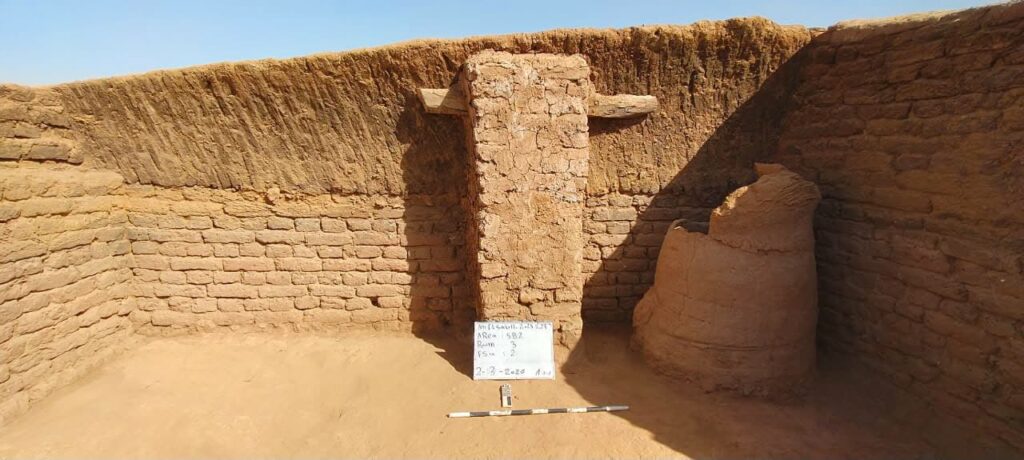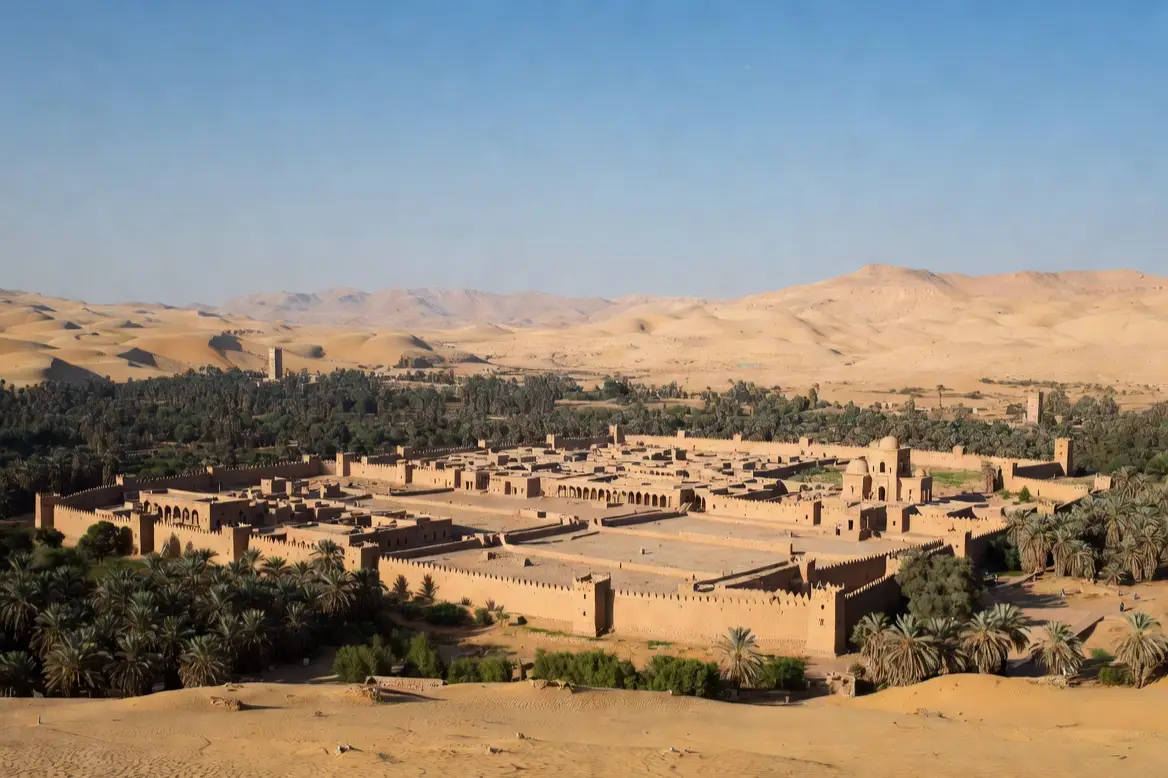

In the heart of the Western Desert of Egypt, at the site of Ain El-Sabil within the Dakhla oasis, a team of archaeologists discovered the remnants of an ancient fortified city dating back to the 4th century AD. This city, belonging to the Byzantine period, surprises with its advanced urban planning and the numerous objects that reveal details of the daily life of its inhabitants.
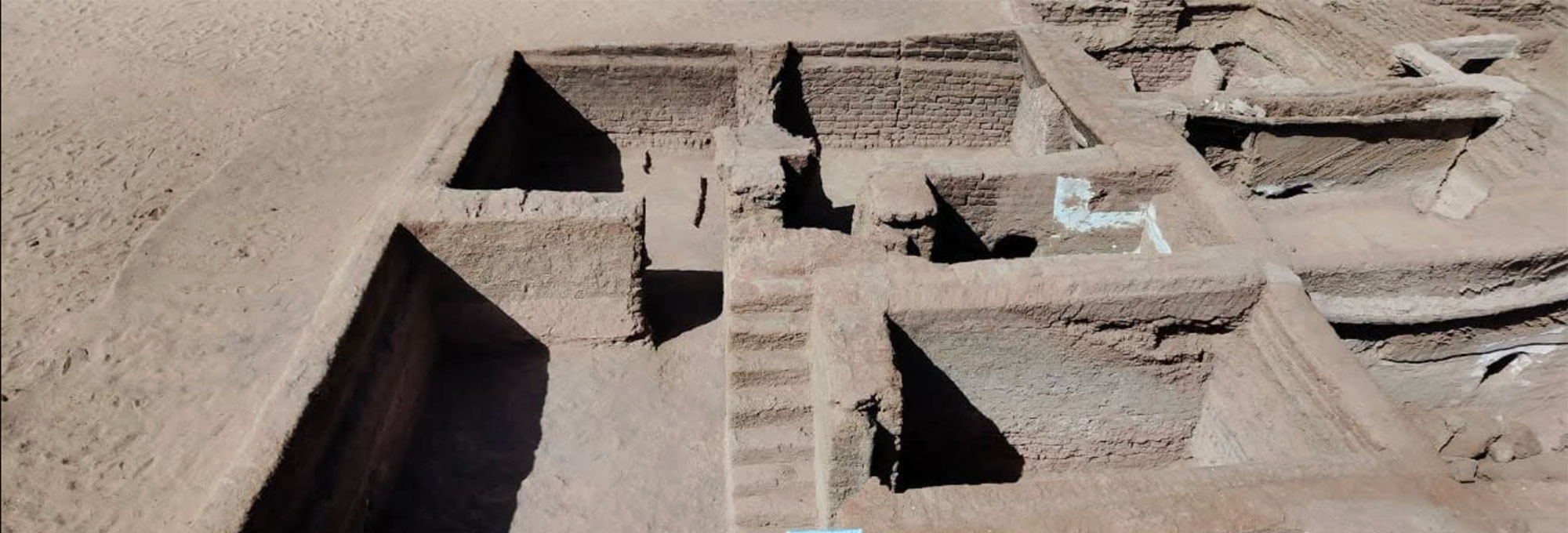
The city was organized according to a grid layout that created open squares and public spaces arranged around a central basilica. This design reflects a clear and well-thought-out community organization for the time. Additionally, traces of two watchtowers were identified on the outskirts, indicating that the site had defensive measures.
The houses, built with mud bricks, had spacious reception areas and vaulted ceilings. Among the findings are ceramics, jars for oils and perfumes, oil lamps, and stone tools for grinding grains. These objects paint a picture of a community dedicated to both daily activities and trade.
One of the most interesting discoveries is the identification of specific residences. One belonged to Tisous, a deacon of the church who lived in the second half of the 4th century. Another, dated to the early decades of that century, is attributed to Tabibos and is believed to have functioned as a church before the construction of the main basilica.
Artifacts that Speak of the Past
Among the recovered pieces, a collection of nearly 200 inscribed ostraca stands out. These ceramic fragments were used as writing material and contain texts in Coptic and Greek. They served to record commercial transactions and correspondence, offering a direct window into the administrative and social life of the time.
Gold coins corresponding to the reign of Emperor Constantius II, who ruled between 337 and 361 AD, were also found. These findings help to refine the chronology of the site and confirm its connection to the Byzantine world.