
Elon Musk announced a new fully autonomous Tesla designed for large families

Elon Musk announced a new fully autonomous Tesla designed for large families

The future vehicle is designed for six or seven passengers and would operate within Tesla's autonomous ecosystem. For now, there is no confirmed date, price, or markets

Share:

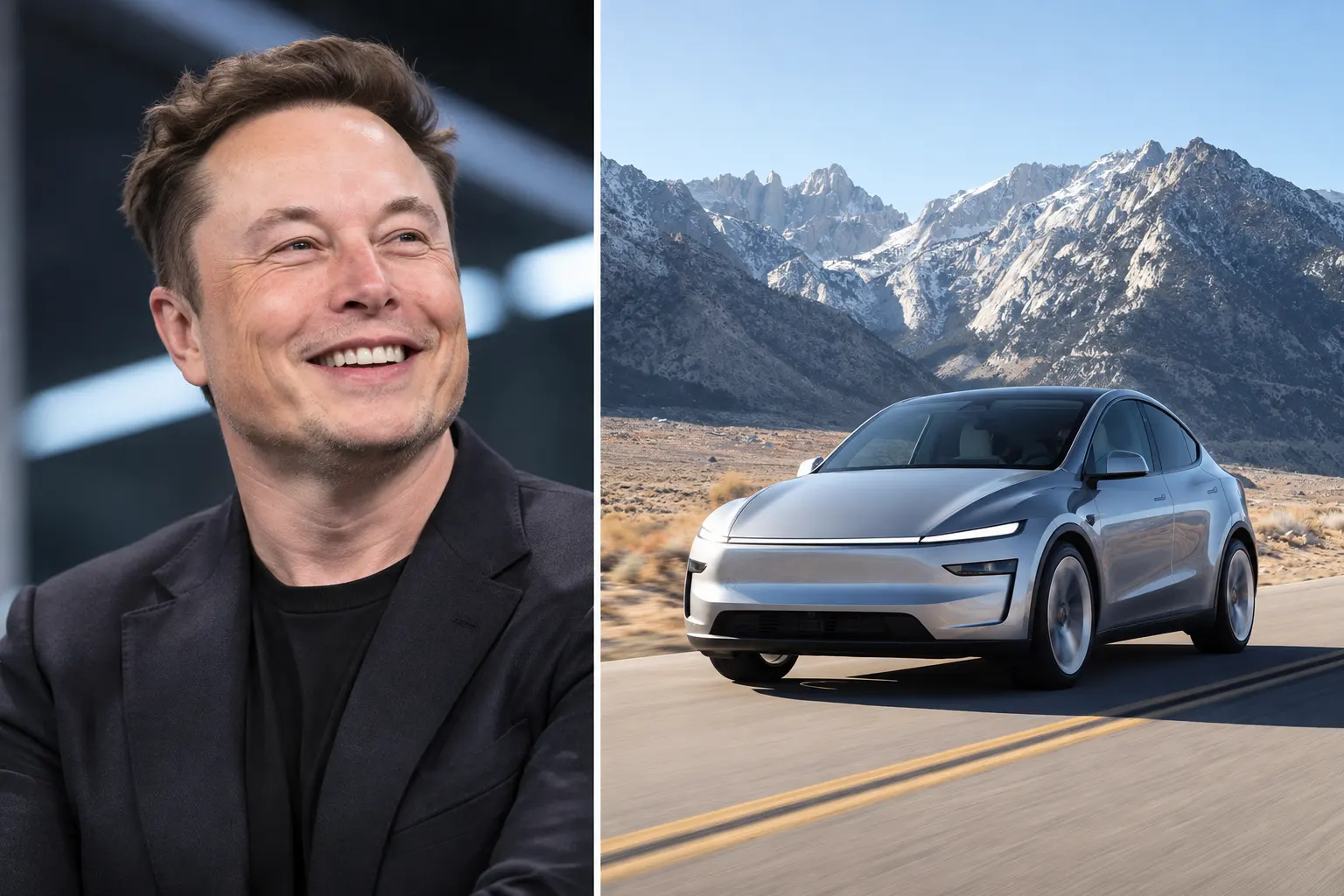
Tesla plans to develop a fully autonomous version of the Model Y that will do away with the steering wheel and pedals and will be designed to transport groups of six or seven people. The project was revealed by Elon Musk during his participation in the 2026 DealBook Summit of The New York Times.

The proposal aims to address a need that the Cybercab, designed exclusively for two passengers, cannot fulfill: transporting entire families or large groups within Tesla's future autonomous mobility ecosystem.

The autonomous Model Y will be designed for families

Musk explained that Tesla will continue to manufacture vehicles with different capacities, even as it advances its robotaxi strategy.

The entrepreneur stated that the Cybercab can meet most of the demand because, according to his calculations, the average occupancy of a car is approximately 1.2 people.

David Ellison celebrates Elon Musk's arrival at Skydance as a shareholder

“We still need autonomous vehicles if you have four or six people, or a whole family,” he noted.

He then confirmed the new project: “What we plan to do is have an autonomous version of the Model Y that would not have a steering wheel or pedals and would serve to transport groups of six or seven people”.

This statement represents, for now, a plan from Tesla and not the formal announcement of a product ready for production.

Tesla already has a six-passenger Model Y

The project could leverage some features of the Model Y L, an elongated version of the SUV that incorporates three rows of seats and space for six people.

The vehicle was originally launched in China in 2025 and later arrived in the United States, where it is currently marketed for about USD 61,990. Tesla also offers seven-seat configurations in other versions of the Model Y.

During the interview, Musk highlighted the interest generated by the Model Y L and suggested that, over time, Tesla could concentrate a larger portion of the SUV's production on that configuration.

However, he did not confirm that the future autonomous model will use exactly the platform of the Model Y L.

No steering wheel or pedals, but still no date

One of the main differences compared to the Model Y currently used as robotaxis will be the removal of traditional controls.
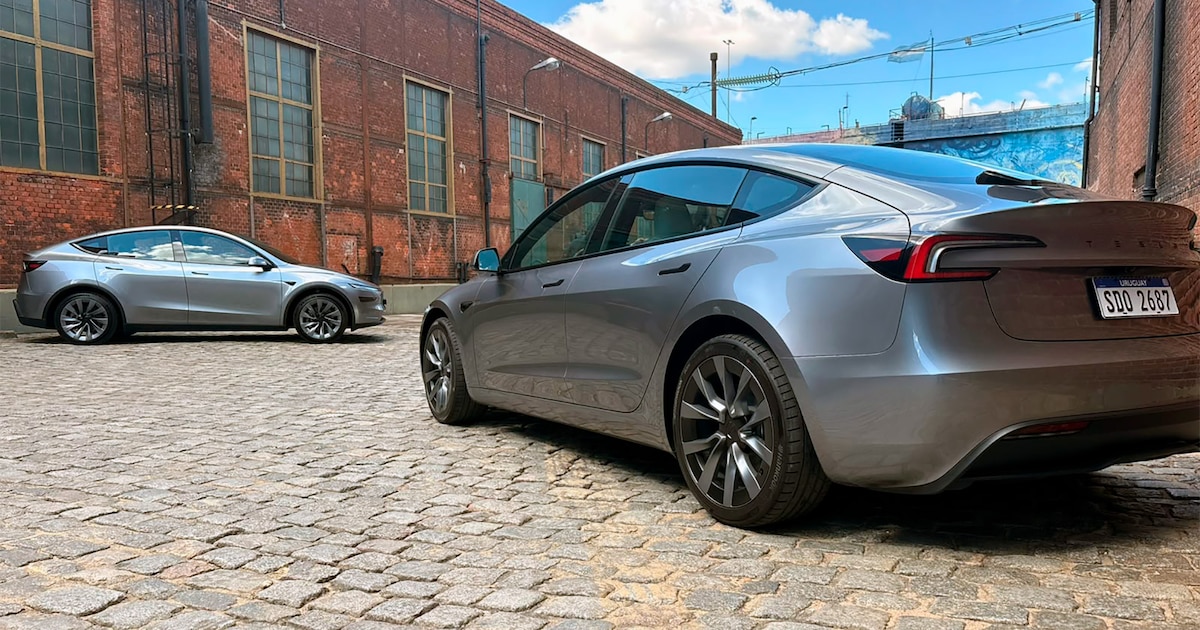
The Model Y units that are currently part of the Robotaxi fleet retain the steering wheel and pedals, although they can operate autonomously within certain areas.

The future variant described by Musk would be designed from the ground up to function without direct human intervention.

Tesla did not disclose when production will begin, how much it will cost, where it will be manufactured, or in which cities it will operate. It also did not clarify whether it will be available for private purchase or reserved solely for its autonomous transport platform.

Elon Musk announced a new fully autonomous Tesla designed for large families

The Cybercab has already started reaching private buyers

While developing larger capacity vehicles, Tesla is moving forward with the commercialization of the Cybercab.

The company has begun inviting select customers to purchase the autonomous vehicle for USD 29,990, with initial deliveries expected in December 2026 in Austin.

To use it, owners will also need to subscribe to an autonomy plan costing USD 299 per month, and the vehicle will only be able to operate in areas where Tesla enables its Robotaxi system.

The company also reported that its Robotaxi service is already operational 24/7 in the eight U.S. cities where it is available.

The next challenge for Tesla

The complete removal of the steering wheel and pedals presents additional challenges regarding regulation, safety, and public acceptance.

Unlike traditional assistance systems, a vehicle of this nature relies entirely on the software's ability to manage driving within its authorized area.

Tesla aims to cover two extremes of its autonomous strategy: the Cybercab for one or two passengers and a higher-capacity Model Y for families and groups.

However, Musk did not set any timeline for turning that idea into a commercial product. The project remains, for now, one of the next steps announced within Tesla's commitment to gradually replace manual driving with fully autonomous vehicles.