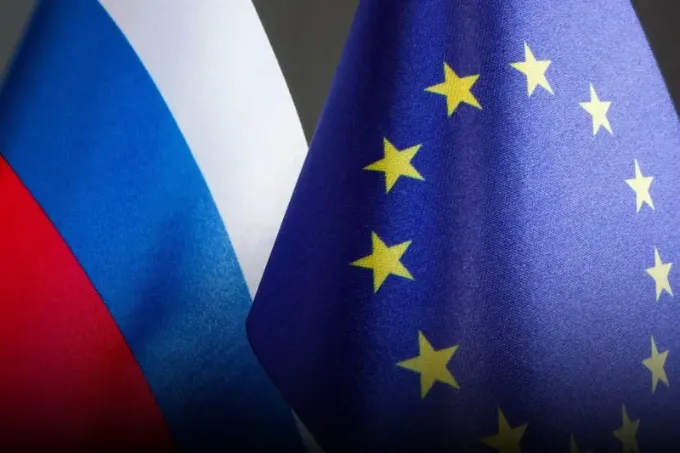
Member countries approved the twenty-first package of restrictive measures against Moscow, with new financial, energy, and trade sanctions aimed at limiting Russia's ability to sustain the conflict
The European Union reached an agreement to implement a new package of sanctions against Russia aimed at increasing economic pressure on Vladimir Putin's government for the invasion of Ukraine. This is the twenty-first set of measures adopted by Brussels since the beginning of the war, aimed at reducing the resources Moscow uses to sustain its military operations.
The new package includes restrictions against entities, companies, and individuals linked to sectors considered strategic for the Russian economy. Among the measures are sanctions targeting banks, companies related to cryptocurrencies, and vessels used to evade international restrictions, known as part of the so-called Russian "shadow fleet."
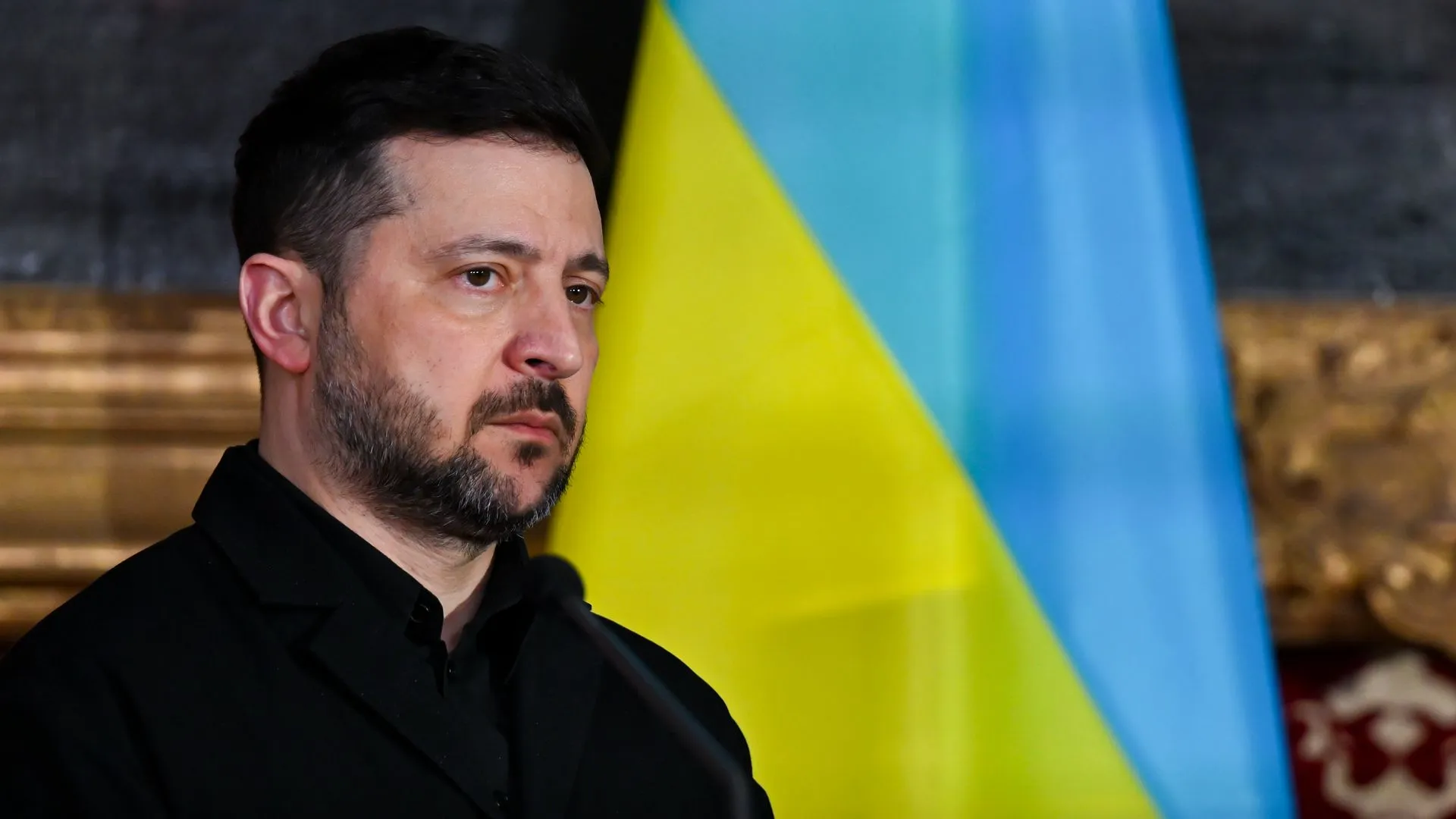
Ukrainian President Volodymyr Zelensky
Additionally, the European Union agreed to maintain the cap on Russian oil prices, a measure aimed at reducing Moscow's energy revenues without causing a significant impact on international markets. The decision was part of internal negotiations among member states to reach a consensus on the new sanctions package.
The final agreement came after intense negotiations among European governments, as some countries raised objections regarding the economic impact that certain measures could have on their industries. Greece, in particular, requested exceptions related to the maritime transport of Russian liquefied natural gas, which led to modifications in some points of the initial proposal.
Brussels maintains that the sanctions aim to weaken Russia's financial and military capacity, forcing the Kremlin to face higher costs for the continuation of the war. The European Union believes that economic pressure must accompany the political and military support provided to Ukraine since the beginning of the conflict.
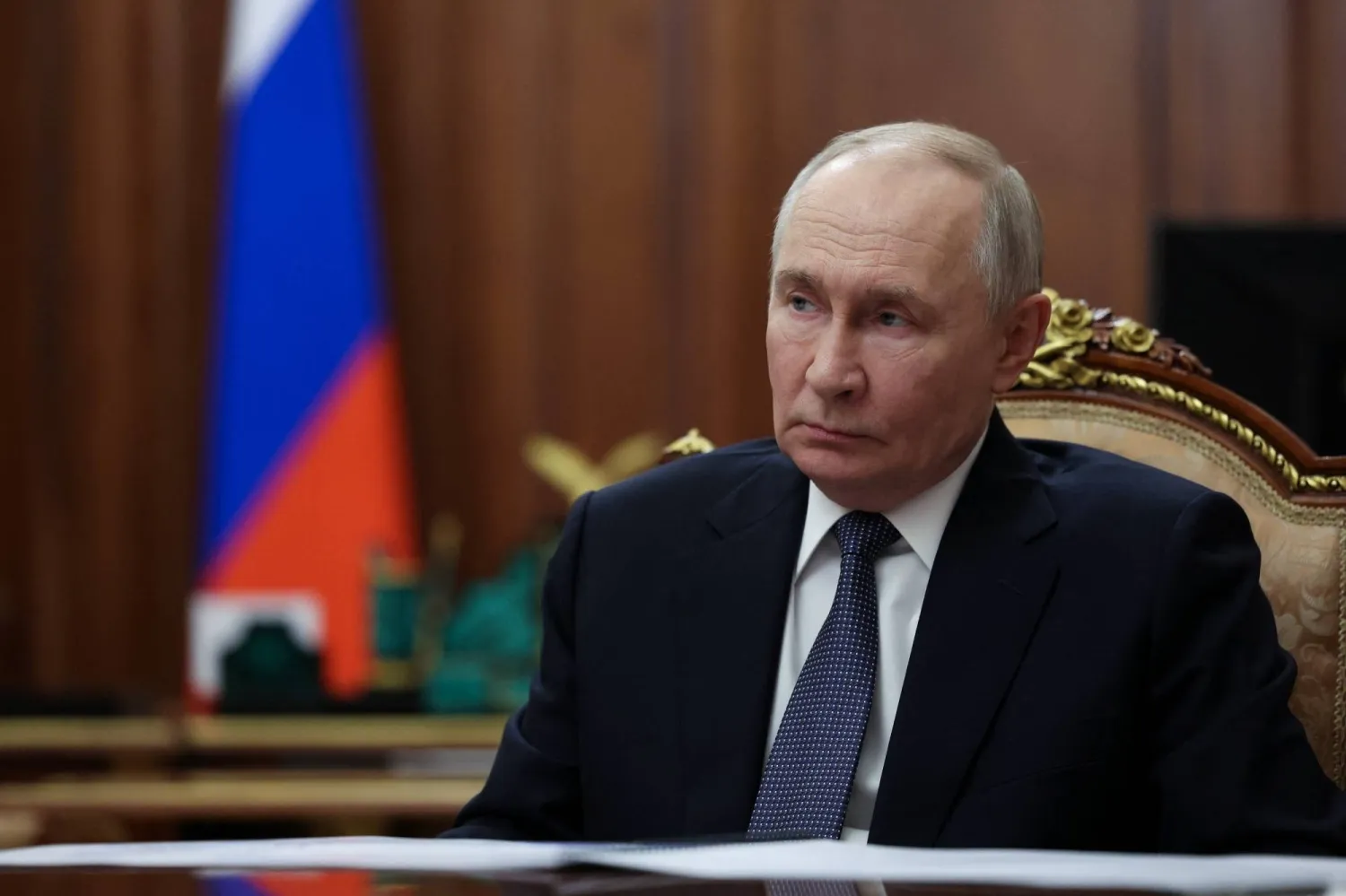
The Russian leader Vladimir Putin
For its part, Moscow has repeatedly rejected Western sanctions and claims that these measures have not succeeded in isolating its economy. The Russian government asserts that it has developed mechanisms to adapt to the restrictions while deepening its trade relations with other international partners.
With this new package, the European Union reaffirms its strategy of maintaining pressure on Russia while the war in Ukraine continues. However, the internal negotiations also highlighted the differences among European countries regarding how far the restrictions should go without affecting their own economic and energy interests.