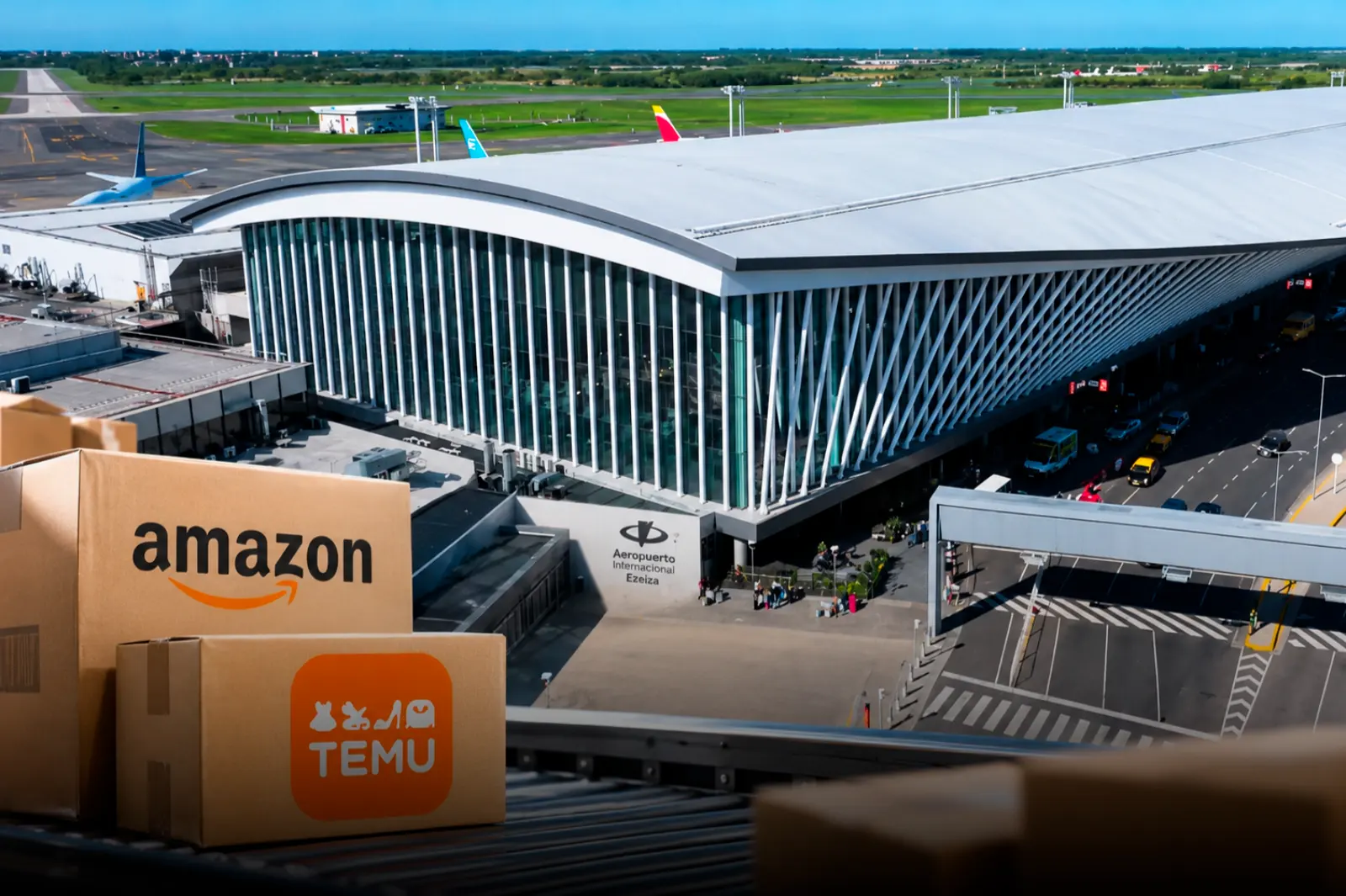
The Ezeiza International Airport is preparing to inaugurate a new terminal exclusively for processing packages from abroad, amid the strong growth of international purchases driven by the trade opening and the easing of import restrictions promoted by the government of President Javier Milei, which allowed for an expansion of available options for Argentine consumers and reduced prices.
Between January and September 2026, purchases made through the courier system reached USD 960 million, a year-on-year increase of 59.5%, according to data from the National Institute of Statistics and Censuses (INDEC). The figure already far exceeds the USD 660 million recorded throughout 2025 and, according to estimates from the consulting firm Analytica, could surpass USD 1.250 million by the end of the year.
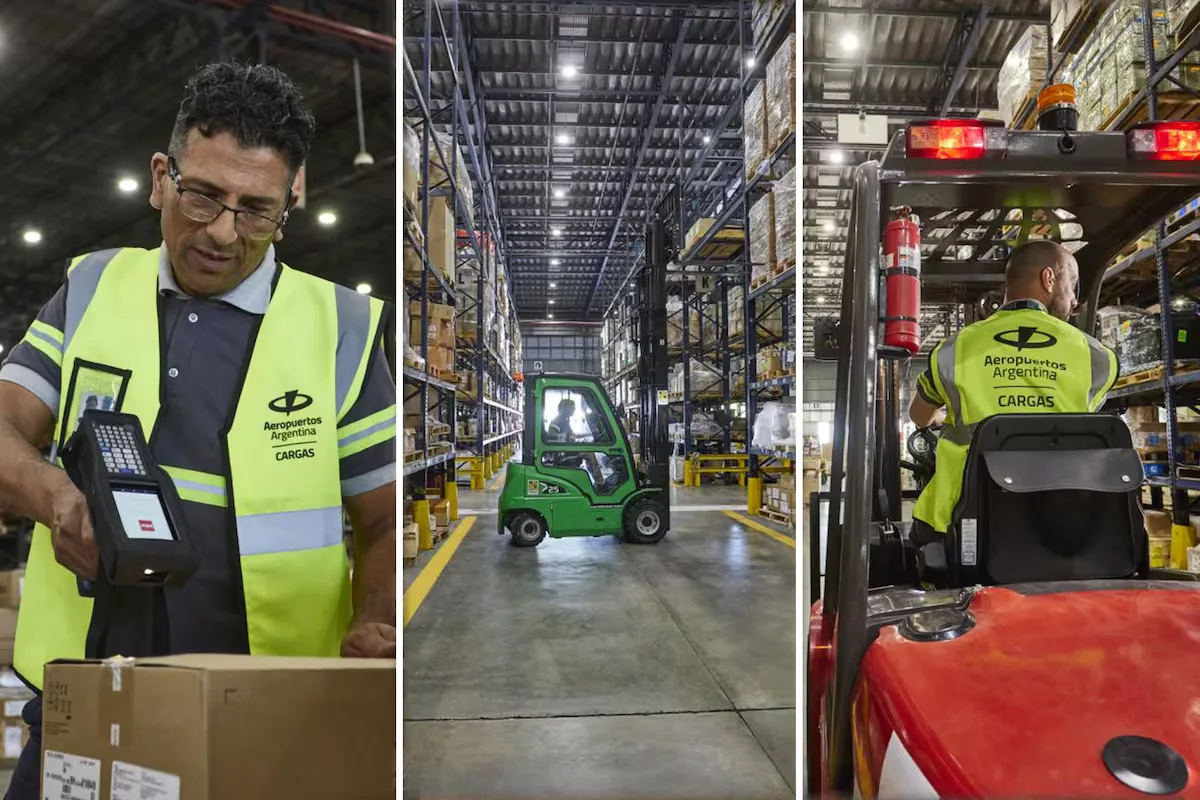
To support this expansion, Ezeiza plans to inaugurate the Unique Courier Terminal, a 15,000 square meter facility that will centralize the reception, classification, and processing of international shipments. Currently, the airport receives around 2,500 tons of packages monthly, nearly triple the volume recorded a year ago, an evolution that could also favor the arrival of new cargo airlines and increase logistics operations.
One of the factors behind this growth was the easing of conditions for importing products from abroad. In July, the national government modified the regulations through the Decree 604/2026 to simplify the tax treatment of these operations before the Revenue and Customs Control Agency (ARCA). Currently, purchases of up to USD 400 per operation are exempt from import duties and the statistical fee, although they are still subject to VAT.
Increased competition has also changed consumption habits. According to the Argentine Chamber of Electronic Commerce (CACE), 18% of consumers made their first international purchase during 2026, compared to 8% recorded the previous year. Additionally, the percentage of users who have purchased abroad at least once rose from 40% to 60%, with a particular prominence of consumers aged 18 to 34.
Milei simplified purchases abroad and made exports easier
The advancement of platforms like Shein, Temu, and Amazon has also forced major e-commerce operators to strengthen their commercial strategies. Mercado Libre established a logistics center in Asia to reduce intermediaries and strengthen its international purchasing program, while expanding its investments in distribution, automation, and shipping within Argentina.
The expansion of the courier system thus reflects an increasingly open market to international competition, where consumers can access a greater variety of products and compare prices between local and foreign suppliers, while the growth in demand drives new investments in logistics infrastructure.