








The Federal Office for the Protection of the Constitution of Germany (BfV), the country's domestic intelligence agency, identified China, Russia, and Iran as the main actors involved in transnational repression activities and warned that individuals fleeing authoritarian regimes may continue to be monitored, threatened, or intimidated even after settling in German territory.
In a publication released on August 20, the BfV explained that operations linked to Chinaaffect various groups considered a threat by Beijing. These include Chinese activists, citizens questioning the one-party system, Uyghurs, Tibetans, Falun Gong practitioners, and defenders of democracy in Hong Kong or Taiwan.
According to the agency, Chinese political authorities use their intelligence services and other actors working under their direction or on their behalf to monitor and intimidate individuals deemed oppositional outside of China. The warning reflects German concerns about the extraterritorial reach of the Chinese security apparatus and its attempts to control Chinese-origin communities even within Europe.

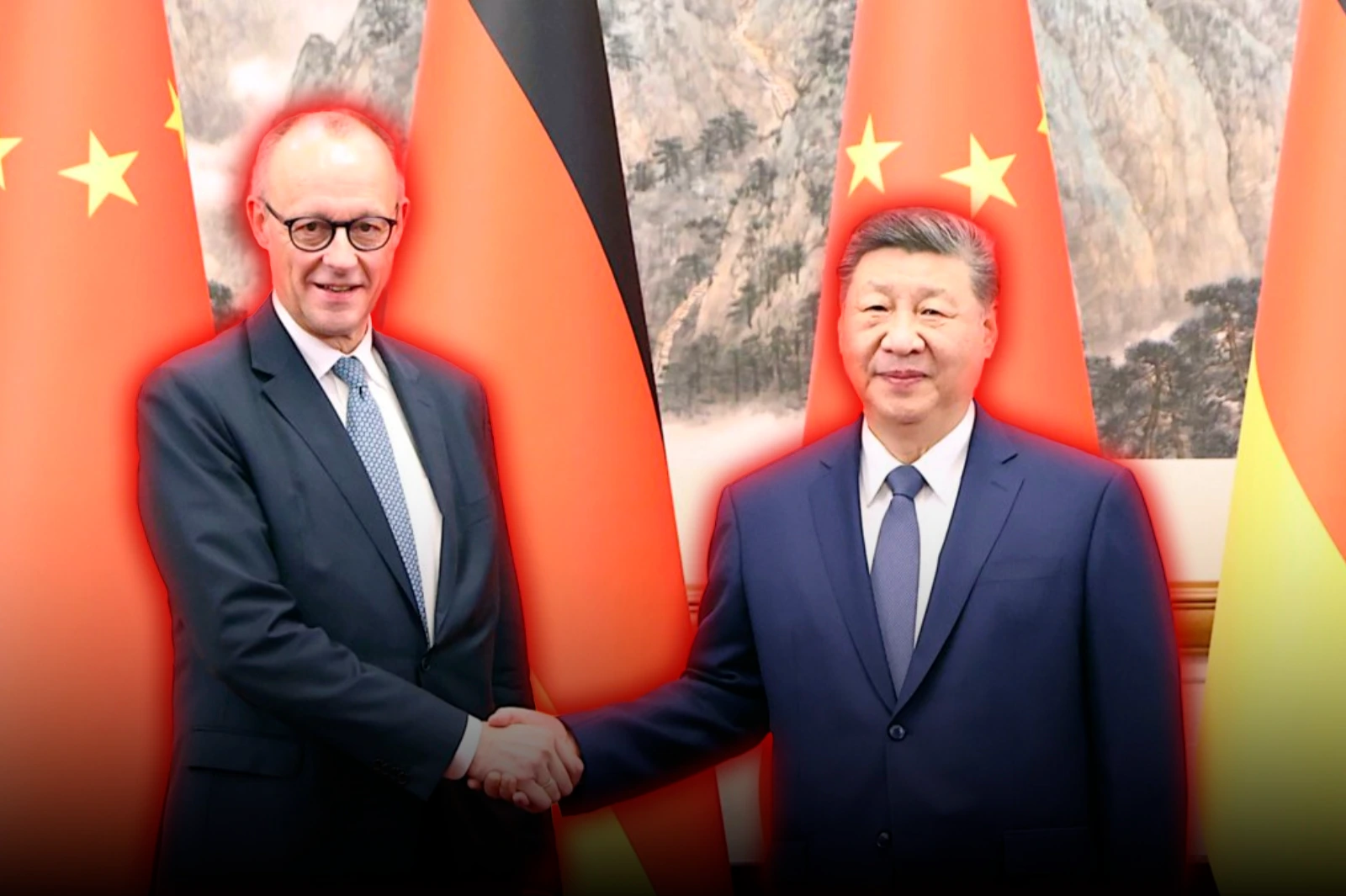
The government of Friedrich Merz denounced China, Russia, and Iran as the main promoters of transnational repression
Germany has also begun to strengthen its legal tools against such activities. Since April 2, the article 87a of the German Penal Code has been in effect, which provides for penalties of up to five years in prison for certain illegal acts committed in Germany on behalf of a foreign state.
Another mechanism highlighted by German authorities involves using family members who remain in China as a pressure tool against opponents residing in Germany. In an official response in 2021, the German government reported that Chinese security officials had repeatedly contacted Uyghurs seeking protection in Germany to obtain information about the diaspora.
According to these reports, some family members in China received benefits in exchange for cooperation, while those who refused were threatened with reprisals against their relatives. In certain cases, Chinese officials used the phones of family members to directly communicate with individuals residing in Germany and demand personal information, the abandonment of political activities against the Chinese Communist Party, or even their return to China.

The German government pointed out the various strategies of China to control critics of the government and members of minority communities even outside the country
Surveillance also reportedly extended to communities like Falun Gong. In 2011, a German court convicted John Zhou for acting as an intelligence agent for a foreign power. According to the ruling, he had access to internal communications of Falun Gong and gathered information about its members in Germany to deliver it to his contacts at the Chinese Ministry of State Security.
The BfV warned that transnational repression operations are not necessarily carried out directly by professional agents. Foreign services may resort to intermediaries, private investigators, students, coworkers, cultural associations, or other individuals with access to the monitored communities. Some individuals may even be pressured to collaborate.
The German agency has also reported the existence of a Chinese infrastructure aimed at controlling communities abroad. Its 2024 annual report described an extraterritorial network designed to identify potential dissidents, isolate them within Chinese-origin communities, and intimidate them. It also noted the role of consulates, businesses, student organizations, associations, and other institutions linked to China.
Among the communities persecuted by Xi Jinping's regime are Falun Gong, the Uygur community, and advocates for the independence of Hong Kong and Taiwan
Germany also identified two structures known as ''Chinese police stations'' that had operated in the country. Berlin described them as part of an extraterritorial state network and stated that some of their functions included gathering information about diaspora members and their political opinions. The government of Friedrich Merz demanded that China cease these activities, considering them a violation of German sovereignty.
The BfV now urges individuals who suspect they are being monitored, pressured, or threatened by a foreign intelligence service to report it through their confidential channels. Authorities can combine victim testimonies with their own investigations to identify patterns and responsible parties. When there are indications of a crime, specialized police units and prosecutors intervene.