
The Milei government condemned Iran's threats against the director of the IAEA, Rafael Grossi

The Milei government condemned Iran's threats against the director of the IAEA, Rafael Grossi

An advisor from the Iranian Revolutionary Guard threatened the Argentine head of the IAEA, warning that he "will get what he deserves," after he called for the resumption of nuclear inspections in Iran

Share:

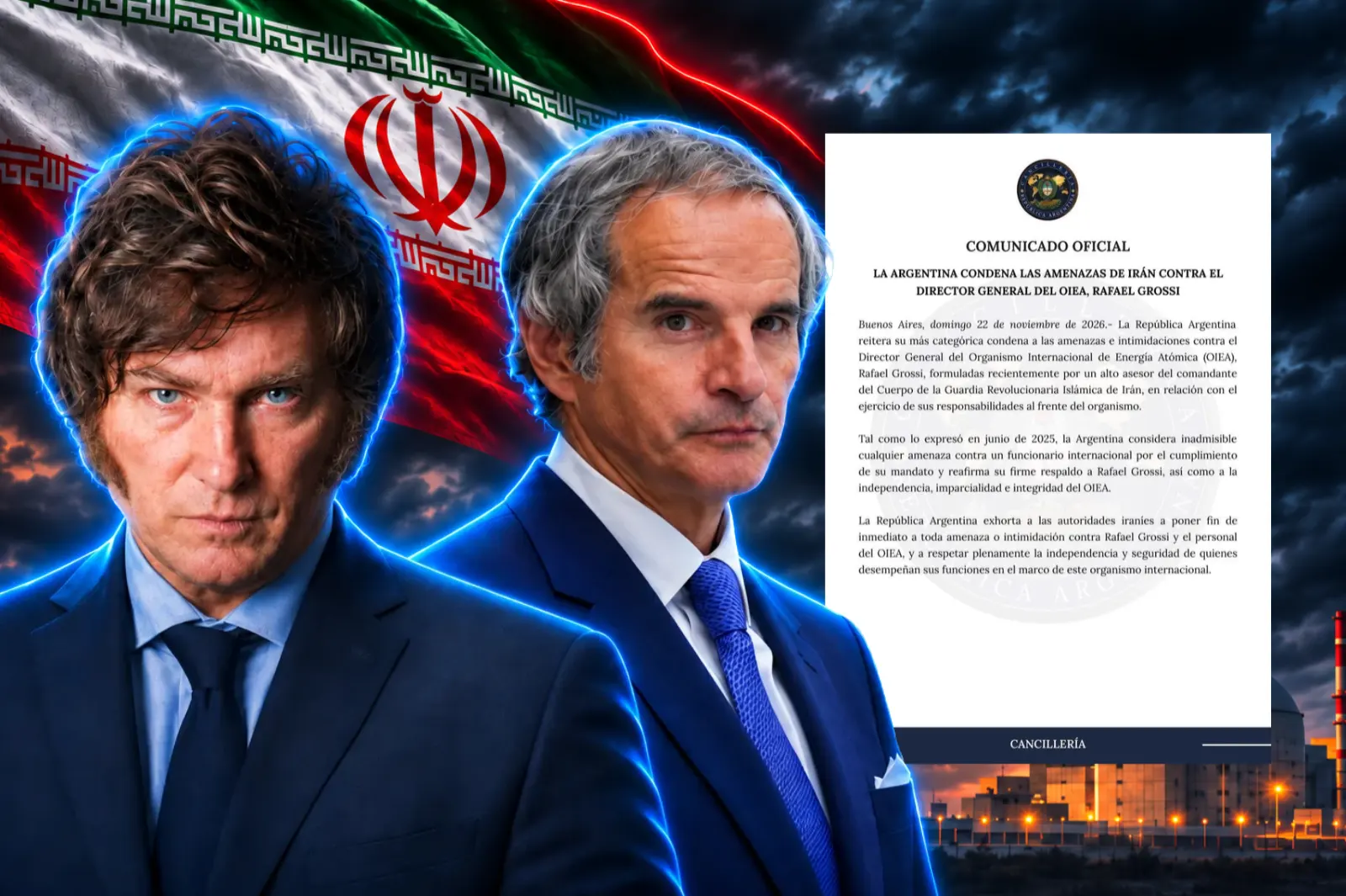
The Argentine Republic, under the firm leadership of the government of Javier Milei, has taken a categorical stance on the geopolitical stage by unequivocally condemning the aggressions of the theocratic dictatorship of the Iranian regime against the Director General of the International Atomic Energy Agency (IAEA), Rafael Grossi. Through an official statement issued this Sunday, the Ministry of Foreign Affairs, International Trade and Worship, led by Pablo Quirno, deemed any form of pressure or intimidation against international officials in the performance of their duties as unacceptable.

The diplomatic palace of the Chancellery reiterated “its most categorical condemnation of the threats and intimidations” directed against Argentine diplomat Rafael Grossi, a direct result of the atomic oversight functions he leads. In line with the precedents set in June 2025, the official position of the country not only rejected the attacks from Tehran's extremism but also reaffirmed its unconditional support for the independence, impartiality, and integrity of the IAEA and its highest authority. Furthermore, the national Executive urged Iranian authorities to “immediately cease” any intimidating behavior against Rafael Grossi and all personnel of the international agency.

The firm stance of the Argentine Government responded to the brutal verbal assaults perpetrated this Saturday by Mohammad Reza Naghdi, a senior advisor to the commander of the Islamic Revolutionary Guard Corps. The regime official issued a serious warning against Rafael Grossi, defiantly stating that “He will get what he deserves”. Not content with that, the military advisor sought to delegitimize the demands for nuclear inspections, arbitrarily labeling the head of the IAEA as acting in favor of Israel and disqualifying him by asserting that “he is Israeli and is not subject to any law or regulation”.

The origin of the Iranian dictatorship's fury lies in the firm demand made by Rafael Grossi from Vienna, where he called for the immediate resumption of controls on atomic enrichment facilities during the quarterly meeting of the Board of Governors.
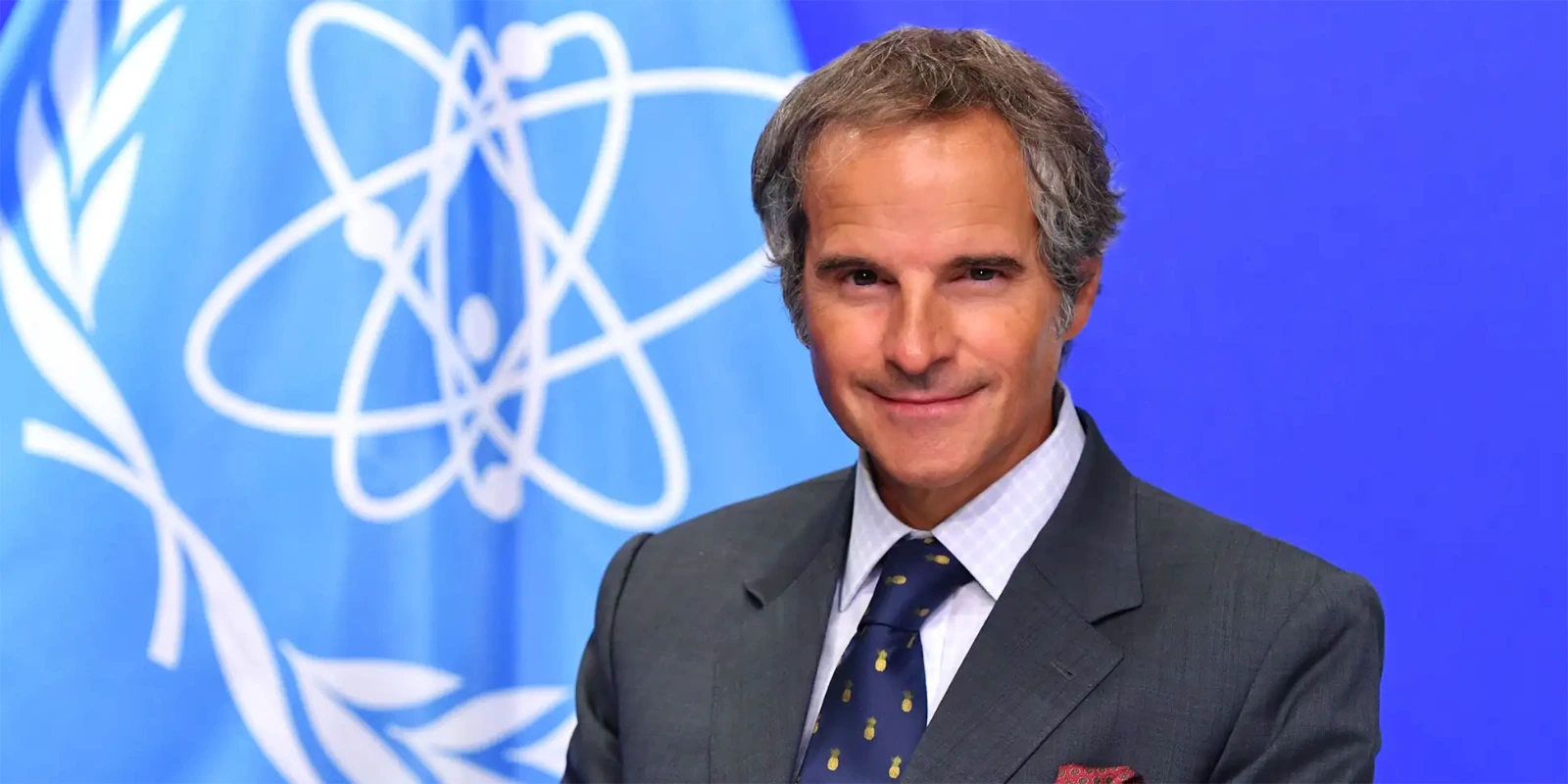

In that venue, the Argentine diplomat —who is also a candidate to head the United Nations (UN) Secretary-General for the term 2027-2031— stated that Tehran's cooperation “is not as it should be”. With a concern rooted in global security, the head of the IAEA warned about the serious dangers posed by the lack of access for international technical personnel to ensure that atomic activities are for peaceful purposes.

Rafael Grossi
Rafael Grossi

In quantitative and technical terms, the detailed reports by Rafael Grossi present alarming figures: before the attacks recorded in June 2025, the theocracy of Tehran had an estimated reserve of 440 kilograms of highly enriched uranium. Since the interruption of direct oversight, the IAEA has gone months without information on the status of that material, which forced the official to declare emphatically:

“We need to return to Iran. This situation of so many months without information on the nuclear program is not good for either the United States or Iran, which cannot provide guarantees about transparency”. He added his deep concern by admitting: “We cannot say where it is, what happened to it, or confirm what the real situation is”.

Finally, the military escalation of Iran includes its intention to abandon the Treaty on the Non-Proliferation of Nuclear Weapons (NPT), a stance that Rafael Grossi condemned by stating that “it would not be a wise decision”. Although regime spokespersons like Esmaeil Baqaei accused the agency of maintaining a supposed institutional double standard due to the situation of Israel (a non-signatory of the treaty), the position of the administration of Javier Milei supported the work of the IAEA and made it clear that Argentina will not yield to international blackmail, consolidating a foreign policy aligned with freedom, world order, and rejection of terrorism.