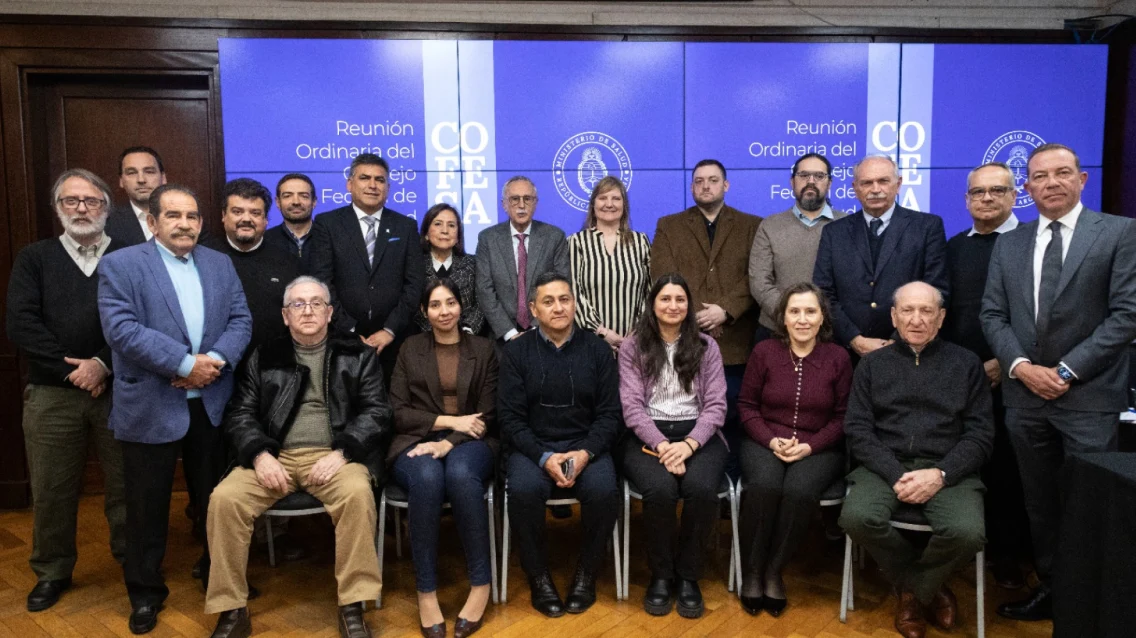
The Government of Javier Milei reported that it allocated more than $3.4 trillion for disability care, according to the data presented during a new meeting of the Federal Health Council (COFESA), which brought together national and provincial health authorities.
The amount was reported by the national secretary of Disability, Alejandro Vilches, as part of the presentation made to the health ministers of the different jurisdictions.
The investment includes both resources allocated to benefits related to the health system and funds corresponding to Non-Contributory Pensions for Labor Disability.
The meeting of the Federal Health Council
Of the total reported, $192.485 million corresponds to benefits from the Incluir Salud Program and High Cost and Low Incidence Program (PACBI). This figure is supplemented by $3.2 trillion allocated to Non-Contributory Pensions for Labor Disability (PNCIL).
Thus, the resources transferred from the Nation to the jurisdictions regarding disability exceed $3.4 trillion, according to what was presented during the COFESA meeting.
The Meeting of the Federal Health Council
The issue of benefits for people with disabilities was the top priority on the meeting's agenda. In this context, health authorities also analyzed measures aimed at improving the functioning of the Incluir Salud Program, with the goal of strengthening management mechanisms and optimizing administrative processes.
As part of that strategy, the jurisdictions agreed to hold a specific federal meeting next month, before the next monthly COFESA meeting. The objective will be to advance in coordination and management mechanisms related to the program.
The Minister of Health of the Nation, Mario Lugones, led the meeting and emphasized the need to deepen coordination between the Nation and the provinces. “We are in a new COFESA to continue the work of coordinating health priorities and to delve into the responsibilities that correspond to the Nation and each jurisdiction,” he stated.
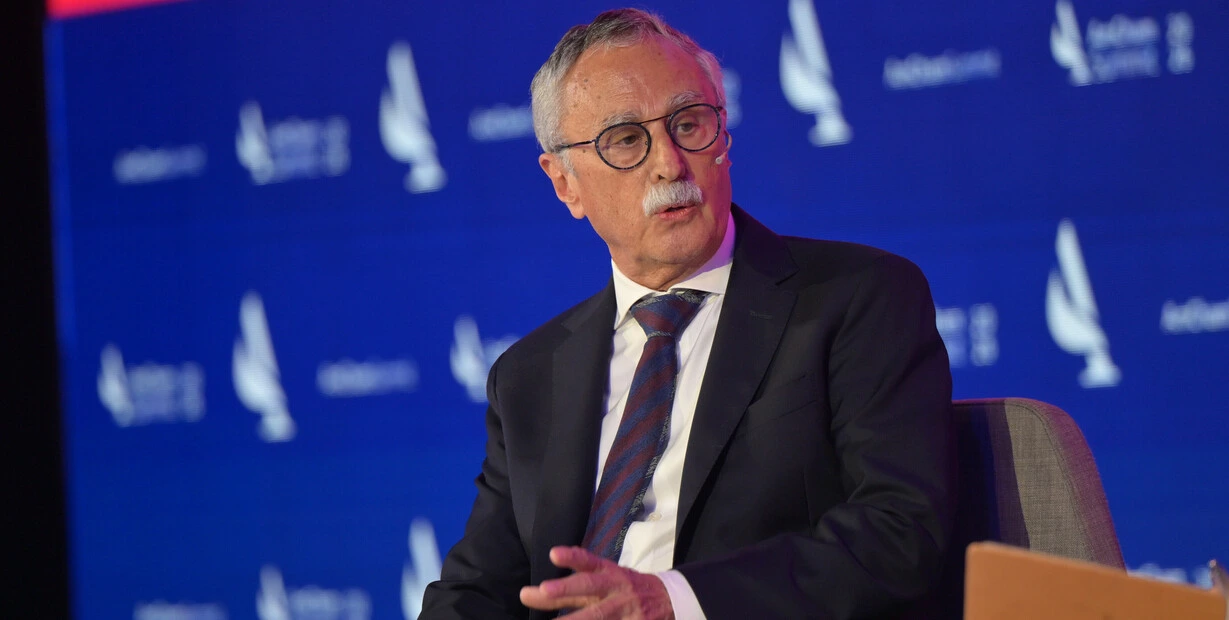
Minister Mario Lugones
The reported investment in disability adds to other disbursements made by the Ministry of Health in health matters. During the meeting, the expenditure allocated to high-cost medications and oncological treatments was also detailed.
According to the information provided by the health portfolio, between January and July of this year, more than $234 billion was allocated for the purchase of these medications, intended for the care of 8,298 patients. For the entire year, an investment exceeding $400 billion is projected.
Although the COFESA meeting addressed various aspects of health policy, the volume of resources allocated to disability was one of the main data presented to provincial authorities.
The agenda also included monitoring vaccination strategies. In this case, the Ministry of Health reported an investment of more than $244 million for the purchase of vaccines during 2026 and presented a new tool to consult information about coverage and the distribution of doses.
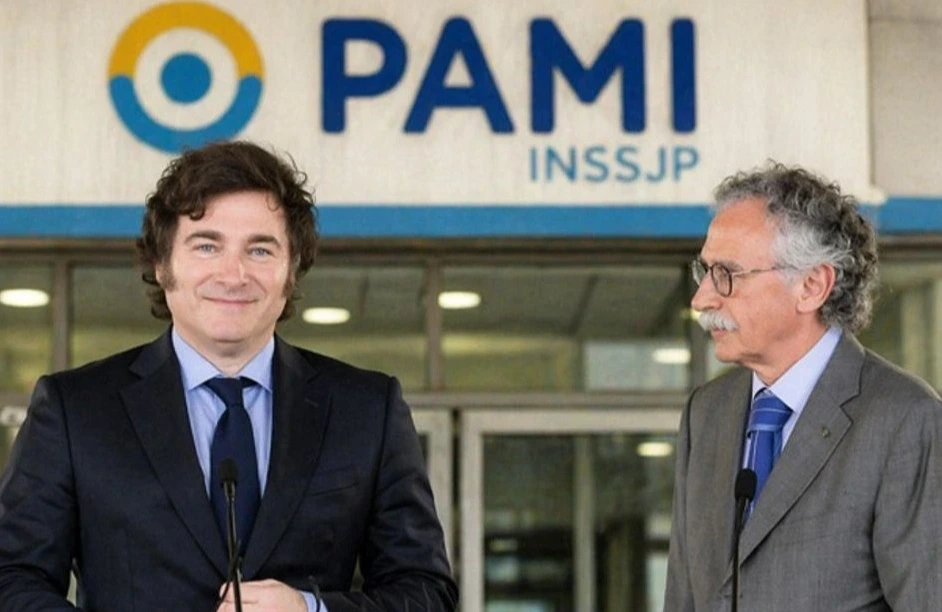
Javier Milei and Mario Lugones
The development will allow access to data on vaccines administered at the national and jurisdictional levels, in addition to knowing coverage percentages and comparing their evolution with previous years.
During the meeting, it was also announced the inclusion of stroke (ACV) and heart failure as mandatory notification events. The measure aims to generate standardized and continuous information on both events and improve the monitoring of health care.
Another topic discussed was the possible impact of the El Niño phenomenon in the coming months. Health authorities raised the need to strengthen surveillance and prevention efforts against vector-borne diseases, particularly in light of conditions that may favor the reproduction of the dengue-transmitting mosquito.
Finally, the progress of the 2025 Vital Statistics Report was presented, and information was provided about the management of INCUCAI, which indicated that this year the number of transplants performed has already surpassed the number conducted in the same period of 2025.