


In the context of an unprecedented structural transformation aimed at dismantling the suffocating statism of the past, the National Government led by President Javier Milei has consolidated a decisive strategic victory in civil aviation. Through the firm implementation of the Open Skies policy, the libertarian administration has advanced in the opening of the air transport market, eliminating artificial barriers to comprehensively boost passenger and cargo flights, multiply free competition, and enhance international connections of Argentina with the most developed markets on the planet.
This pro-market offensive was formally established internationally in Montreal, Canada, during the Seventh World Air Transport Conference organized by the International Civil Aviation Organization (ICAO). At this multilateral forum, the Argentine delegation reaffirmed the unwavering commitment of the Executive Power to modernization, deregulation, and international free trade, positioning the country as a reliable and safe destination for private aviation investment.

The fundamental pillar of this new phase of air transport expansion lies in the signing of two bilateral agreements of high strategic value with Japan and Australia, instruments that expand the operational capacity of airlines and eliminate historical restrictions. With the inclusion of these two economic powers, Argentina reaches the remarkable figure of 74 active bilateral air transport agreements.
The agreement reached with Japan constitutes an operational and diplomatic milestone. Until the signing of this instrument, connectivity between both nations was severely restricted to passive code-sharing schemes. Following negotiations led by the National Government, Argentine and Japanese airlines have been fully authorized to operate regular passenger and cargo flights using their own aircraft. The regulatory framework allows operations to and from any point in the territory of Argentina and all airports in Japan, with the only technical exception being Tokyo-Haneda airport.
On the other hand, the bilateral pact signed with Australia establishes a highly liberalized scheme that stimulates operational efficiency. The agreement includes a progressive increase in capacity for passenger transport and substantially relaxes air traffic rights, authorizing airlines to board and disembark passengers in third countries as part of their international routes.
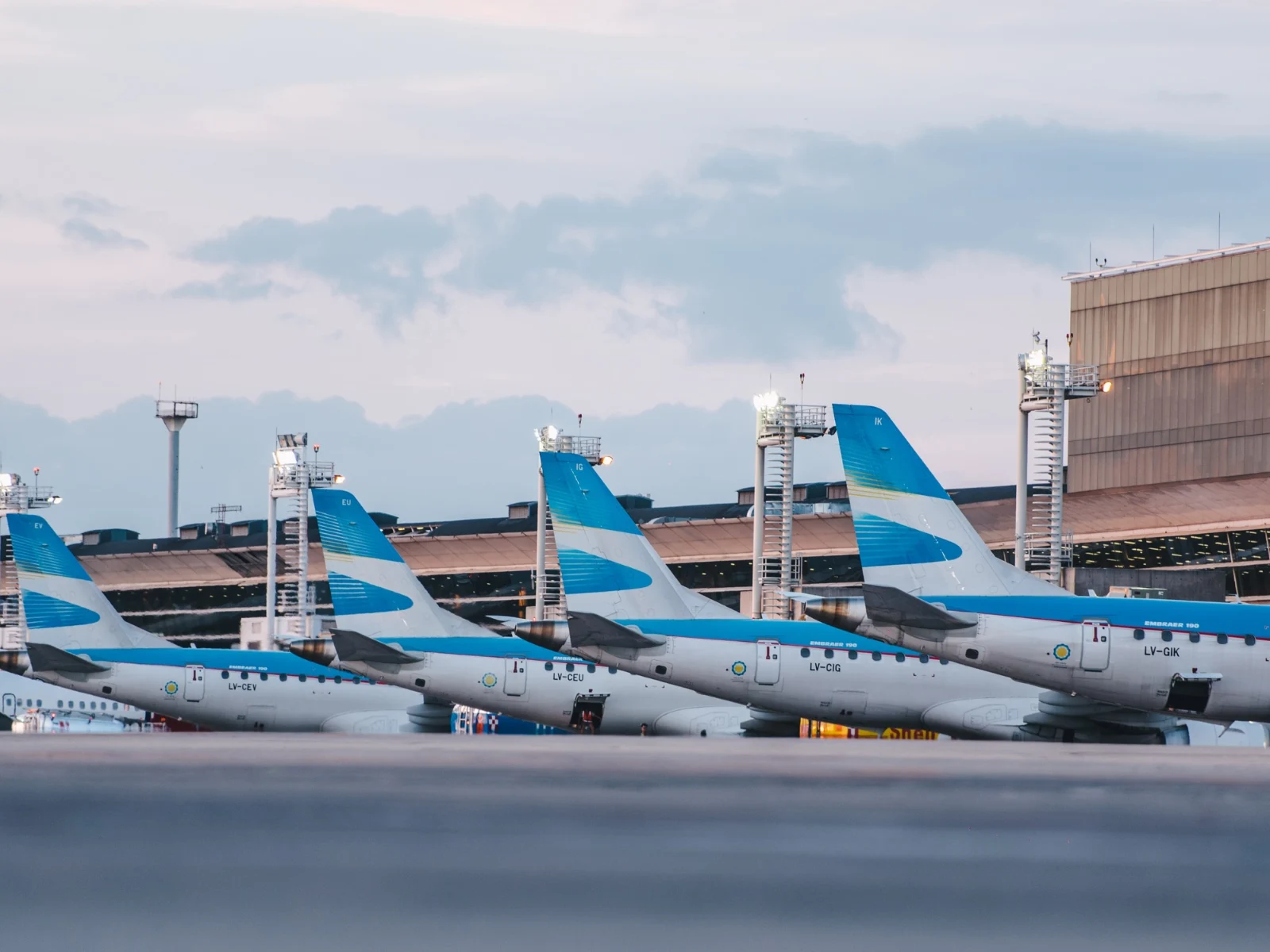
In the logistical and commercial segment of cargo, unlimited frequencies and greater operational freedoms were established to provide cross-border services between third nations. Additionally, the regulatory framework structures a wide range of routes and code-sharing alliances to diversify the offering for the benefit of users.
The Open Skies policy demonstrates with tangible metrics that market opening and open competition are the only effective engines for generating wealth and federal connectivity. Official data reflects exponential growth in the air transport sector:
70 new air routes authorized since the beginning of the libertarian administration, eliminating bureaucratic centralization and directly connecting provinces with the outside world.
10 airlines effectively incorporated into the air transport market, expanding flight options and boosting direct and indirect employment.
200 additional weekly frequencies recorded in October 2026 compared to October 2023, evidencing a quantitative leap in the availability of flights.