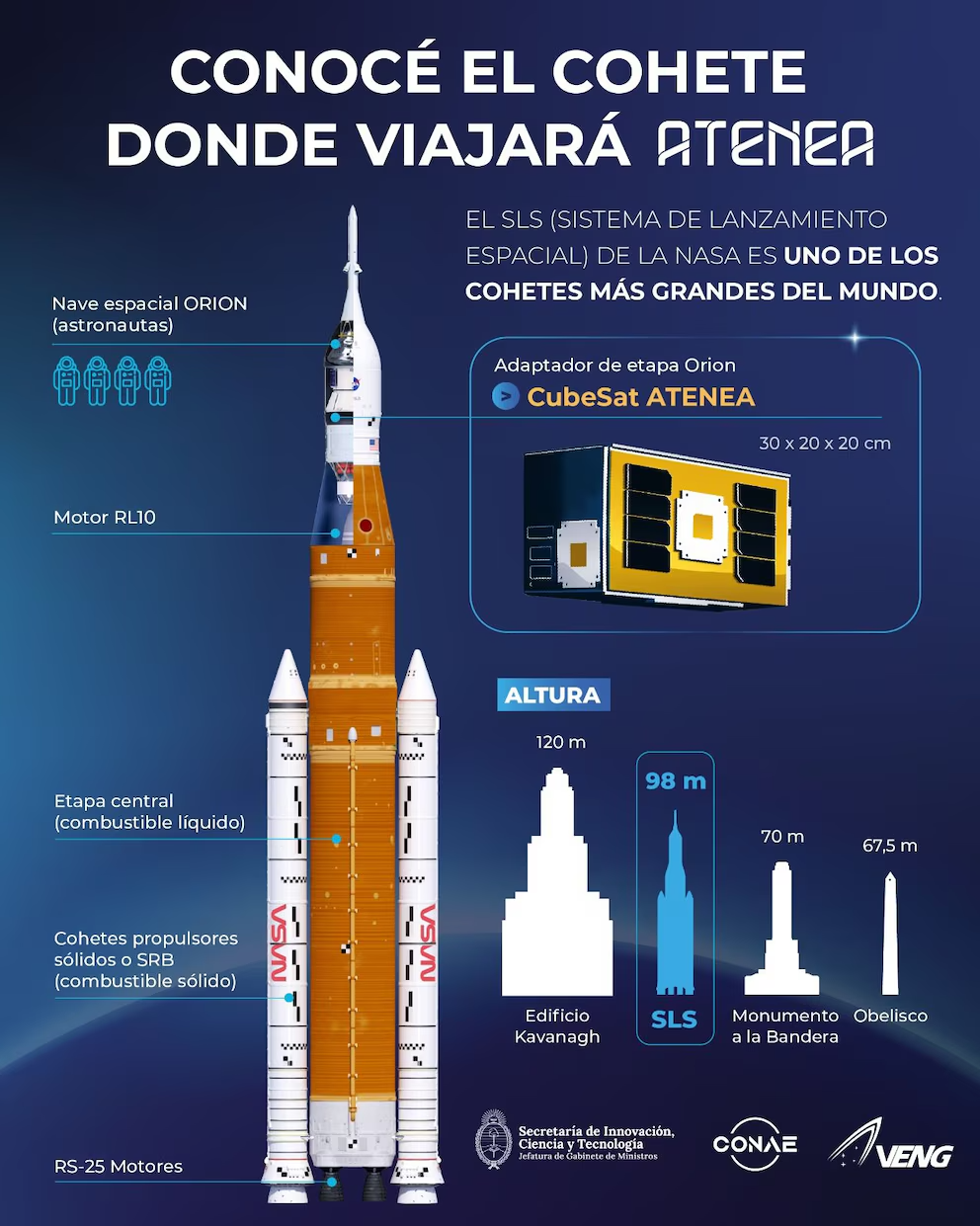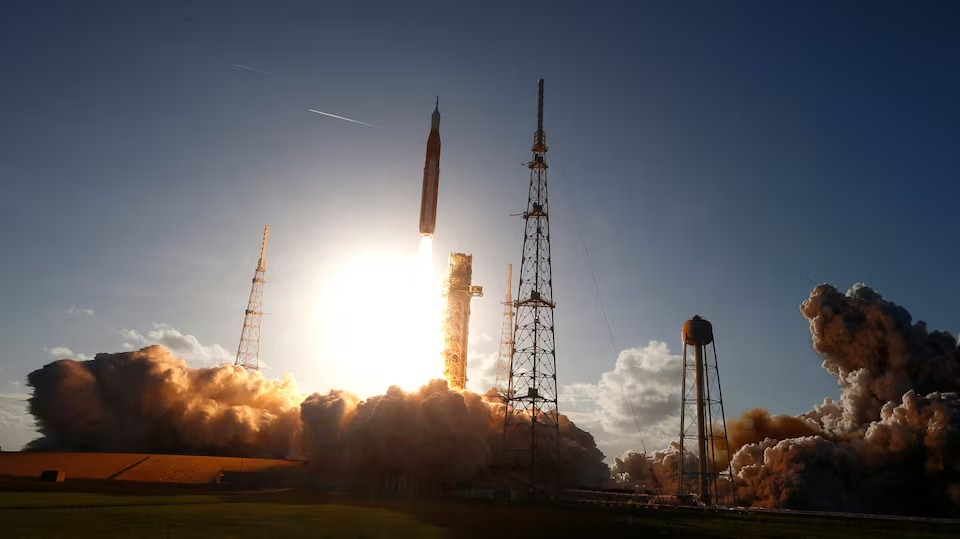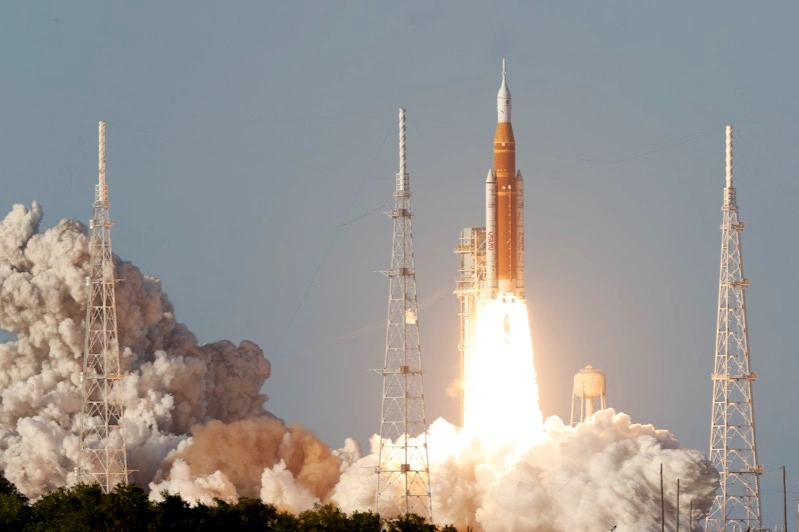

The Artemis II mission took off successfully and marks an historic moment: for the first time in more than five decades, a crew is once again heading towards lunar orbit. The launch, carried out by NASA from the Kennedy Space Center, reopens a key stage in deep space exploration
.On board the Orion capsule and using the powerful Space Launch System (SLS) rocket, four astronauts began a mission of approximately ten days that will take them to orbit the Moon and return to Earth. This is the first manned flight of its kind since 1972, making Artemis II a true turning point for
humanity.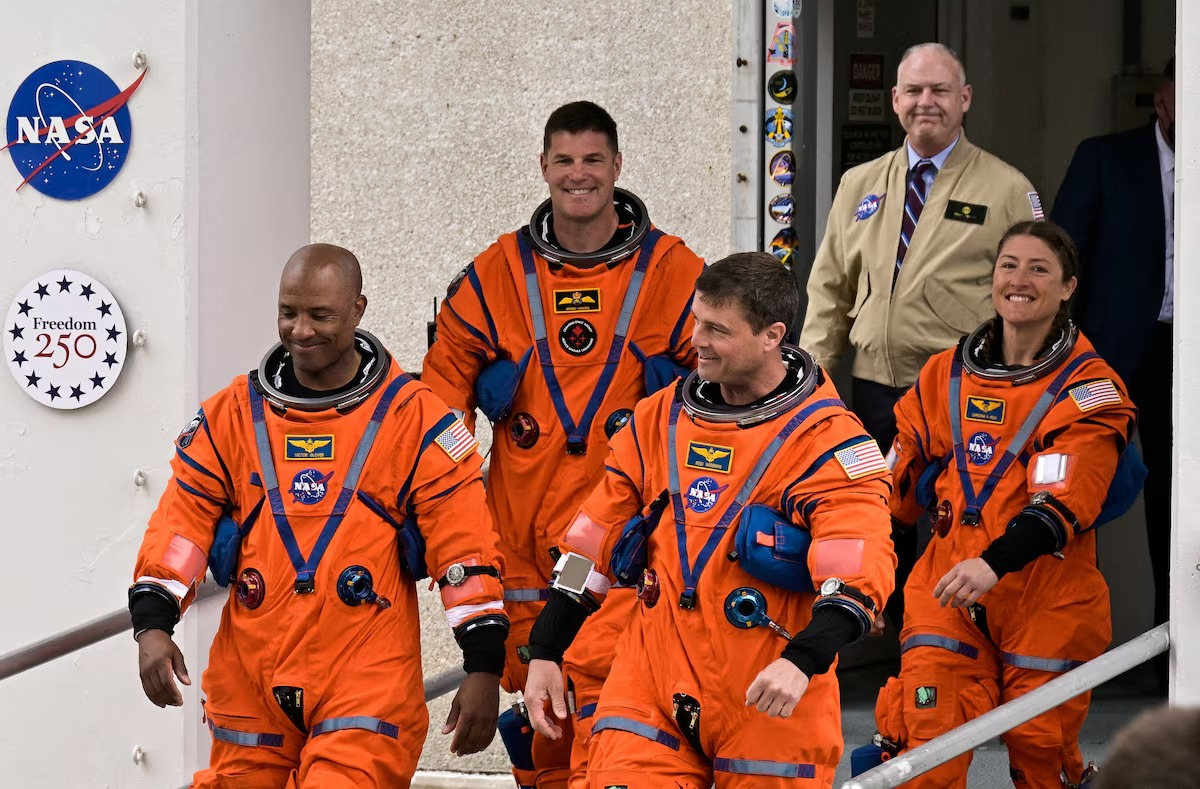
Beyond the symbolic impact, the mission has a specific objective: to validate critical systems for future manned missions. Artemis II will serve as a general rehearsal for Artemis III, which will seek to specify the return of man to the lunar surface and to advance the construction of a sustained presence outside
the Earth.The Artemis program also has a strong geopolitical dimension. In a context of growing technological competence, the United States seeks to consolidate its leadership against other powers such as China, which are moving forward with their own lunar projects