Fossil teeth found in caves show that this ancient human species inhabited dense forests between 324,000 and 184,000 years ago, when it was believed extinct in the region
An international team of scientists revealed that Homo erectus lived in dense tropical rainforests in southern China between 324,000 and 184,000 years ago. The finding, announced by Macquarie University from Sydney, Australia, modifies what was known about the distribution and capabilities of this ancient human species.
Until now, it was believed that Homo erectus had gone extinct in that area much earlier and that it relied almost exclusively on open grasslands or less dense forests. It was also thought that only modern humans had managed to adapt to the hostile environments of tropical rainforests.
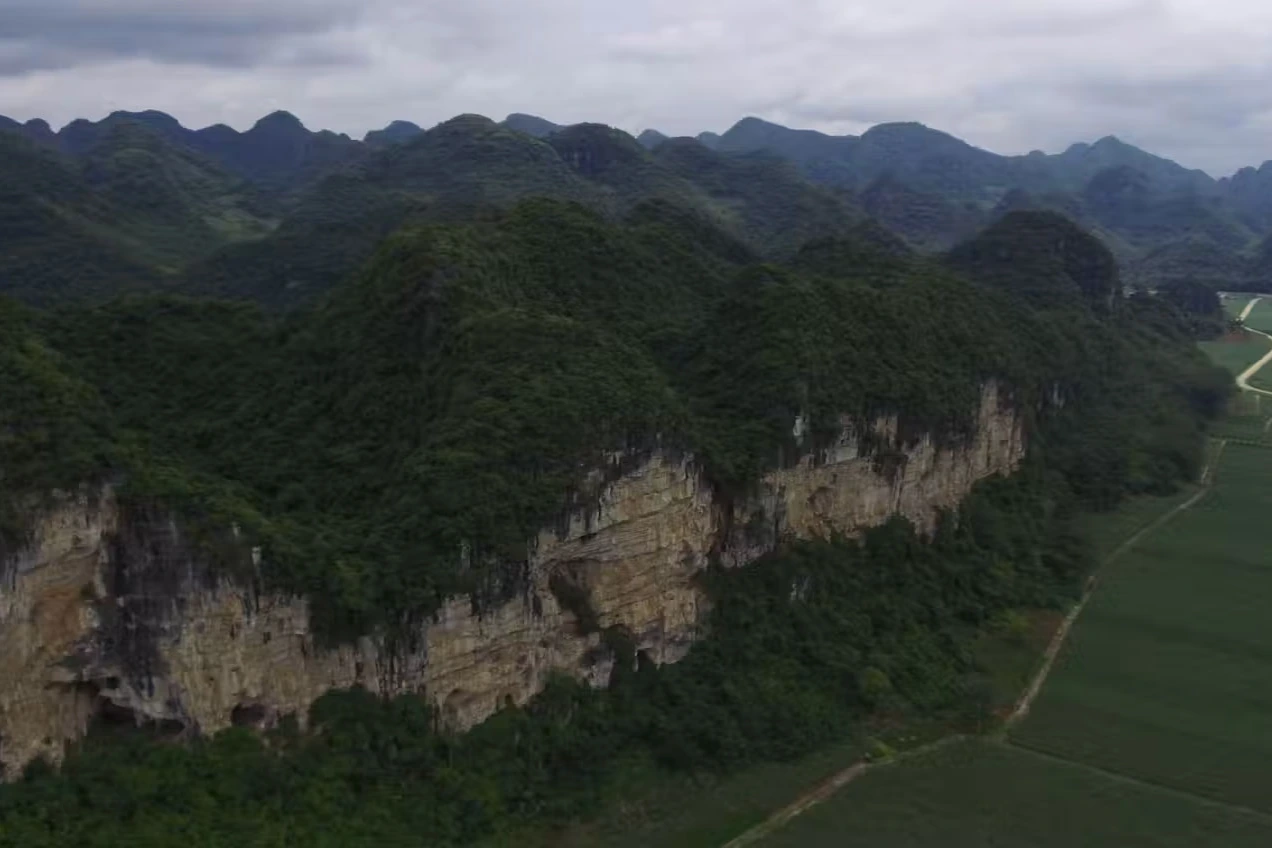
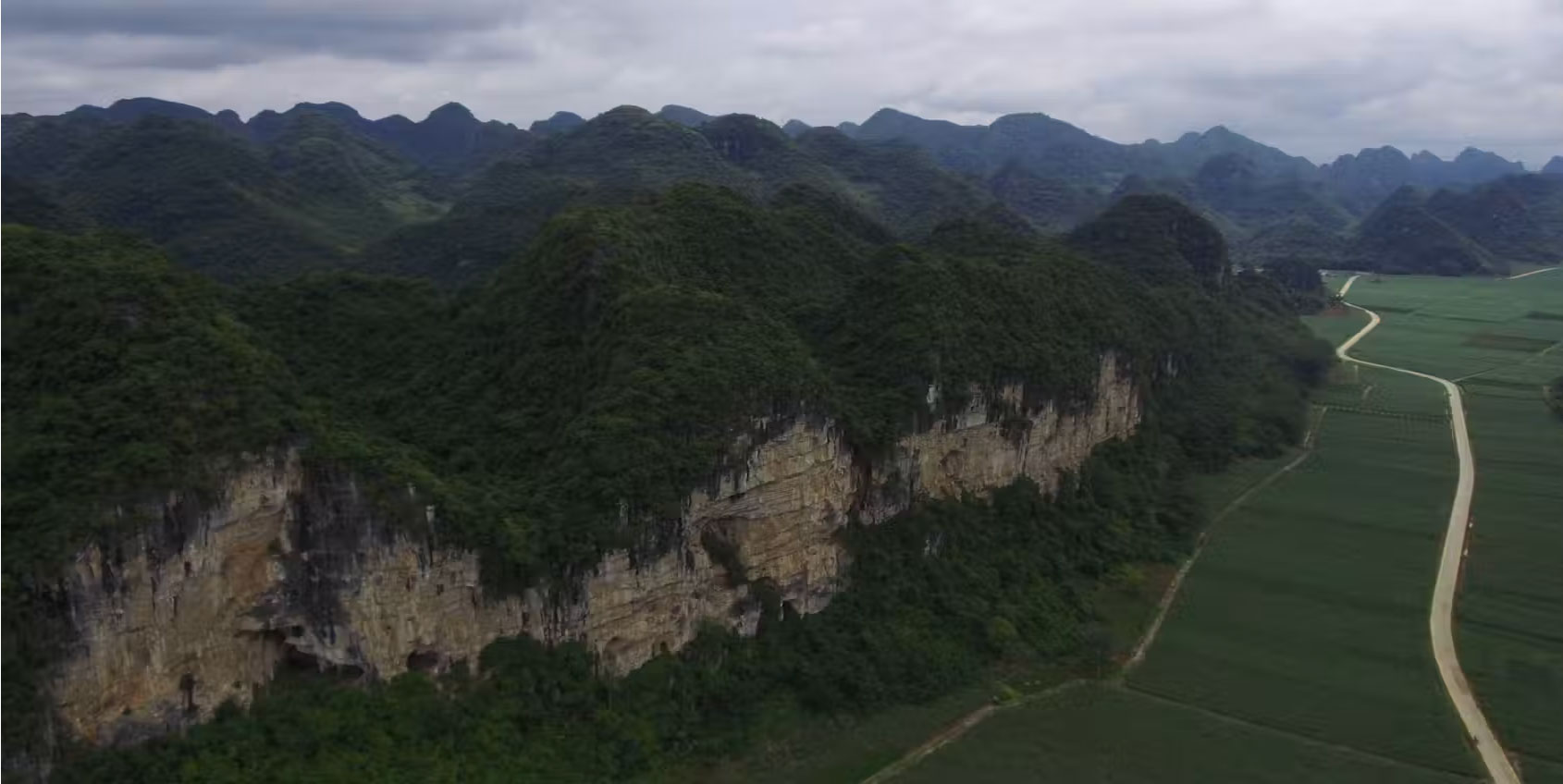
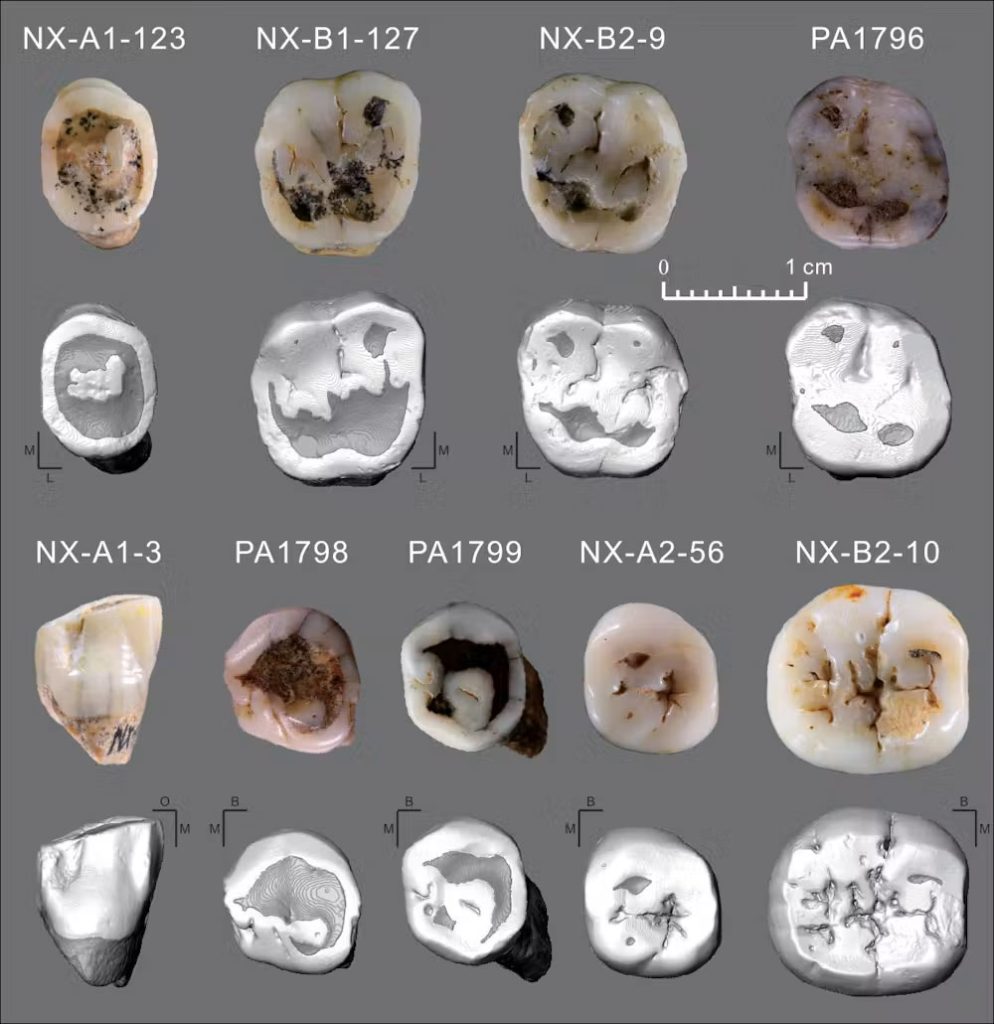
The analyzed remains consist of eight teeth and other fossils recovered from the Baxian and Naxian caves, located about fourteen kilometers apart. The region is characterized by steep limestone hills, numerous caves, and dense tropical vegetation.
The researchers identified the teeth as belonging to Homo erectus based on their physical characteristics and genetic signatures. They then dated the remains along with the sediments of the caves and the surrounding mineral formations.
Evidence of Life in the Jungle
The chemical analysis of strontium isotopes present in the teeth confirmed that these individuals inhabited a tropical rainforest ecosystem and moved across a wide territory. This information is crucial because it demonstrates greater ecological flexibility than previously attributed to them.
Kira Westaway from Macquarie University emphasized the significance of the discovery: “This is a fascinating discovery because it confirms the presence of Homo erectus in a place we did not expect and at a time we had not considered.” She added: “This has enormous implications for the timeline of Homo erectus as we try to understand the causes of its extinction.”
News - Homo Erectus Survived in Southern China’s Tropical Rainforests - Archaeology Magazine
The study necessitates a review of the regional chronology of the species and a reconsideration of the factors that may have contributed to its disappearance. The ability to inhabit dense tropical rainforests for such an extended period suggests that Homo erectus had more varied adaptive resources than previously thought.
The research, published in the journal Nature, adds to other recent findings about hominins in China and reinforces the idea that southern China housed archaic human populations in diverse environmental contexts. The results also invite further exploration of caves in the region, where more evidence of these early occupations could emerge.
Together, the work shows that the history of Homo erectus in East Asia is more complex and prolonged than previously believed. The confirmation of its presence in a closed tropical forest environment necessitates adjustments to models of how and when this species went extinct in different parts of the continent.