
In a scenario of accelerated technological transformation, energy transition, and digitalization, the shortage of qualified engineers and technicians represents one of the main brakes on economic growth in Latin America. Gary Becker, with his works Human Capital (1964) and A Treatise on the Family (1981), provides the most solid conceptual framework to understand why investing in these careers—both classic and cutting-edge—generates extraordinary returns for individuals, families, and the country.
However, Becker does not only speak of long university degrees. His vision of human capital as an accumulable and specific investment opens the door to modern strategies: strengthening the foundations in basic education, vocational training, micro-credentials, and flexible academic credit systems. The Ministry of Human Capital of Argentina, a creation of President Javier Milei and Minister Sandra Pettovello, unique in the world, offers a concrete example of how these ideas can translate into concrete public policies.
The foundation: language and mathematics in basic education
All investment in engineering begins long before university. Becker emphasized that human capital is built throughout life, but its foundations are laid in childhood and adolescence. A solid mastery of language and mathematics in basic education is the indispensable prerequisite for later success in technical careers.
Mathematics develops logical thinking, problem-solving, and the ability to model systems—core skills in any engineering field. Language, for its part, strengthens technical communication, understanding of complex texts, and the ability to argue projects. Without these foundations, young people face higher dropout rates in engineering and technical careers, and the return on investment in higher education decreases drastically.
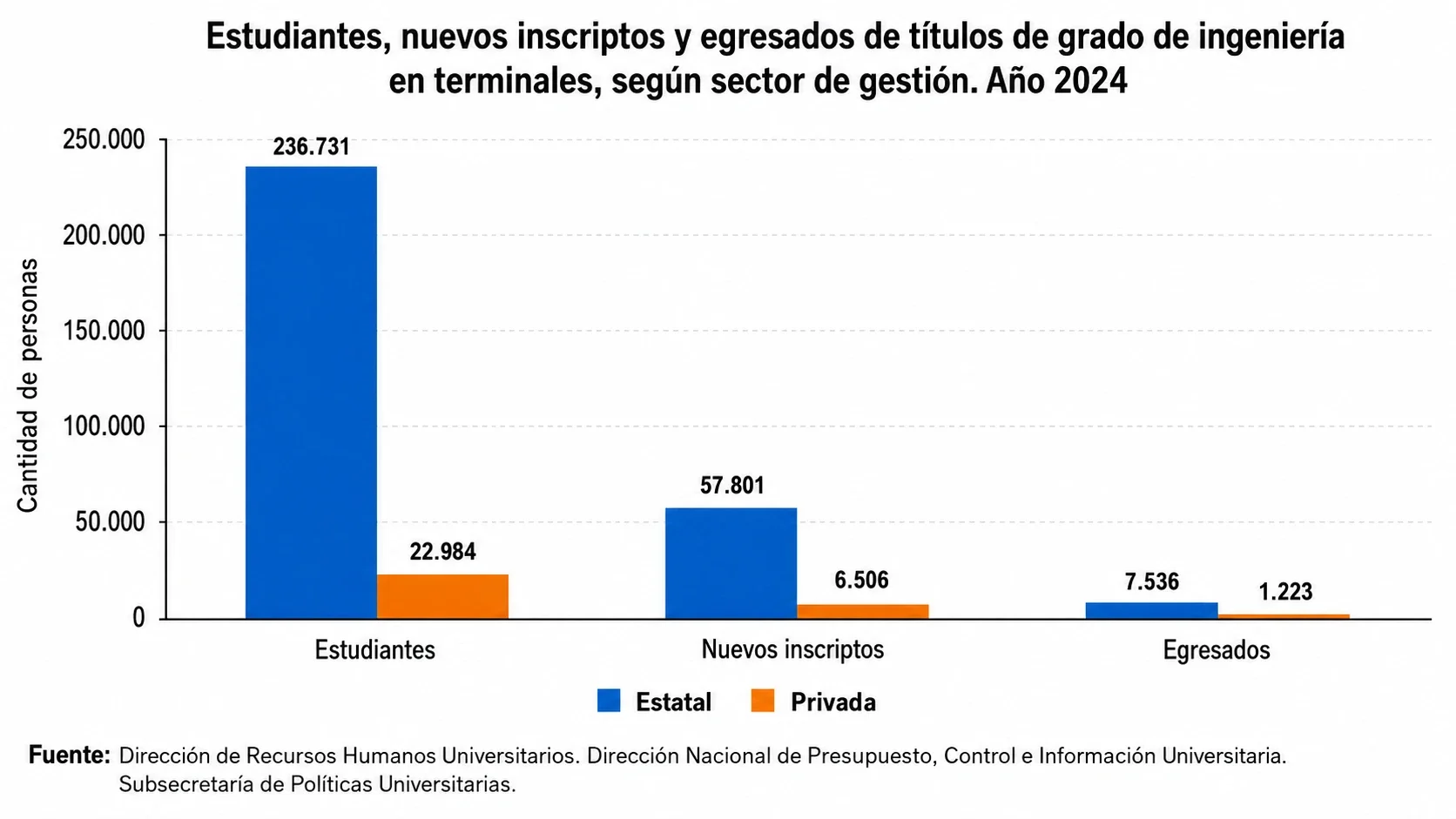
Strengthening language and mathematics from primary and secondary education is not just an educational policy: it is the most efficient way to multiply future human capital in high-demand areas such as artificial intelligence, renewable energies, robotics, or industrial engineering. Additionally incorporating the development of socio-emotional skills, which will become increasingly valuable in a highly technified world.
Engineering, technical careers, and vocational training: high-return investments
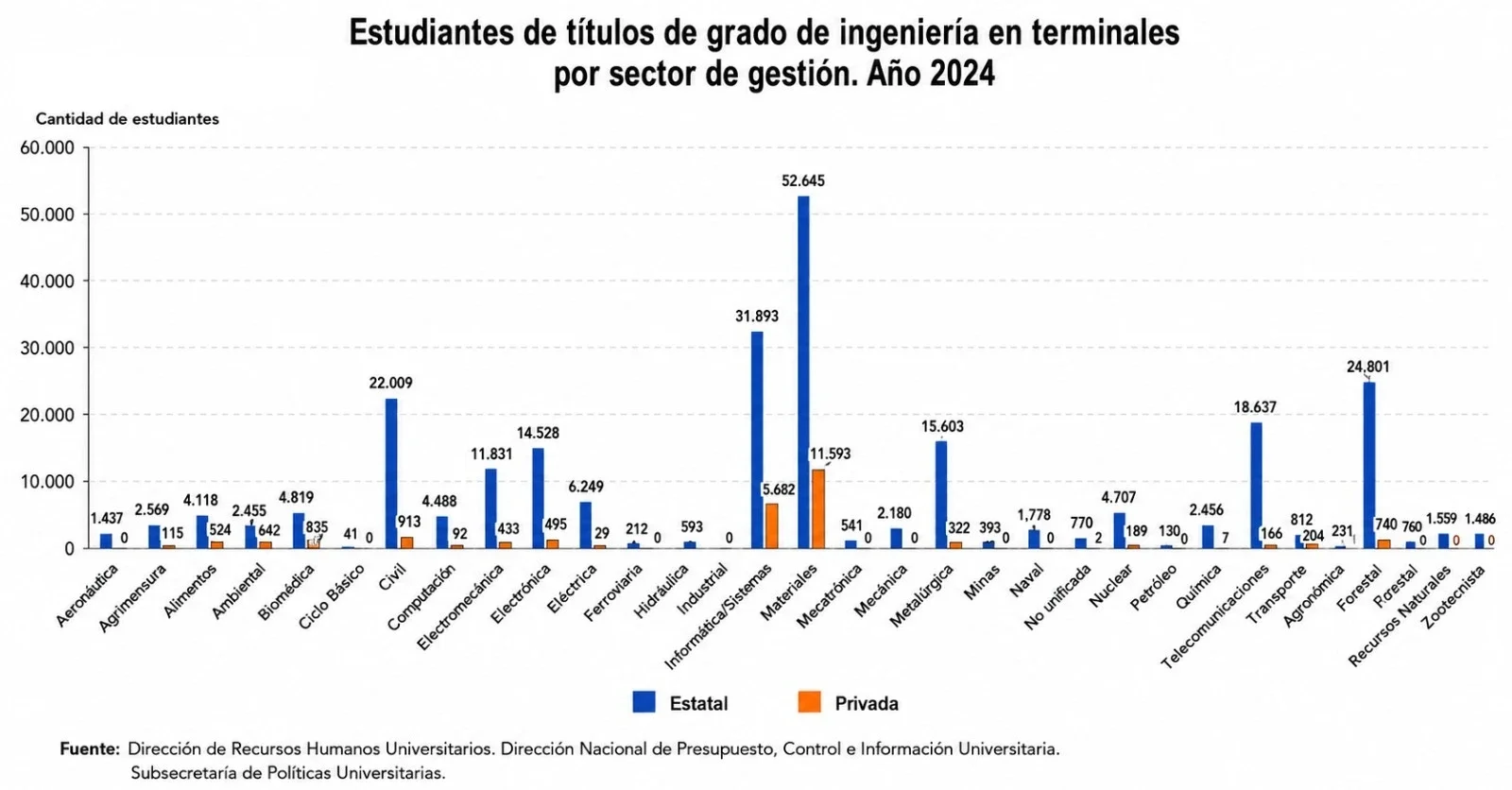
Engineering careers generate specific human capital with returns higher than average. Both classic engineering fields (civil, mechanical, electrical)—essential for infrastructure and industry—and cutting-edge fields (AI, biotechnology, clean energies, automation) drive productivity, innovation, and global competitiveness.
Technical careers and vocational training complement this landscape. They are shorter, practical paths directly oriented to the labor market. Specific training and on-the-job training were particularly valued because they generate quick returns and reduce the gap between what is taught and what companies need.
Micro-credentials and credit systems: flexibility for a changing world
The current world demands continuous learning. This is where micro-credentials—short, modular certifications focused on specific competencies (for example, “Python Programming for Engineers,” “Project Management with Agile Methodologies,” or “Predictive Maintenance with AI”)—and the academic credit system come into play. Micro-credentials allow for skill updates without leaving employment, reducing costs and obtaining quick recognition.
The Argentine System of University Academic Credits (SACAU) and similar trends in the region facilitate the accumulation and recognition of these certifications towards complete degrees. This perfectly aligns with Becker's vision: human capital is built in an accumulative and flexible manner throughout the entire working life. For families, this flexibility reduces opportunity costs and increases the incentive to invest in their children's education, as returns come faster and in a more predictable manner.