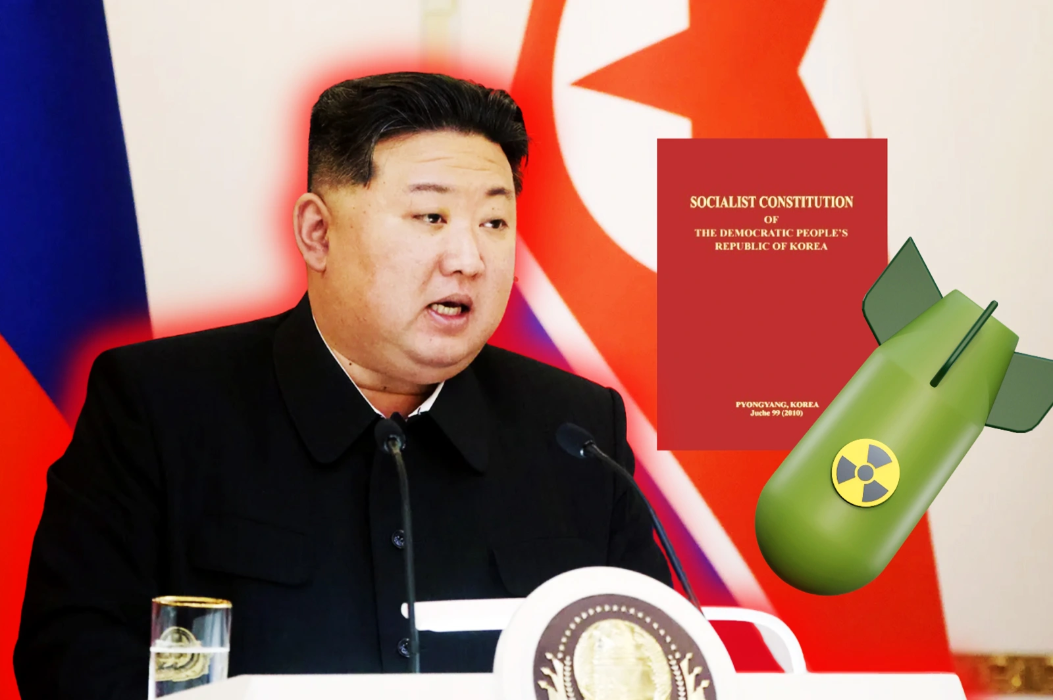
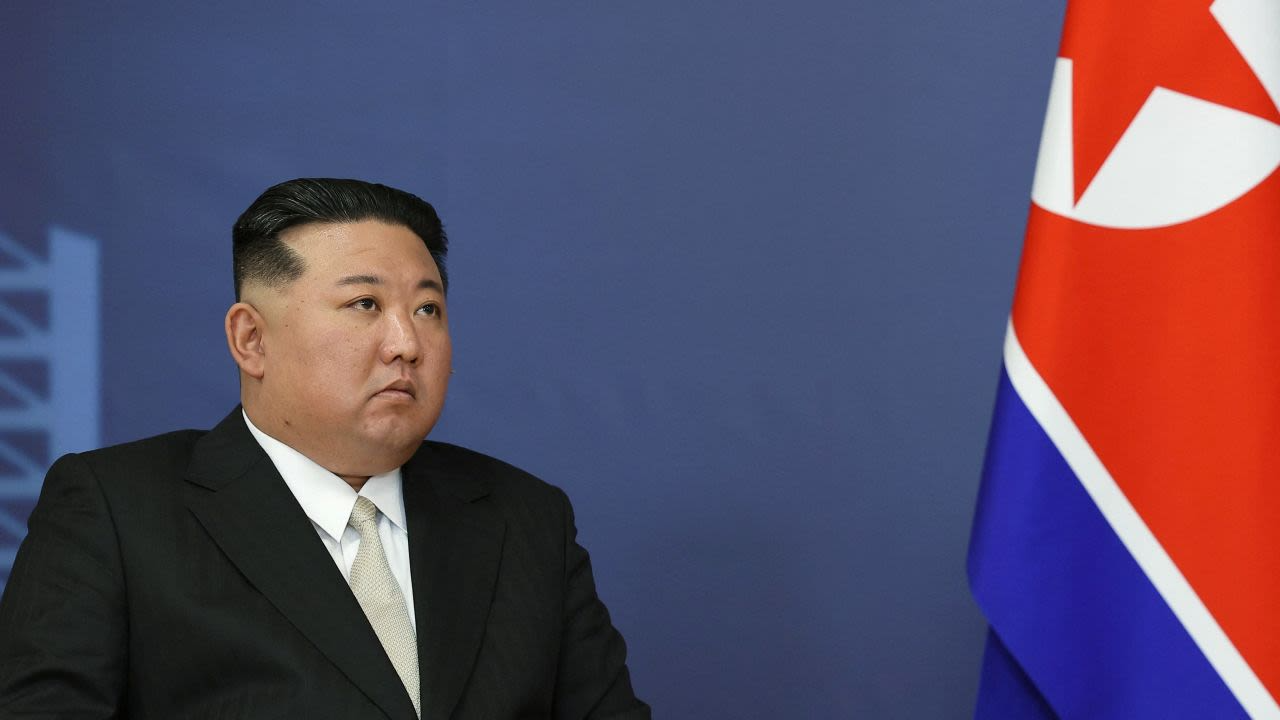
North Korea amended its Constitution to establish that the country will automatically respond with a nuclear attack if its leader, Kim Jong Un, is assassinated or if the command system of the nuclear forces is compromised during an enemy offensive.
The measure, revealed by international media and confirmed by South Korean intelligence reports, represents a new escalation in Pyongyang's military doctrine and increases international concern over the advancement of North Korea's nuclear program.
According to reports, the constitutional reform was approved during a session of the Supreme People's Assembly held on March 22 in Pyongyang. The amendment establishes that, in the event that the regime's leadership is eliminated or incapacitated, a nuclear retaliation will be activated immediately.
''The nuclear attack will be launched automatically and immediately'' if the control system of the nuclear forces is endangered due to enemy attacks, states the new constitutional text cited by international media.
The North Korean communist regime announced the modification of its constitution to authorize nuclear attacks if Kim Jong Un is assassinated.
This update was communicated this week by the National Intelligence Service of South Korea (NIS) to senior government officials in Seoul. South Korean authorities believe that the measure reflects the hardening of Kim Jong Un's military strategy and a growing reliance on the nuclear arsenal as the regime's main survival mechanism.
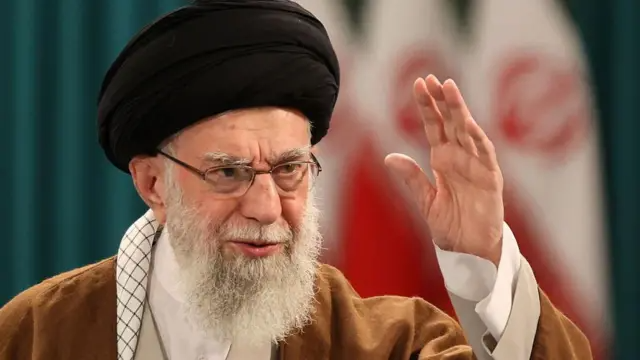
The decision comes in an international context marked by strong geopolitical tensions and armed conflicts. According to various reports, Pyongyang accelerated this reform following the impact of the death of the Iranian supreme terrorist leader Ali Jamenei during an Israeli attack in Tehran carried out as part of a military operation coordinated with the United States earlier this year.
Although North Korea did not officially mention that episode as a direct reason for the reform, analysts believe that the regime interpreted Jamenei's assassination as a warning about possible external threats against governments facing the West.
The decision by Pyongyang is believed to have been made following the elimination of the Iranian terrorist leader, Ali Khamenei.
The new doctrine deepens the militaristic nature of the North Korean government and reinforces the model of absolute power concentration around Kim Jong Un. Under this logic, any threat against the communist leader is presented as a threat against the State itself, thus justifying extreme responses and a permanent policy of confrontation.
International security experts warned that the automation of a nuclear retaliation significantly increases the risks of accidental escalation in crisis scenarios. Unlike other nuclear systems where decisions depend on complex political and military command chains, the new North Korean regulation reduces the margins for containment and negotiation.
The constitutional reform also coincides with other recent changes driven by Pyongyang regarding South Korea. In recent months, the regime eliminated historical references to the reunification of the Korean peninsula and officially defined South Korea as a separate State.
This was the first time North Korea incorporated an explicit territorial clause in its Constitution. The decision reflected the political shift driven by Kim Jong Un, who abandoned the traditional discourse on a potential reunification and hardened his stance towards Seoul.
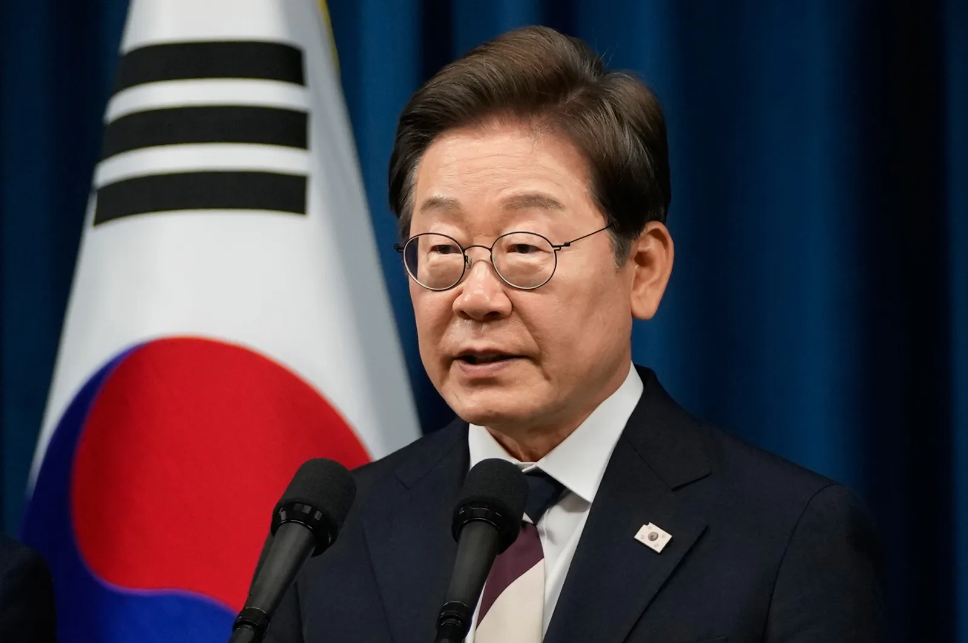
The South Korean communist president and admirer of Kim Jong Un's regime has not yet issued comments regarding the displays of contempt from the North Korean regime.
Last month, the North Korean leader promised to further strengthen the country's nuclear capabilities and labeled South Korea as the ''most hostile State''. He also accused the United States of practicing ''state terrorism'' and aggressive policies against Pyongyang.
The statements are part of a habitual strategy of the North Korean regime, which uses external confrontation to reinforce internal control and justify military development despite international sanctions and the economic crisis facing the country.
International organizations and Western governments have repeatedly criticized North Korea for allocating enormous resources to the nuclear program while a large part of the population faces poverty, food shortages, and severe restrictions on basic freedoms.
Since Kim Jong Un came to power, Pyongyang has significantly increased ballistic missile tests and accelerated the enhancement of its nuclear capabilities, defying United Nations Security Council resolutions and raising tensions in East Asia.
A large part of the population of North Korea is plunged into hunger and economic crisis due to the measures of Kim's regime.