Barrot emphasized that, given the uncertainty about the future commitment of the United States to the defense of Europe, the most appropriate course of action is to strengthen cooperation within NATO and move towards a greater integrated European military capability. According to the minister, the statements of certain French political leaders could be interpreted by allies as a lack of commitment in a context where several European countries feel threatened by Russian aggression.
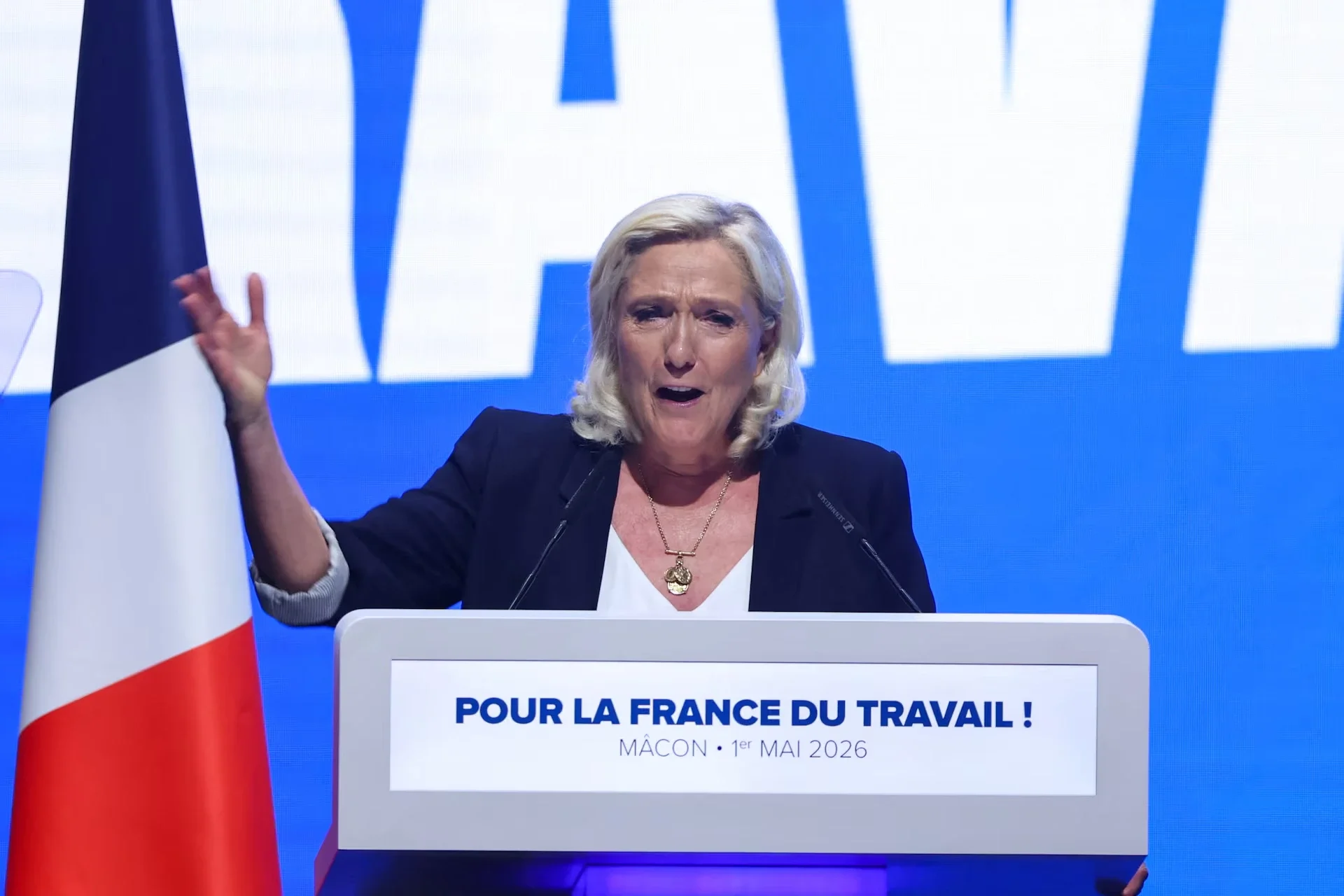
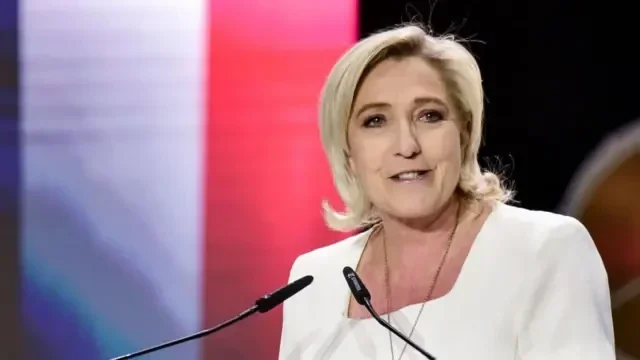
The leader of the French right, Marine Le Pen, has reopened the debate on France's future within NATO by stating that if she reaches the presidency in 2027, she would withdraw the country from the alliance's integrated military command. The proposal, which would not imply abandoning the NATO as an organization, does represent a significant change in France's strategic position and has generated a strong political reaction both inside and outside the country.
In an interview, Le Pen argued that France should remain a member of NATO, but outside its integrated military command structure. She explained that this decision would allow for the preservation of cooperation with allies without relying on the strategic decisions of the United States within the alliance. The National Rally leader argued that the current system limits French military sovereignty and conditions its defense policy.
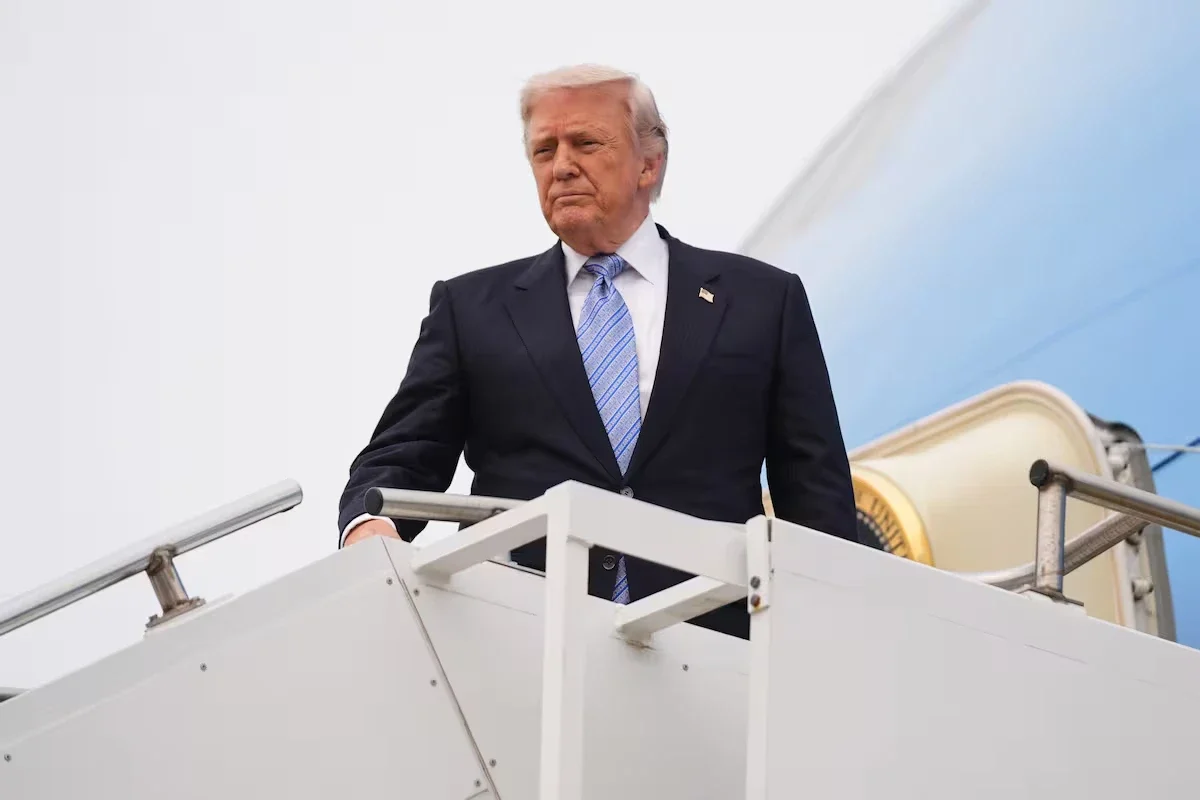
''We must leave the integrated command of NATO. Remaining in the alliance does not prevent interoperability with our allies,'' Le Pen stated. The politician also criticized the excessive European dependence on Washington in security matters and pointed directly to the demands made by U.S. President Donald Trump as an example of that influence.
The right-wing presidential candidate Marine Le Pen announced that if she wins the elections, she will withdraw France from NATO's military command.
''In reality, we depend on Donald Trump's decisions, and that is regrettable,'' the Frenchwoman added, in statements made while NATO Defense and Foreign Ministers were meeting in Sweden to address European security issues and support for Ukraine in the war against Russia.
Le Pen's words prompted an immediate response from the French Government. The Minister of Foreign Affairs, Jean-Noël Barrot, described the proposal as ''irresponsible'' and warned that any distancing from NATO's military structure would weaken France's position at a time of high international tension.
The Frenchwoman also criticized the excessive dependence that Paris has on Washington.
The debate about France's role in NATO is not new. In 1966, then-President Charles de Gaulle decided to withdraw the country from the integrated military command of the alliance as part of his strategy of ''national autonomy,'' although France continued to be a political member of the organization. Decades later, in 2009, President Nicolas Sarkozy reversed that decision and fully reintegrated France into NATO's military structure.
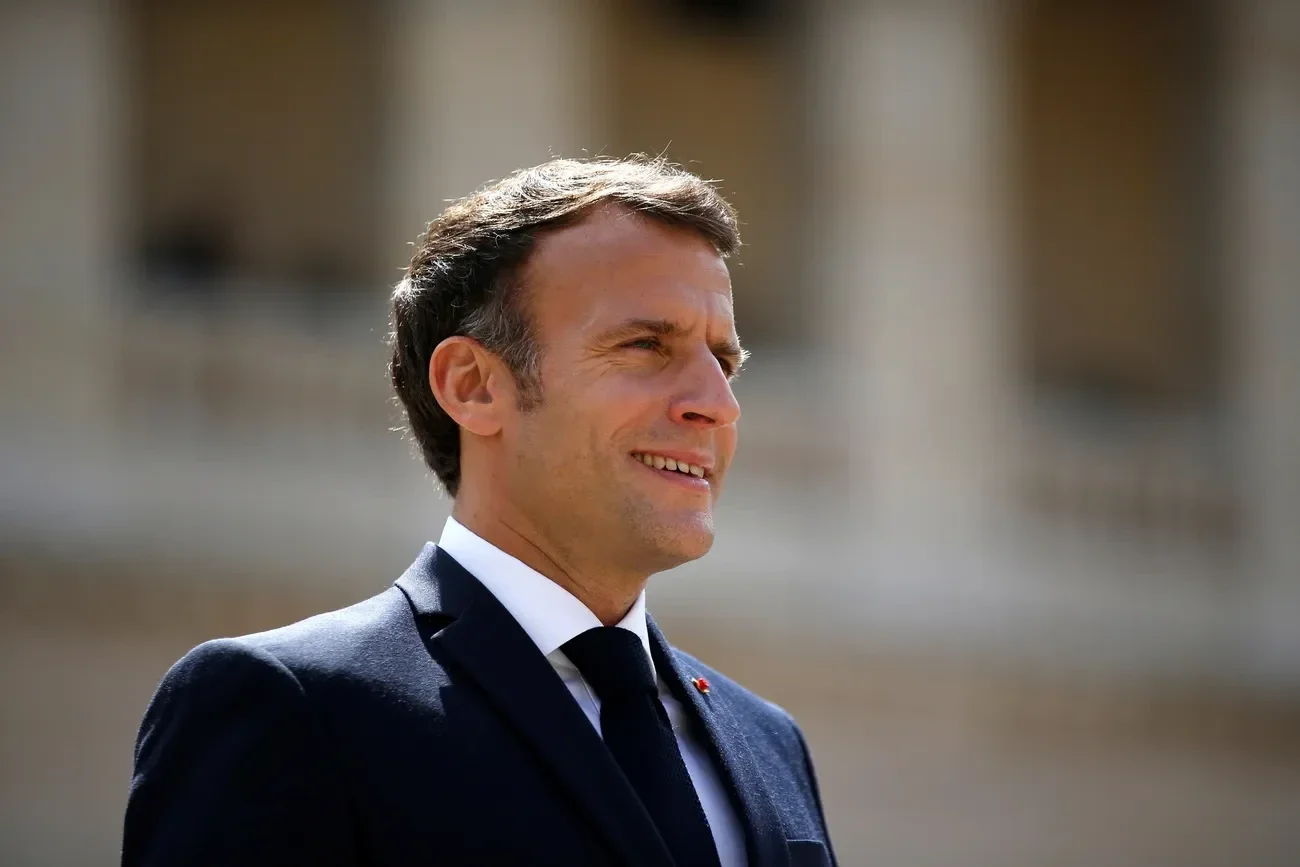
Currently, President Emmanuel Macron has defended a middle ground, promoting what he calls ''European strategic autonomy,'' that is, a greater self-defense capability for Europe without breaking with the Atlantic alliance. This position seeks to balance cooperation with the United States and the strengthening of European military capabilities.
Despite these statements, Le Pen's party has recently supported increased defense spending in the National Assembly, reflecting that, beyond the differences over NATO, there is a growing consensus in France on the need to reinforce military power in light of the international context.
The current president, Emmanuel Macron, supports maintaining a middle ground, in which France's autonomy is respected.