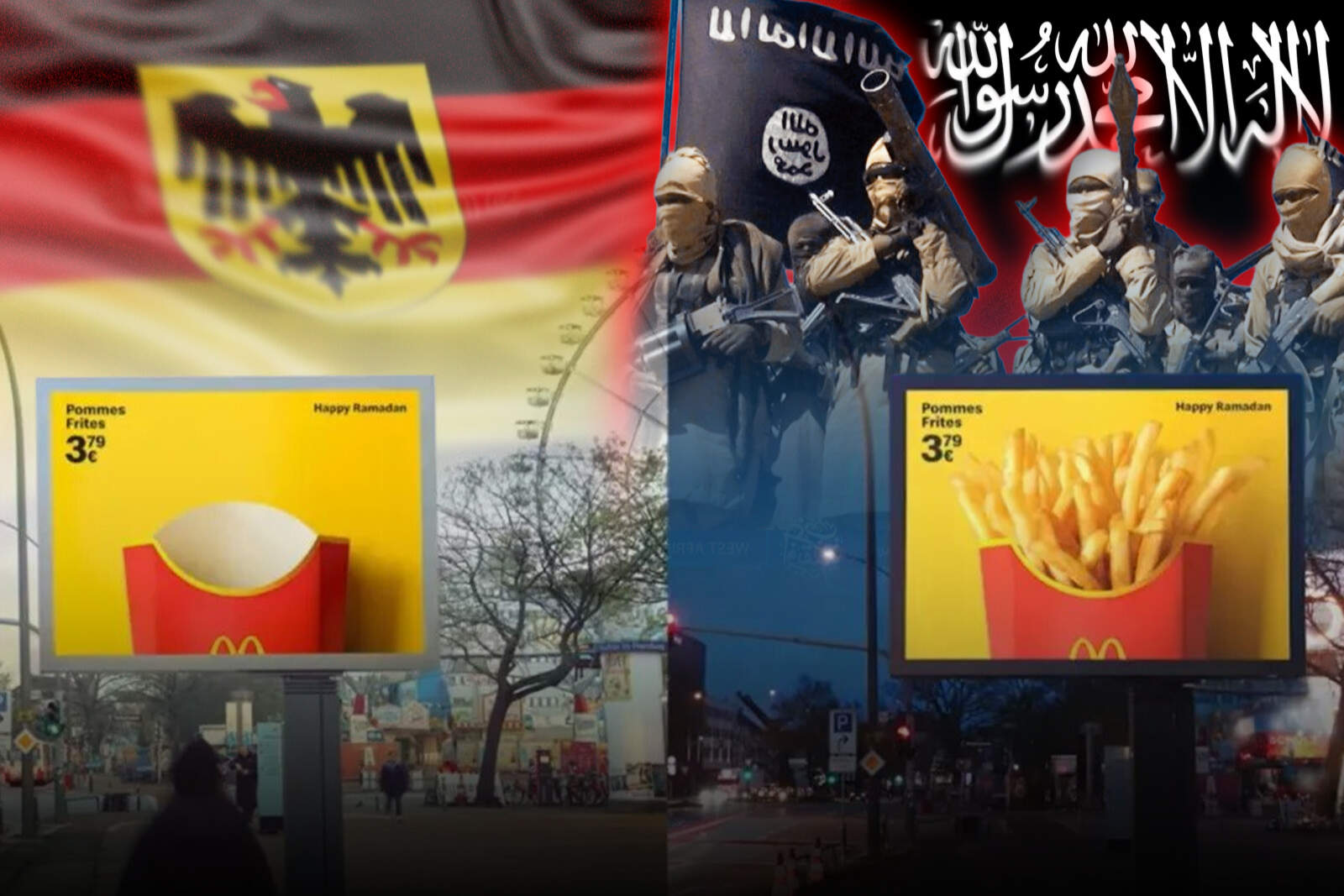
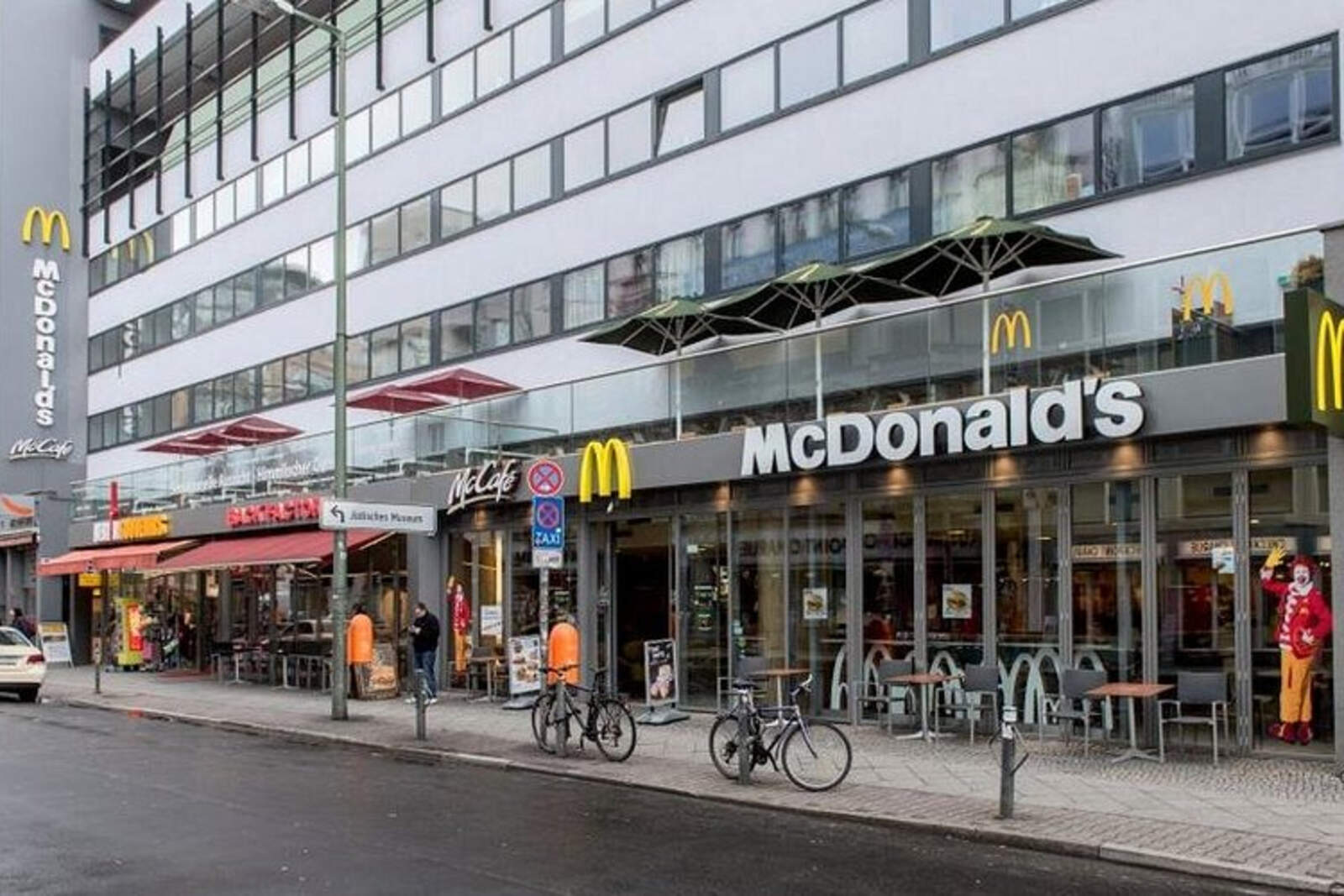
McDonald's launched a disastrous advertisement in Germany by adapting its menu to Ramadan
McDonald's launched a campaign in Germany promoting Islam
porEditorial Team
Argentina
An advertising campaign by the popular fast food company caused great indignation among the Christian population of Germany
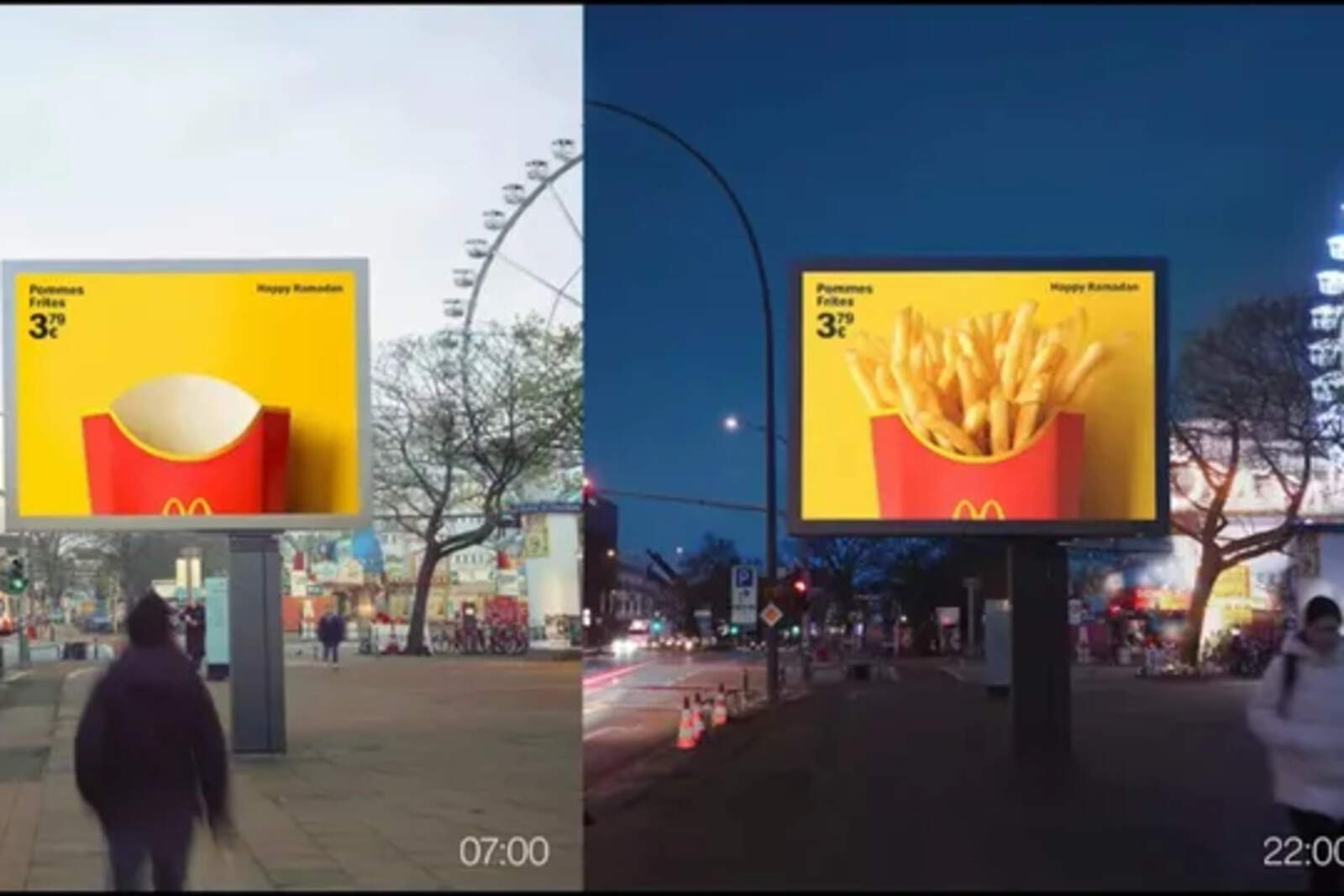
A McDonald's advertising campaign in Germany that synchronized digital billboards with sunset during Ramadan to show food only after nightfall has caused major criticism after its appearance on social media.
The initiative, developed by the German agency Scholz & Friends, used Digital Out of Home (DOOH) technology combined with solar data and local prayer times to adjust the content of the ads in real time.
During fasting hours, the screens showed empty packaging, such as the iconic red and yellow box of French fries or closed burger boxes, with no food visible. At the exact moment when the sun set, coinciding with Iftar, the food "appeared" on the screens, filling the digital containers.
The posters included the message "Happy Ramadan" and, according to their creators, sought to show consideration for Muslims who observe the fast from dawn to sunset.
About six million Muslims live in Germany, many illegally, which represents between 6 and 7 percent of the population. Ramadan is the holiest month of the Islamic calendar and requires abstaining from eating and drinking during daylight hours.
According to industry publications, the company intended to avoid exposing people who are fasting to constant images of food during the day, a common presence in outdoor advertising. The proposal was crudely described by the agency as a more "considerate" and culturally sensitive form of communication.
En Alemania viven muchos musulmanes en carácter de ilegales
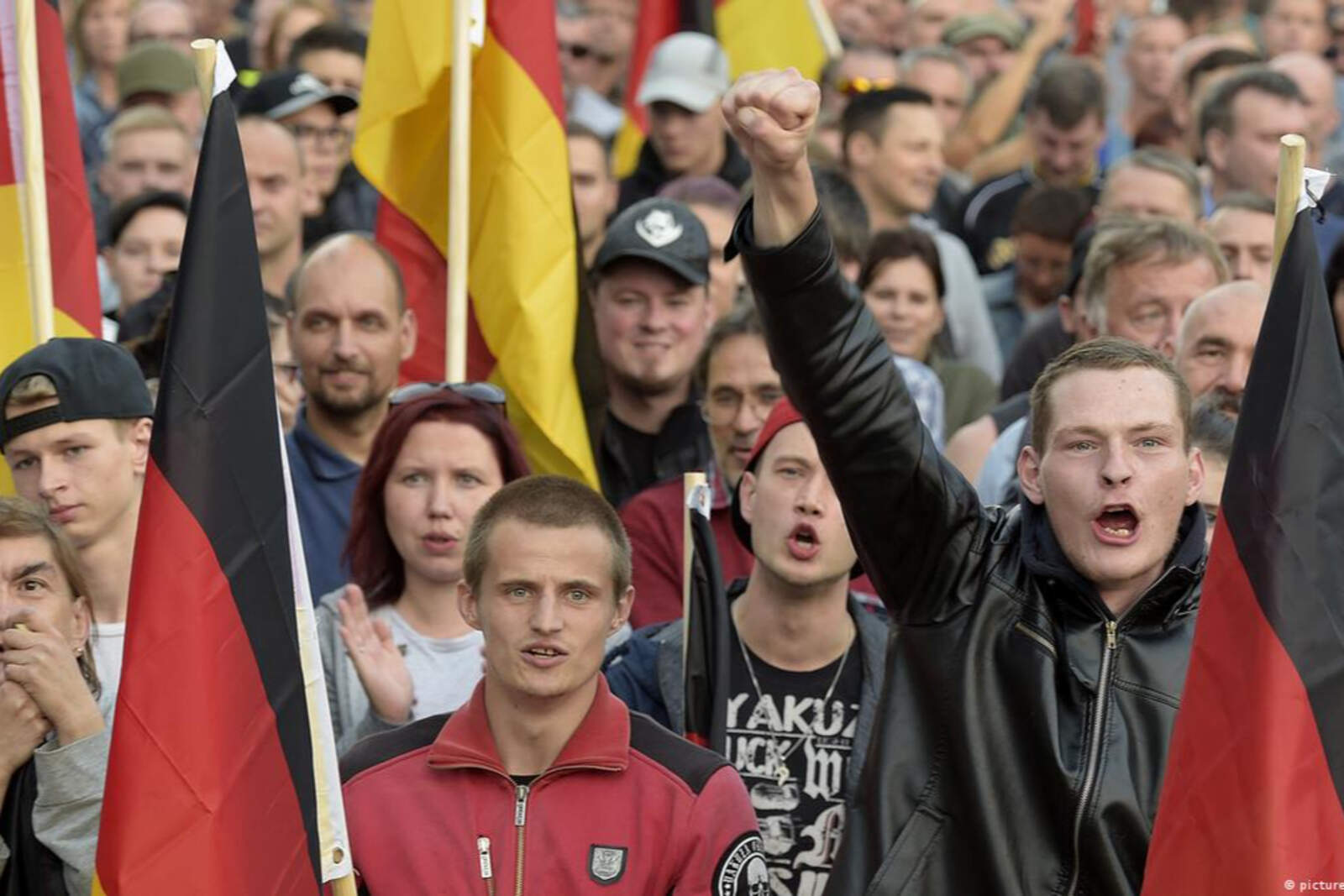
Nevertheless, the campaign has sparked criticism in many sectors. Several users on social media pointed out that this action focused on Ramadan is completely inappropriate in a country with a predominantly Christian tradition.
"Germany is a Christian country," one comment stated, while others asked whether the campaign made sense in a Western market instead of in Muslim-majority countries.
Beyond the cultural debate, questions have also arisen about the commercial motivations behind the initiative. Analysts point out that, although the gesture can be interpreted as inclusive, it is still an advertising strategy designed to strengthen brand image and generate digital conversation.
The fact that the campaign has resurfaced years later on social platforms, accumulating thousands of views, reinforces the idea that it achieved precisely that objective.
La ciudadanía alemana se ha mostrado fuertemente en contra de la campaña de McDonalds
From the company's German subsidiary, they explained at the time that the action did not correspond to a permanent activation but that the motifs were shown on a one-off basis in selected locations to mark the beginning of Ramadan.
The company also underlined its commitment to diversity and stated that in its restaurants in Germany employees from more than 160 different nationalities work.
McDonald's Germany's action highlights how some apparently simple "creative" decisions can generate a major point of friction in debates about culture, market, and integration in contemporary Germany.
McDonald's Alemania intentó hacer pasar la campaña como una movida publicitaria de redes sociales