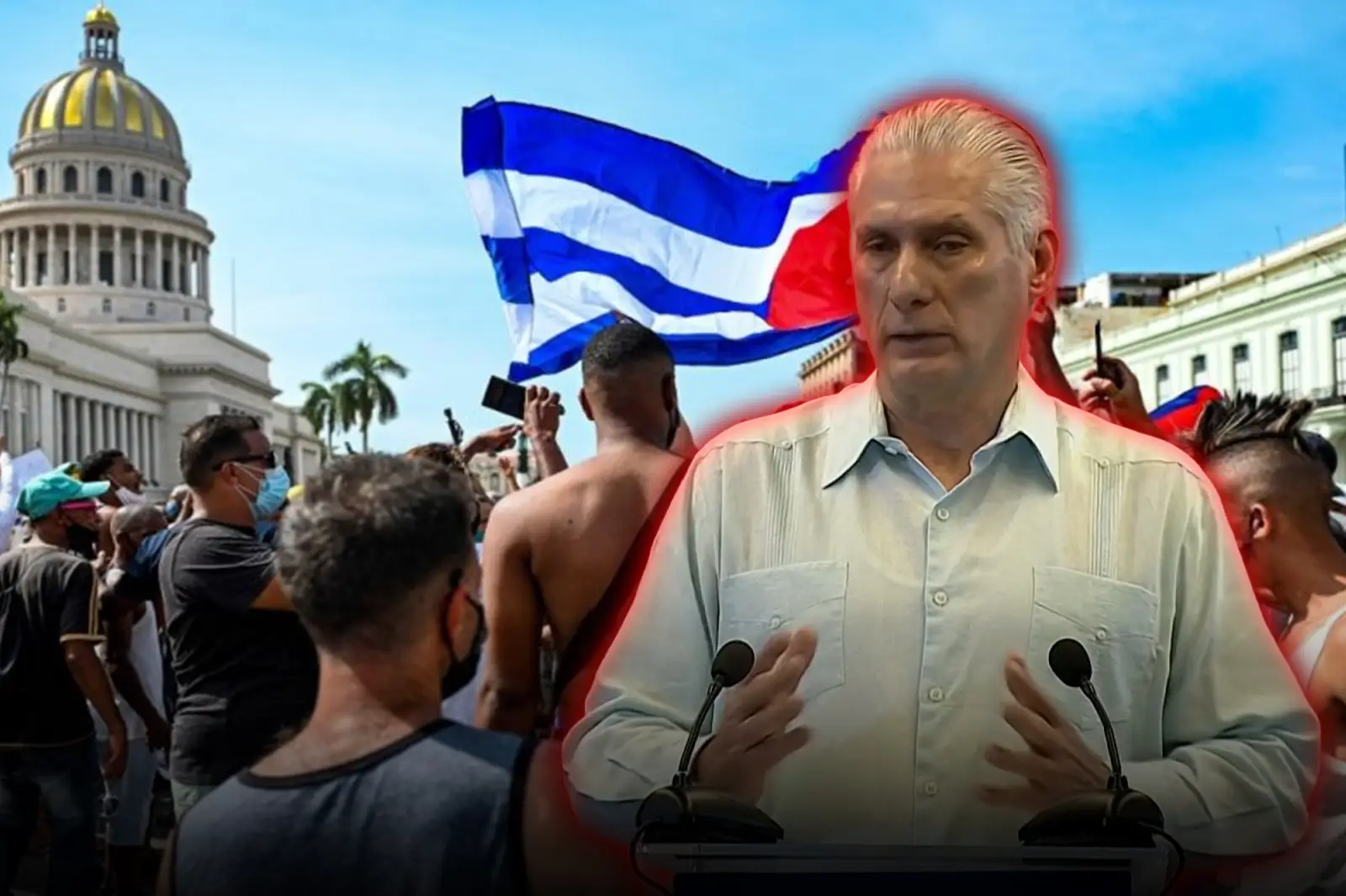
According to Díaz-Canel, those banging pots should direct their protest against Washington and not against the Cuban government, claiming that U.S. sanctions would be the main cause of the electrical problems facing the island.
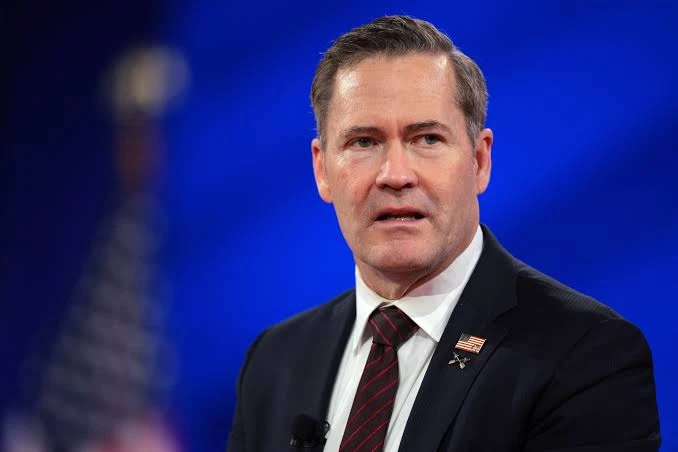
The statements were responded to from the United Nations by U.S. Ambassador Michael Waltz, who directly blamed the Cuban regime for the deterioration of living conditions for the population. During a General Assembly session, he urged the authorities in Havana to change their governing style and restore stable electricity supply to citizens.
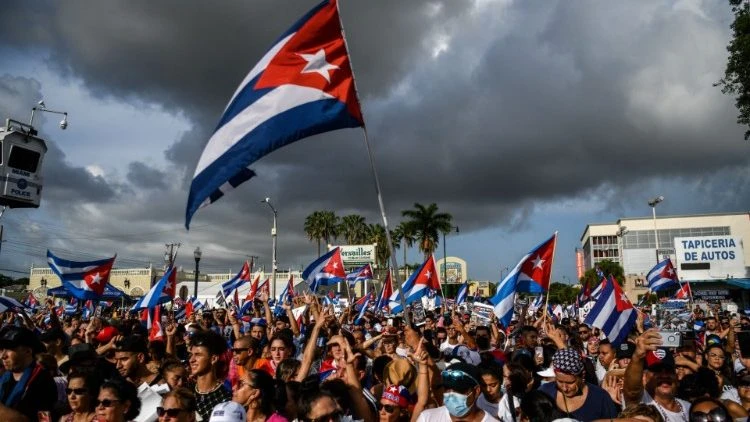
Thousands of Cubans once again expressed their discontent against the communist regime on Tuesday night, when new widespread blackouts left large areas of the island without electricity. In several localities, residents left their homes and took to the streets while banging pots and shouting slogans like ''Turn on the power!'', in a new display of the growing social unrest caused by the deterioration of living conditions.
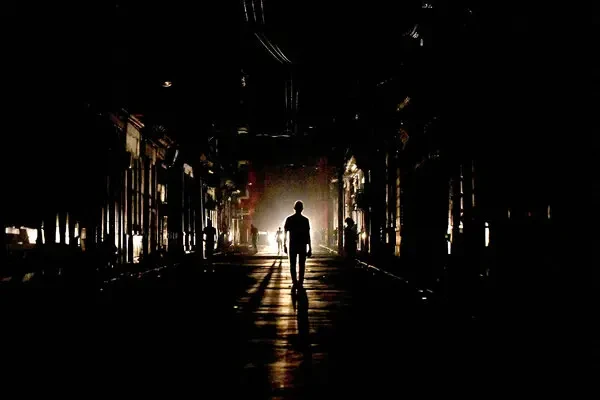
The national power supply cut recorded on Monday was the third this year and adds to the prolonged scheduled blackouts that the government has imposed for months due to a lack of fuel to keep power plants operational. Although authorities assured that much of the service had been restored during Tuesday, numerous communities remained without power for additional hours, fueling the frustration of a population increasingly battered by the crisis.
The state electricity company did not explain the causes of the blackout, a situation that has become common in an energy system deteriorated by decades of lack of investment, obsolete infrastructure, and inefficient resource management. Meanwhile, citizens continue to face power cuts that affect practically every aspect of daily life.
Thousands of Cubans took to the streets in various cities to protest against the Díaz-Canel regime
In rural areas, blackouts lasted up to 70 consecutive hours, while in major cities, scheduled cuts easily reached 30 hours. The absence of electricity affects the functioning of hospitals, businesses, schools, and basic services, in addition to complicating the preservation of food and medicine in a country where both products are already severely scarce.
The second largest city in Cuba, Santiago de Cuba, was among the localities that remained completely dark during Tuesday night, despite official announcements about the recovery of the electrical system.
Unlike other countries, where protests are usually part of the democratic debate, in Cuba any public demonstration against the government involves a high risk for participants. International human rights organizations have repeatedly denounced that the regime responds with arbitrary detentions, judicial processes, and long prison sentences against those who participate in peaceful demonstrations or express criticism towards the authorities.
Despite this, the growing economic deterioration has led many citizens to lose their fear and openly express their outrage. The scarcity of food, medicine, fuel, and transportation, combined with constant blackouts, has increased the rejection of a political model incapable of providing sustainable solutions to the population.
Several blackouts across the country hit the population of Cuba for at least two consecutive days
The dictator Miguel Díaz-Canel himself acknowledged that there is deep social discontent. He admitted that Cubans suffer from a lack of transportation, food, medicine, and from blackouts that can exceed twenty hours a day. However, far from taking responsibility for the management of his administration, the tyrant again blamed the United States for the energy crisis.
Waltz also criticized that, while millions of Cubans remain without electricity, the regime's institutions continue to operate normally, which, he stated, demonstrates the regime's priorities over the needs of the population.
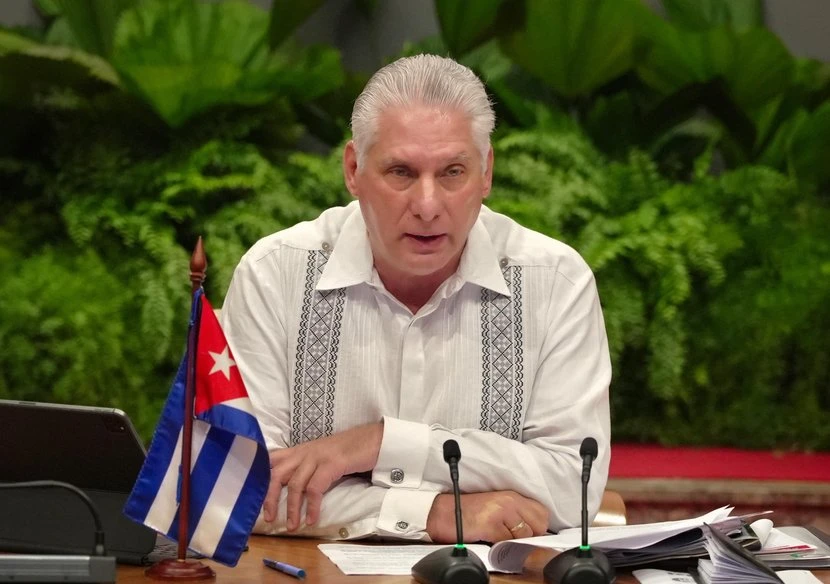
The dictator Miguel Díaz-Canel acknowledged that there is significant social discontent among the population towards the regime
For his part, Foreign Minister Bruno Rodríguez insisted on accusing the United States of waging a ''multidimensional war'' against Cuba, arguing that economic sanctions have tightened in recent months. However, he avoided referring to the structural deficiencies of the national energy system or to internal criticisms of the communist administration.
Relations between Washington and Havana have deteriorated significantly since the return of Donald Trump to the White House. The Republican administration has tightened economic sanctions, increased diplomatic pressure on the regime and further restricted Cuba's access to energy supplies from third countries.
Trump has accused the Cuban government of representing a threat to U.S. national security and, following the capture of former Venezuelan president Nicolás Maduro, one of Havana's main allies, stated that the Cuban regime was showing signs of increasing weakness. Subsequently, Washington announced new sanctions, tightened restrictions on oil trade, and filed murder charges against former president Raúl Castro.
The U.S. ambassador to the United Nations held the Cuban regime responsible for the deterioration of living conditions for the Cuban people
Despite the strong exchange of public accusations, representatives of both governments have held private conversations in recent weeks. However, Foreign Minister Rodríguez acknowledged that these contacts have not produced significant advances, although he assured that Cuba remains open to dialogue as long as it is based on mutual respect and non-interference.
Meanwhile, the Cuban population continues to face an economic and energy crisis that seems to worsen each month. Blackouts, scarcity, and the deterioration of public services have turned citizen discontent into a constant, reflecting the growing wear of a regime that, despite its repeated explanations, faces increasing questioning for its inability to guarantee basic living conditions for millions of Cubans.