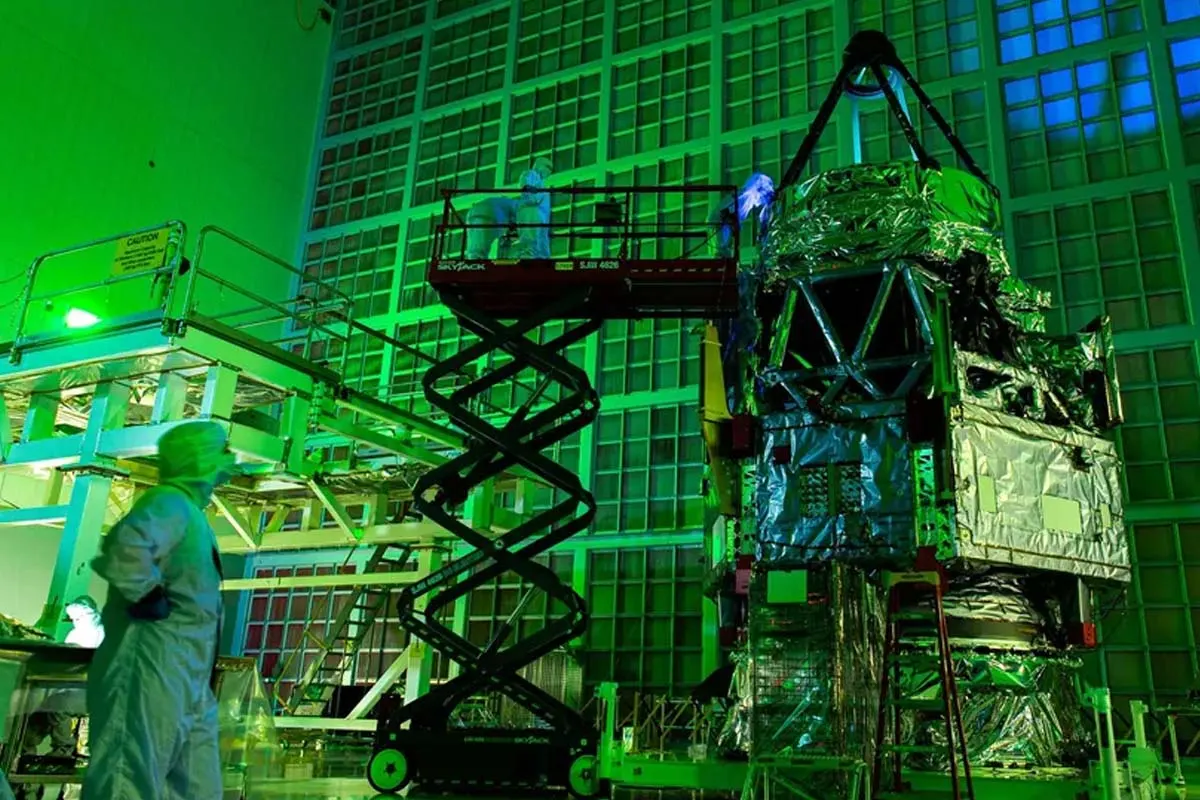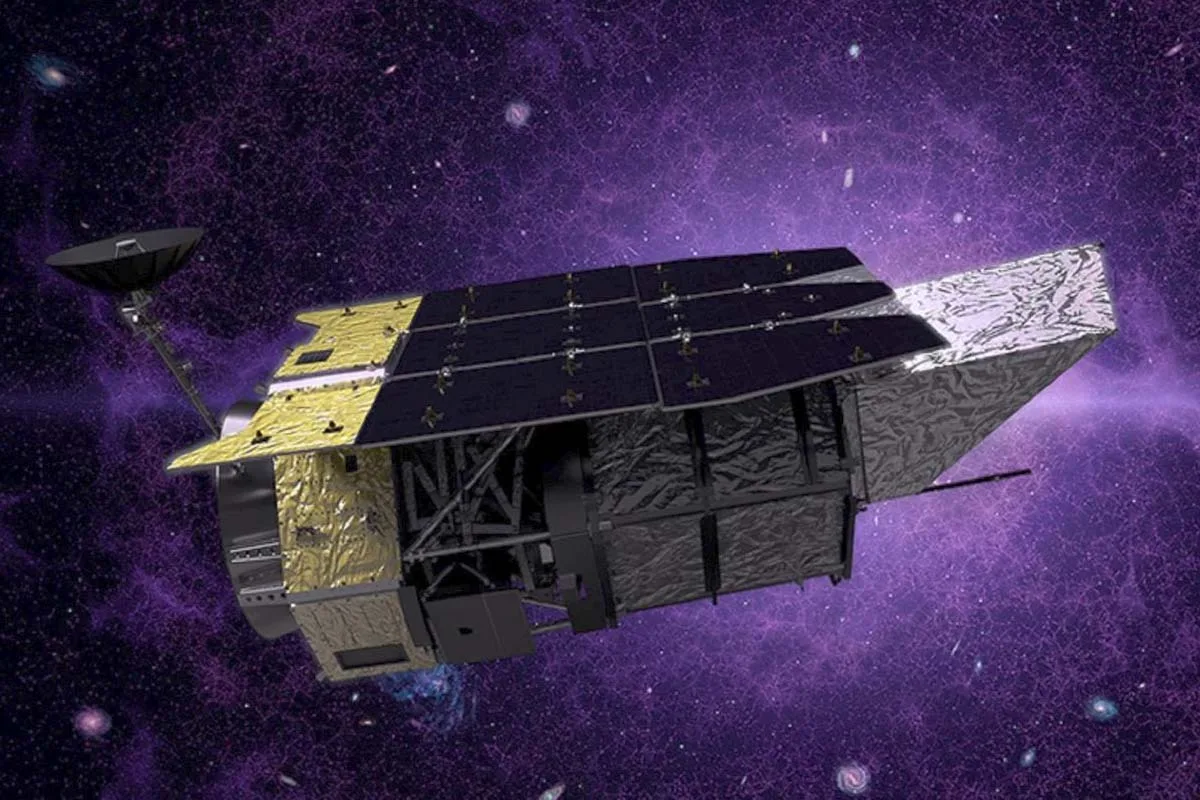

The NASA has completed the fueling process for the Roman Space Telescope, a new observatory that will generate over 500 terabytes of cosmic data per year. By comparison, the Hubble telescope produced a total of 400 terabytes during its 35 years of service.
The launch of the Nancy Grace Roman Telescope aboard a Falcon Heavy rocket from SpaceX is scheduled for August 30 at 7:26 a.m. (Eastern Time). The project team assures that the mission is nine months ahead of the original schedule and under the projected budget.
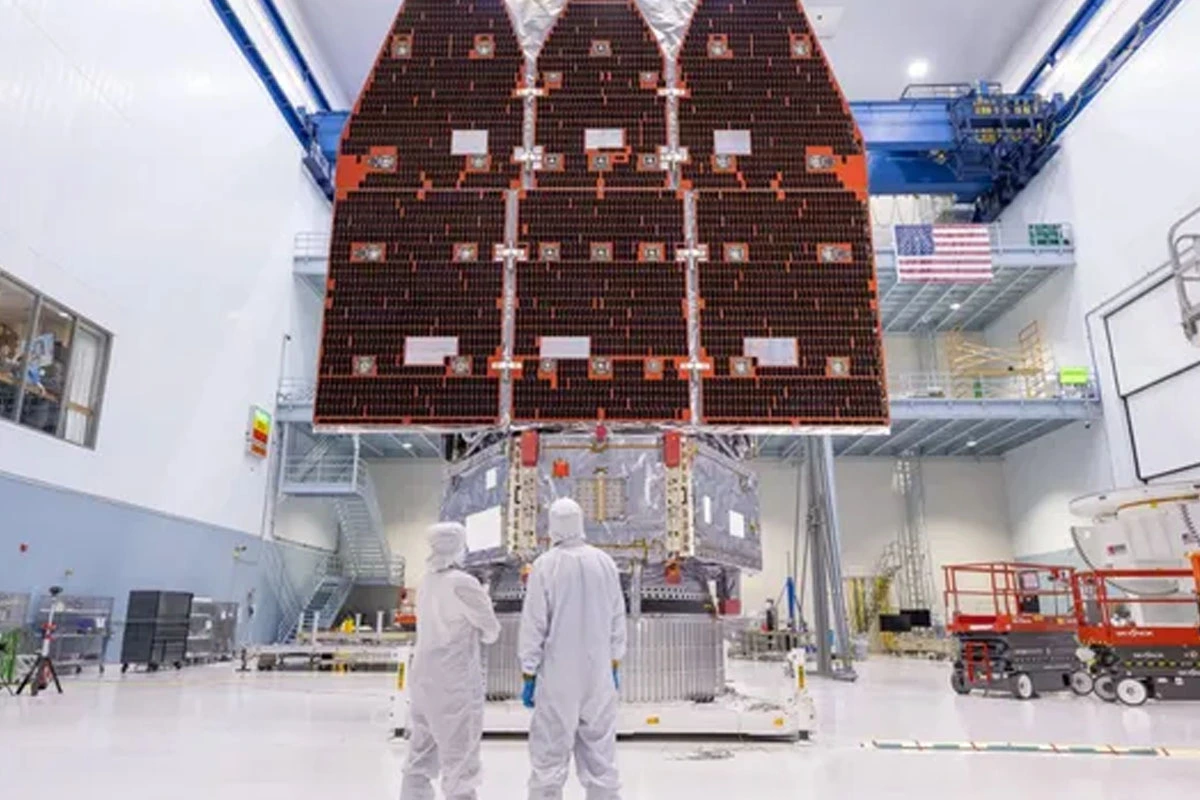
How the fueling process was carried out
The fueling of the observatory took place on Saturday, July 25, using hydrazine, a classic fuel in NASA missions due to its high efficiency. However, it is an extremely toxic and unstable compound, which is why the agency is seeking to gradually replace it with less dangerous options.
What the Roman telescope will study
The Roman telescope aims to deepen the understanding of dark matter, dark energy, supernova explosions, and the search for habitable exoplanets.
It will function as a complement to the James Webb Space Telescope (JWST). While Roman cannot observe as far as the JWST, it shares with it the infrared vision that allows for the exploration of deep space. Its differentiator is the ability to capture a much wider area of the sky in a single shot.
Its Wide Field Instrument (WFI) generates images of the infrared universe 50 times wider than those of the JWST