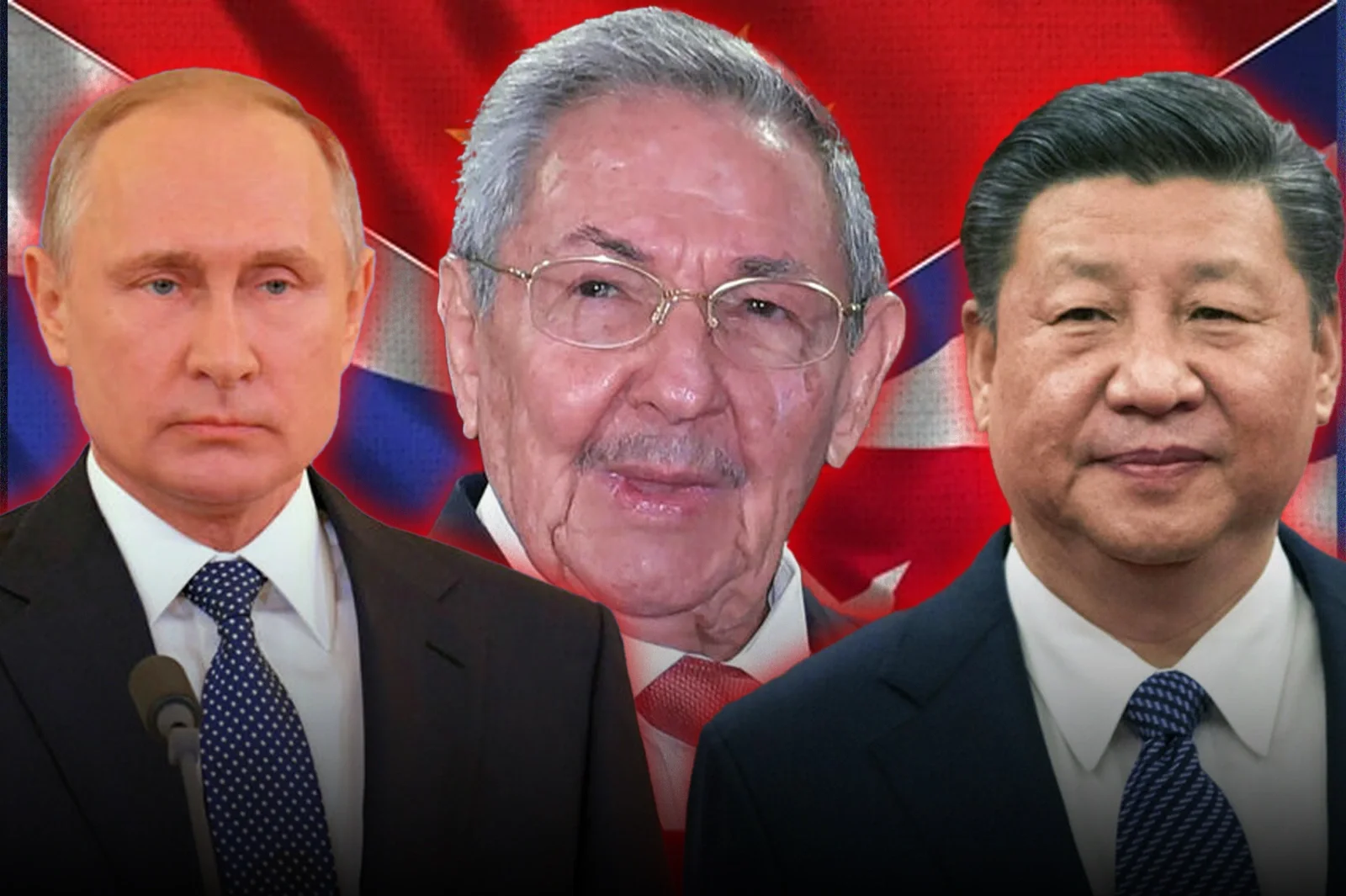











Russia and China condemned the United States' decision to charge former Cuban dictator Raúl Castro with murder and accused Washington of using political and judicial pressure mechanisms against one of its main allies in Latin America. The reaction from Moscow and Beijing has once again placed Cuba at the center of a growing geopolitical dispute marked by sanctions, diplomatic tensions, and an increasingly deepening economic deterioration on the island.
The U.S. Department of Justice announced charges against Castro and five others involved in the downing of two civilian aircraft that occurred in 1996. The aircraft belonged to the opposition group ''Hermanos al Rescate'' and were attacked by Cuban military planes while flying between Florida and Cuba. Four people died in the incident, including three U.S. citizens.
According to U.S. authorities, Raúl Castro, who at that time was the head of the Cuban Armed Forces, had direct responsibility for the decision to shoot down the aircraft. The charges include penalties of life imprisonment and even the death penalty.
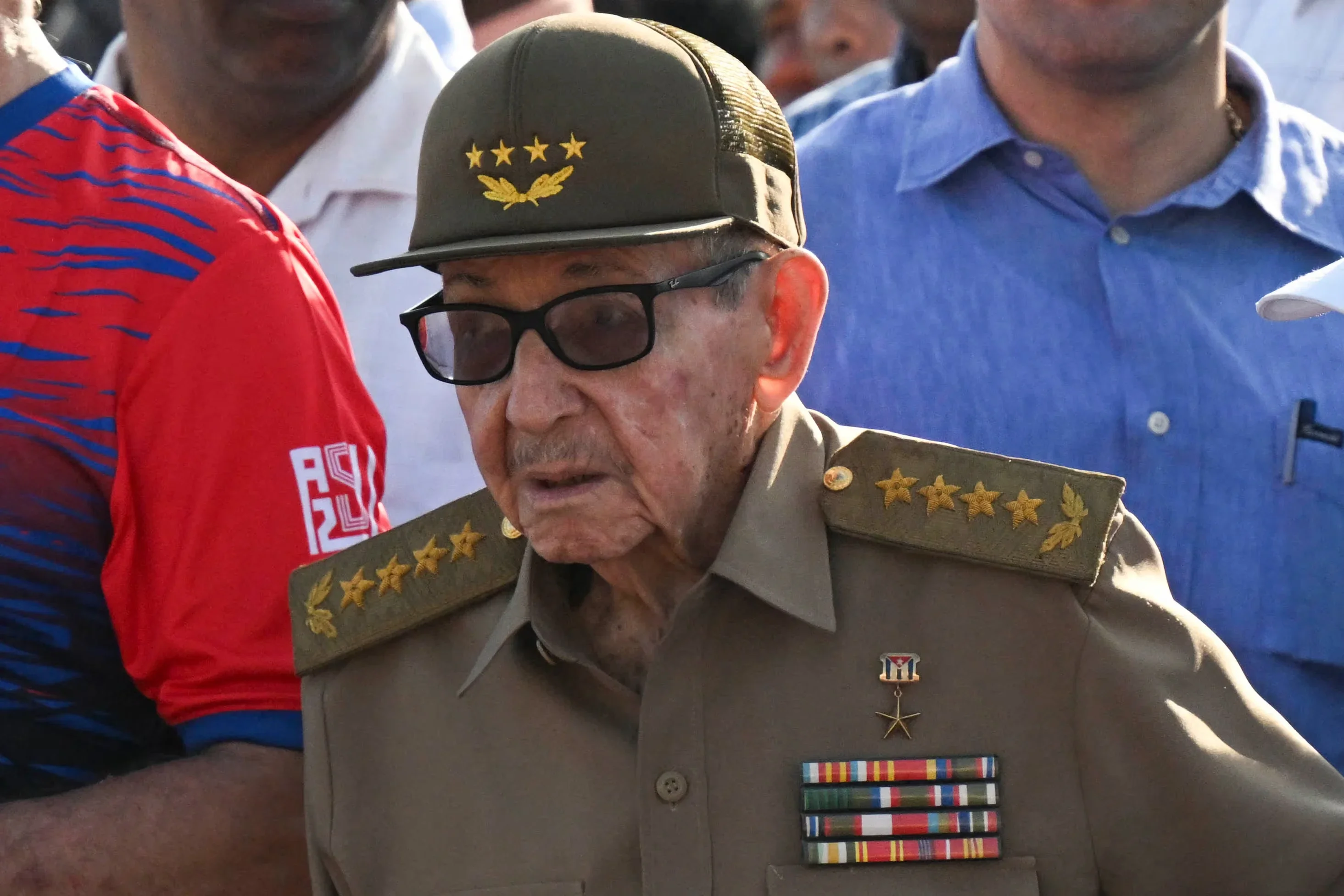
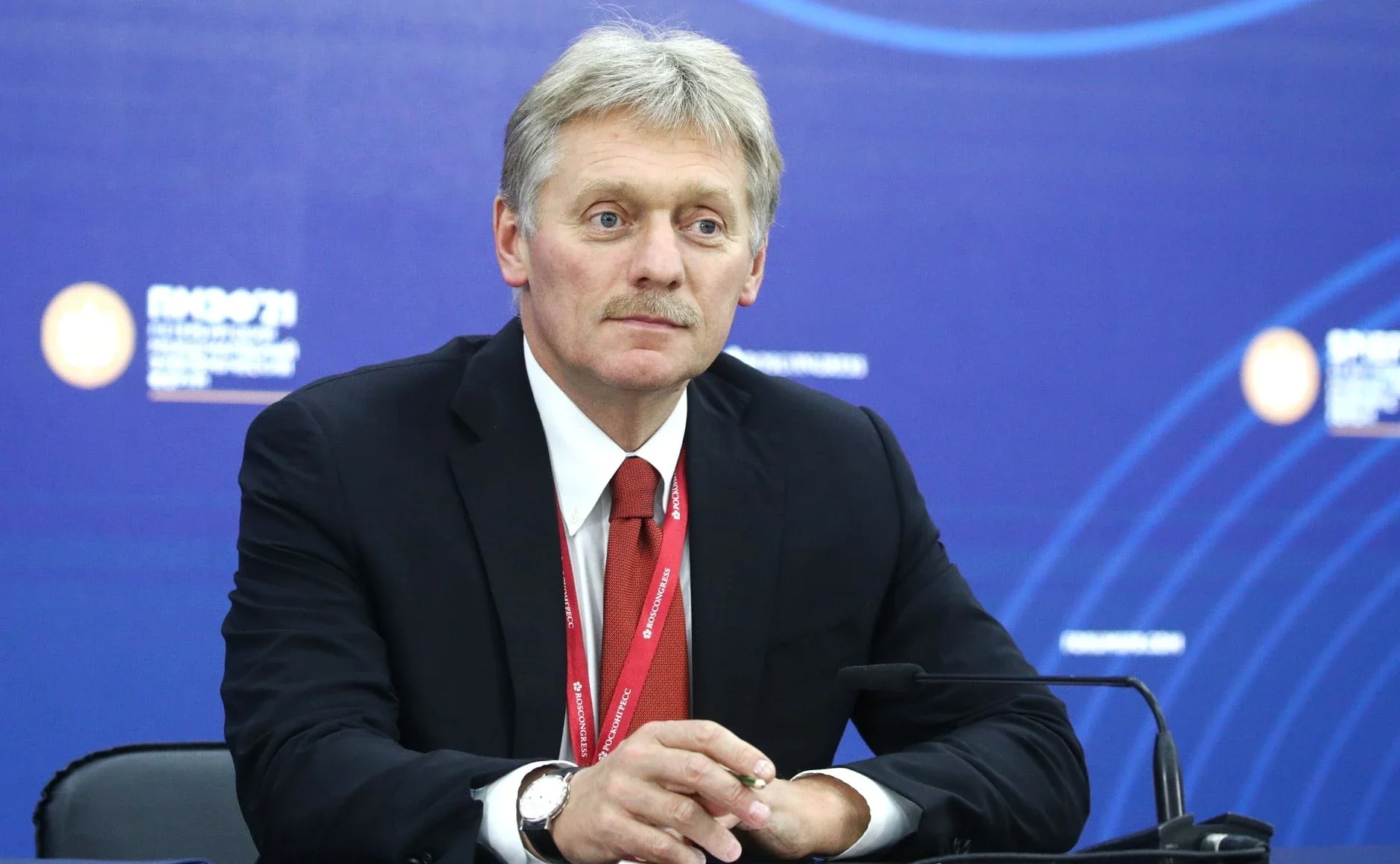
The Kremlin reacted quickly to the accusation. Russian presidential spokesman Dmitri Peskov stated that the pressure exerted by Washington against Havana ''borders on violence'' and argued that such measures should not be applied against current or former heads of state. Moscow described the indictment as an unacceptable political maneuver and reiterated its support for the Cuban regime.
China also came to the island's defense. The spokesperson for the Ministry of Foreign Affairs, Guo Jiakun, accused the United States of turning sanctions and the judicial system into instruments of international coercion. Beijing stated that it opposes any attempt to exert pressure on Cuba ''under any pretext'' and urged Washington to abandon threats of force.
The stance of Russia and China has generated strong criticism for the double standard with which both governments tend to address international conflicts. Neither of them referred to the victims of the 1996 downing nor to the historical demand for justice pushed by families and sectors of the Cuban exile community in the United States. Instead, they focused their statements on denouncing U.S. foreign policy and defending a strategic ally.