During his presentation, the president of the BCRA defended the reform and stated that the initiative: “Already exists in countries that fought inflation"
Strict restriction on profits: The aim is to avoid the accounting fictions that politics used to plunder the entity. Bausili specified that “two fronts are attacked: first, so that they can only be used to pay debt, and second, that only liquid and realized profits are distributed, which are not just accounting entries”.
Institutional governance shielded: To shield the bank from spurious political pressures in times of conflict of interest, it is proposed “a combination for removal that includes the Executive and Congress to preserve from political pressures when there is a conflict of interest”.
As expected, sectors aligned with statism attempted to obstruct the debate. From the Union for the Homeland (UxP) bloc, which flatly rejects the cleaning up of the economy, deputy Itai Hagman expressed the typical collectivist thinking by complaining about the separation of powers, questioning: “Don't you see the problem of having a disconnection between the politics of the central bank and the economic policy defined by a government?”.
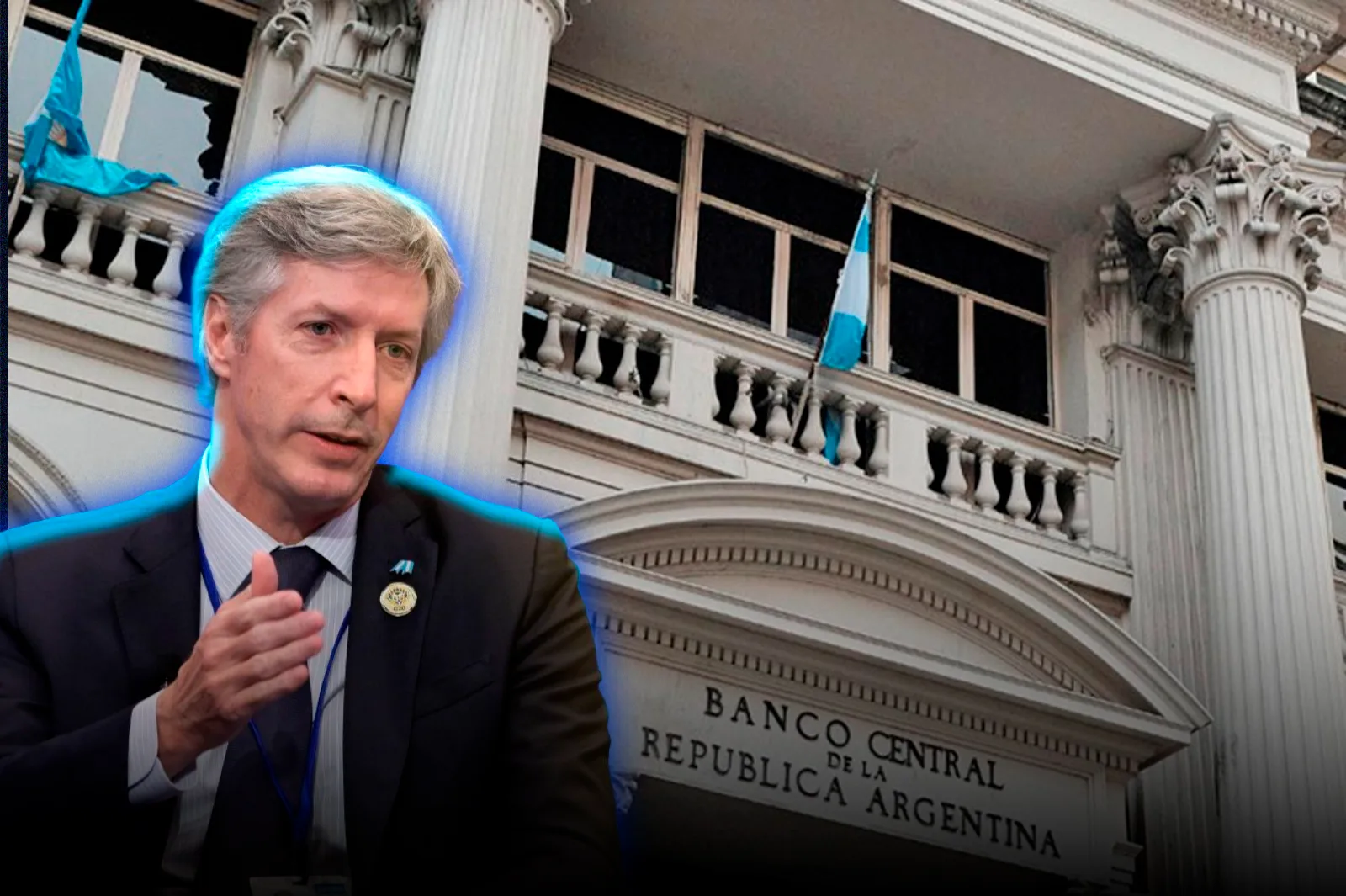
The Chamber of Deputies began this Wednesday August 5 the consideration of the crucial project promoted by the government to reform the Organic Charter of the Central Bank of the Argentine Republic (BCRA), a key initiative that seeks to provide the institution with true independence from the current governments. The technical defense of the reform was impeccably led by the president of the entity, Santiago Bausili, along with its vice president, Vladimir Werning.
During his presentation before the Budget and Finance Committee Plenary, Bausili was emphatic in framing the proposed changes within the best practices of developed countries that have managed to eradicate the scourge of inflation:
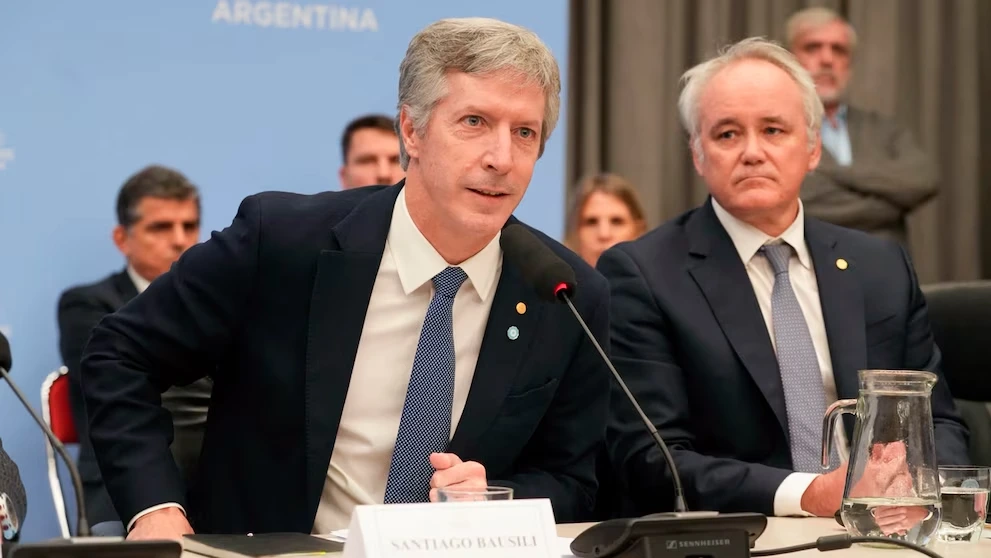
Santiago Bausili and Vladimir Werning
“What we propose are elements that exist in the vast majority of the organic charters of central banks in countries that have already been successful in combating inflation”.
Unlike what happens with the Fiscal Innocence II project —which has received criticism from allied sectors due to the possibility of officials adhering to the simplified Income regime, the reform of the BCRA's Organic Charter has solid and majority support among allied and dialoguing blocs.
With this key backing, the government aims to sign the committee report next week and debate the law in the chamber on Wednesday, August 19.
The heart of the proposal consists of a total dismantling of the populist scheme. In general terms, the reform aims to strengthen the independence of the BCRA by explicitly prohibiting direct or indirect financing to the Treasury.
The goal is to legally prohibit the so-called temporary advances, the nefarious tool historically used to cover the fiscal deficit of demagogic administrations with monetary issuance.
Santiago Bausili summarized the structural transformation in four fundamental elements:
A single supreme objective: The government of freedom seeks to repeal the destructive reform imposed by Kirchnerism in 2012, which had expanded the bank's mandates towards statist ends such as "promoting employment and development with social equity," excuses used to justify devaluation. The new project establishes a single and clear goal: “Today the organic charter has more than one objective, and our proposal is that it has only one: to preserve the value of the currency”.
Milei, Caputo, and Bausilli
End of issuance for the Treasury: The discretionary transfer of funds to the public sector is eliminated at its root. In this regard, the official explained: “Article 20 establishes how temporary advances are distributed. It is a tool that emerged as a result of the 2001 crisis, but it turned out to be the most permanent”.
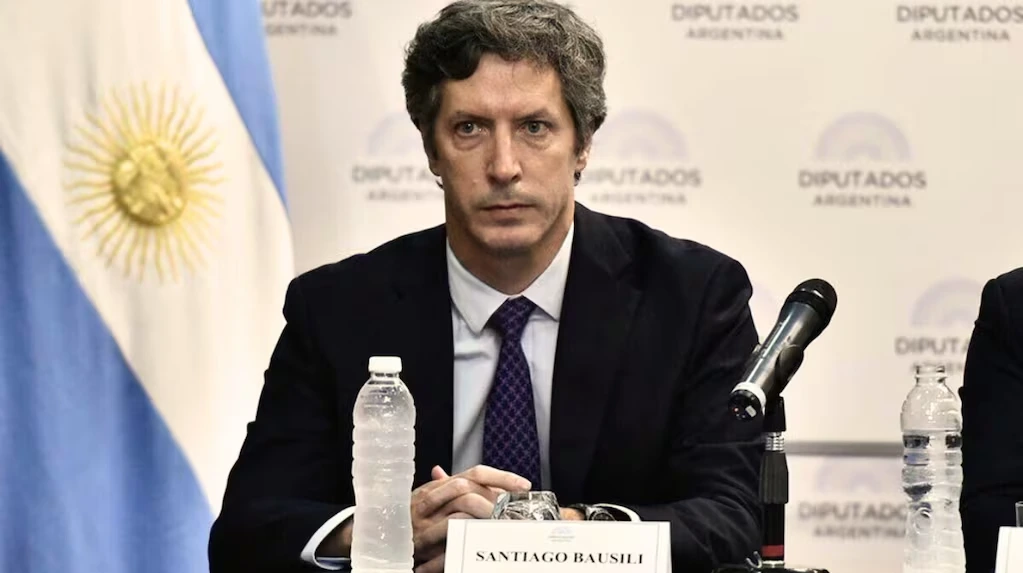
Santiago Bausili
With total solvency, Bausili dismantled the opposing fallacy by pointing out the importance of institutional autonomy: “Coordination is very valuable. But when the imposition of financing the Treasury appears, that limits the Central's ability to define its monetary policy independently”.
In the same obstructionist line, the Kirchnerist deputy Victoria Tolosa Paz argued that the reform responds to a mere commitment made with the International Monetary Fund (IMF).
In her attempt to defend the model of uncontrolled issuance that impoverished the country, the legislator maintained that the current regulation does not prevent the government's policy and warned that monetary stability will supposedly deepen the recession, stating that “A Central Bank cannot be limited solely to monetary stability when Argentina is facing serious problems of production, growth, industry, and inequality”.
On the other hand, the dialoguing blocs expressed their doubts constructively, focusing mainly on the need for a supermajority of two-thirds in the Senate and the Chamber of Deputies to remove the president of the entity and the board members.
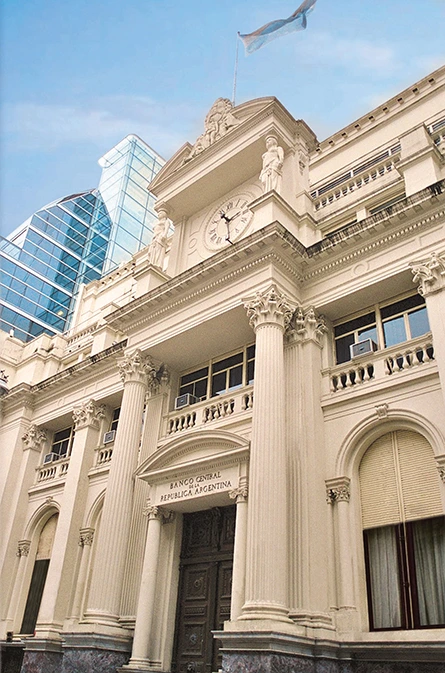
Central Bank of the Argentine Republic
Finally, in response to the taunt from the Peronist and union deputy Sergio Palazzo (leader of La Bancaria), who demanded to know the physical location of the Nation's gold reserves, the head of the BCRA provided a masterful response that protected national security against speculation from the financial market.
Santiago Bausili clarified emphatically that the assets are fully backed and audited: “In the financial statements of 2023, 2024, and 2025, which were audited at three levels, it is stated that all the gold is where it should be, which is in the international reserves of the BCRA”.
He also defended the necessary secrecy and professionalism in the management of a serious country's reserves: “Whether the physical bars are in a basement on Reconquista Street or deposited in the Bank for International Settlements (BIS) is already a function of the BCRA's reserves management. Just as the BCRA does not disclose the operations it carries out, because it promotes the market to 'trade' against the Central, it also does not detail where these gold positions are reserved”.