Aleksandar Vucic visited Kiev for the first time in over a decade, announced new humanitarian aid, and maintained a balance between the European Union and Moscow
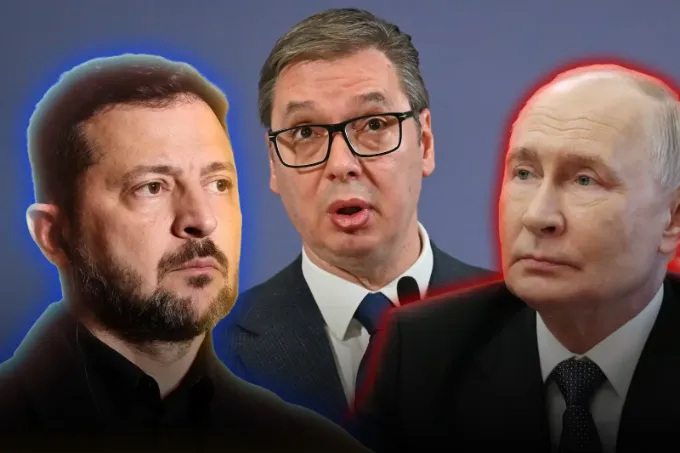
The President of Serbia, Aleksandar Vucic, announced this Wednesday that his country will increase humanitarian aid to Ukraine, although he avoided supporting a joint statement from Southeast European leaders calling for continued military and political support for Kiev and intensifying international pressure on Russia. The decision reflects the delicate balance that Belgrade is trying to maintain between its aspiration to join the European Union and its historical political, economic, and energy relations with Moscow.
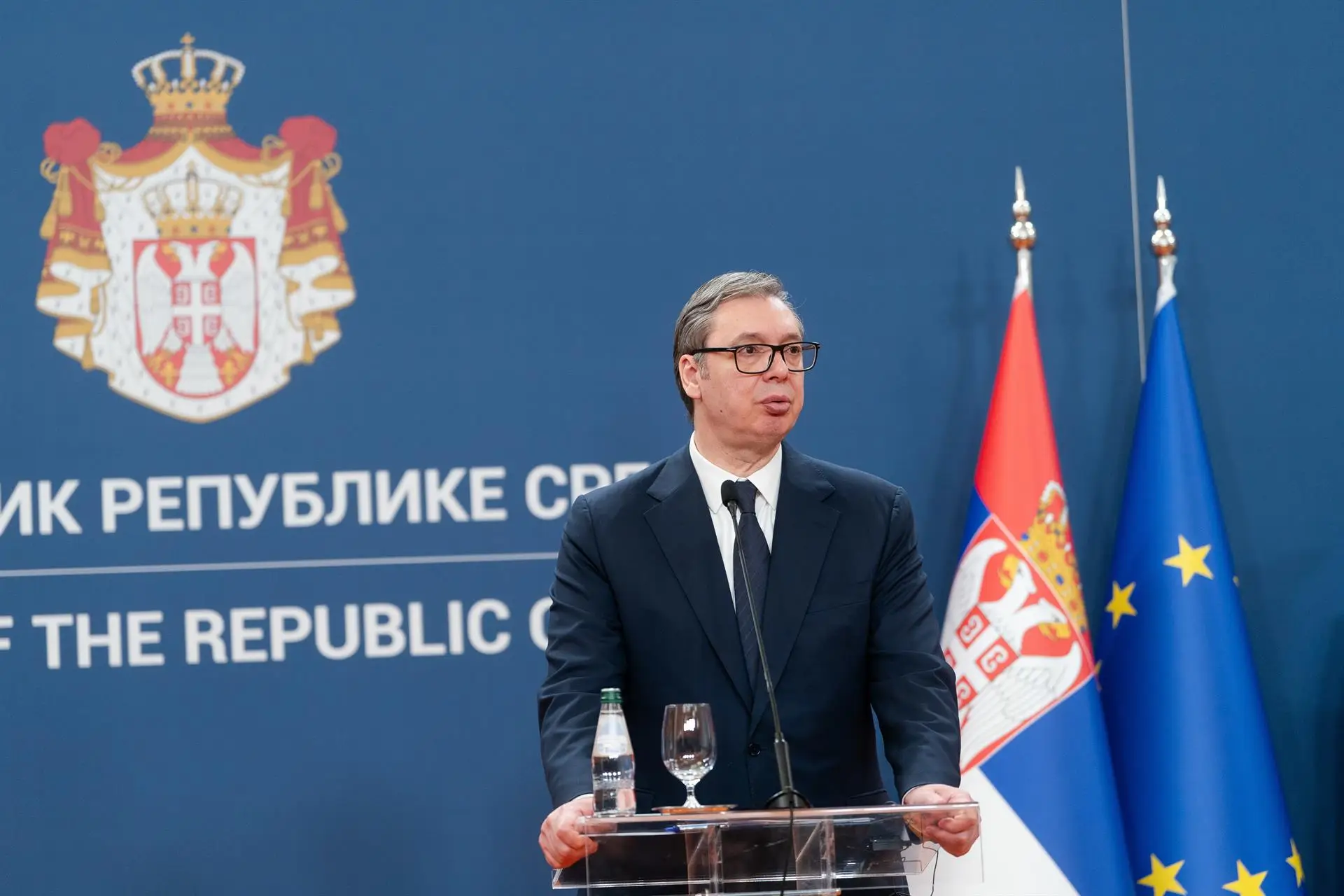
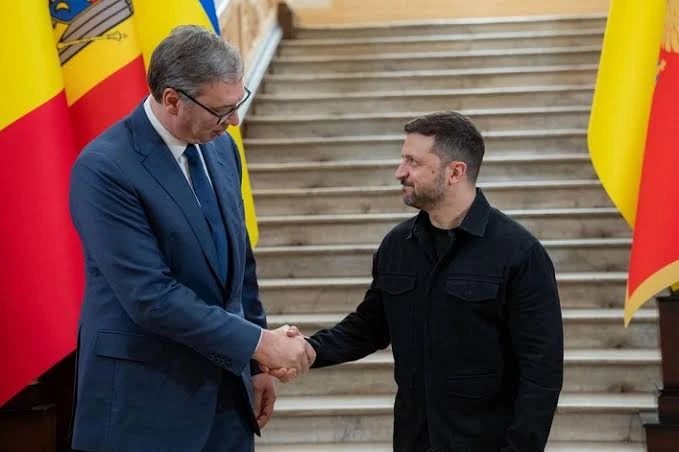
Vucic made an official visit to Kiev, the first by a Serbian head of state to the Ukrainian capital in over ten years. During his stay, he met with President Volodymyr Zelensky and participated in the Southeast Europe-Ukraine summit, a forum that brings together several countries in the region to coordinate positions on the war and discuss cooperation mechanisms with the Ukrainian government.
The visit represented the second trip by Vucic to Ukrainian territory since the beginning of the conflict. Last year, he participated in a similar meeting held in the port city of Odesa, although until now he had not officially traveled to Kiev.
The president of Serbia announced a new humanitarian aid package for Ukraine and stated that he will not support a European declaration against Russia
After the summit, the Serbian leader announced that Belgrade will increase financial, medical, and energy assistance to Ukraine. Additionally, he confirmed that Serbia will collaborate in the reconstruction of a Ukrainian locality that has not yet been publicly identified.
Vucic acknowledged that so far, cooperation in reconstruction had not progressed at the expected pace, but assured that his government will work to accelerate those projects and provide concrete results for the population affected by the war.
''So far, we have not achieved the progress we expected, and we will do everything possible to obtain the best results for the Ukrainian people in that city,'' declared the Serbian president to journalists from his country after concluding the regional meeting.
Vucic met with Zelensky and specified that the aid will be provided in the financial, medical, and energy sectors, despite acknowledging some delays
However, the gesture of humanitarian support was accompanied by a clear political decision. Vucic confirmed that Serbia refused to sign the final declaration of the summit, a document that calls for maintaining political, financial, military, and security support for Ukraine while proposing to increase international pressure on Russia to end the invasion.
The refusal reflects the position that Serbia has maintained since the beginning of the conflict. Although Belgrade has condemned on several occasions the violation of Ukraine's territorial integrity during votes held at the United Nations and internationally recognizes all of Ukraine's borders, including the regions occupied by Russia since 2014, the Serbian government has also refused to join the economic sanctions pushed by the United States and the European Union against Moscow.
Energy dependence is one of the main factors explaining this stance. Russia continues to be the largest supplier of natural gas to Serbia and maintains a significant presence in the Serbian energy sector. The oil company NIS, one of the main companies in the Balkan country, is majority-controlled by Gazprom Neft and Gazprom, two Russian energy giants.
At the same time, Serbia maintains its strategic goal of joining the European Union. In this context, Vucic reiterated during his visit that Belgrade will continue to support Ukraine's European aspirations, as well as those of Moldova and other candidate countries for the community bloc.
A large part of Serbia's energy sector is still dominated by major Russian oil companies
The leader assured that Ukraine ''will always be able to count on Serbia's support'' on its path to European integration, a statement that seeks to show a willingness to cooperate with Brussels without completely breaking traditional ties with Moscow.
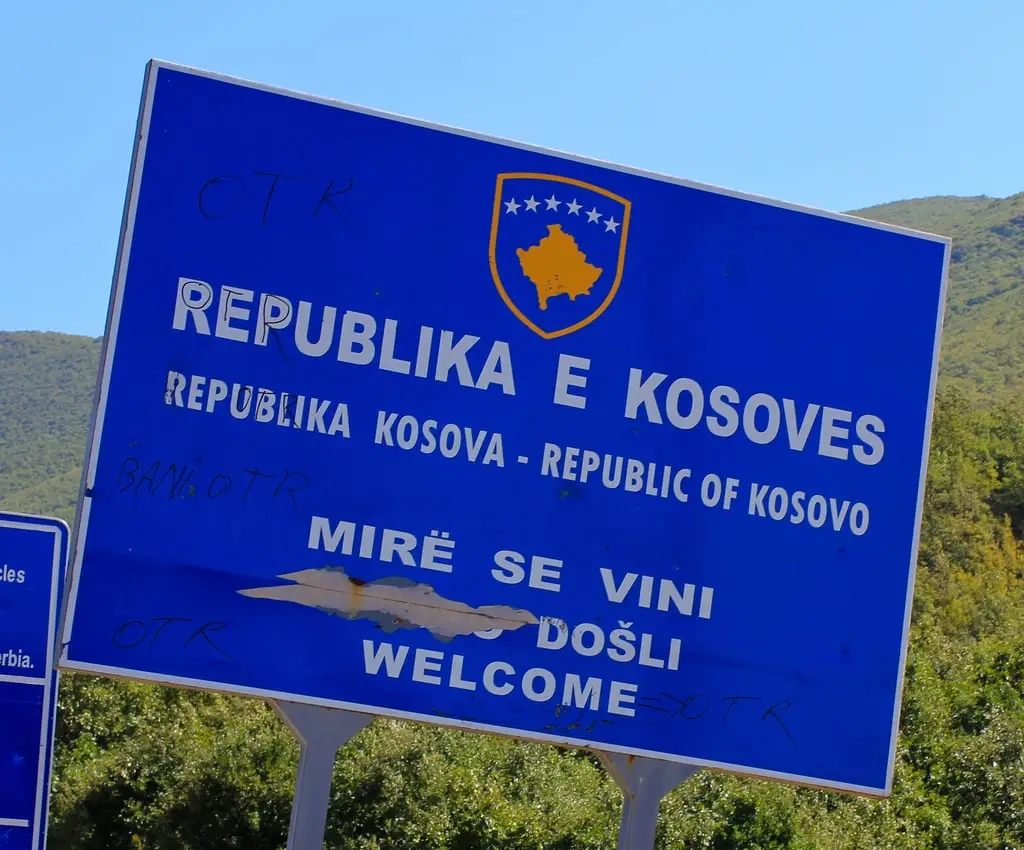
Relations between Serbia and Ukraine also present a diplomatic peculiarity. Belgrade fully recognizes Ukraine's sovereignty over all its territories, including Crimea and the regions occupied by Russia. In return, Kiev has never recognized the independence of Kosovo, proclaimed in 2008 by the former Serbian province with a majority Albanian population, an issue that remains a foreign policy priority for Belgrade.
Since the beginning of the Russian invasion in February 2022, Serbia has allocated around 60 million euros in non-military and non-lethal aid to Ukraine, primarily focused on humanitarian assistance.
Serbia recognizes all territories occupied by Russia, including Crimea, as Ukrainian, and in return, Ukraine does not recognize the existence of Kosovo as a state
However, Moscow has accused Belgrade on several occasions of allowing Serbian munitions to reach the Ukrainian army through third countries. The Serbian government has rejected these accusations and maintains that it has never supplied weapons directly to Ukraine, although it acknowledges that it sells munitions to international buyers without subsequently controlling their final destination.
The visit of Vucic also took place just days after a conference of candidate countries for the European Union held in Belgrade. During that meeting, the President of the Ukrainian Parliament, Ruslan Stefanchuk, accused Russia of committing aggression against several European peoples, including Serbs, Ukrainians, Moldovans, and Georgians. Those statements provoked a strong reaction from Moscow and the spokesperson for the Russian Foreign Ministry, Maria Zakharova, publicly criticized Serbia for not responding to comments considered hostile towards Russia.