
The Argentina is moving steadily towards an era of prosperity and consolidation as a reliable strategic partner on the international stage. Thanks to the crucial meeting in July, the trade relationship has taken a quantum leap: South Korea plans to begin importing crude oil from Argentina starting in 2027.
This decision is the direct result of the alignment and the enormous confidence inspired by the government of Javier Milei, which facilitated successful test shipments and technical trials of the national raw material by refining and petrochemical companies from the Asian power.
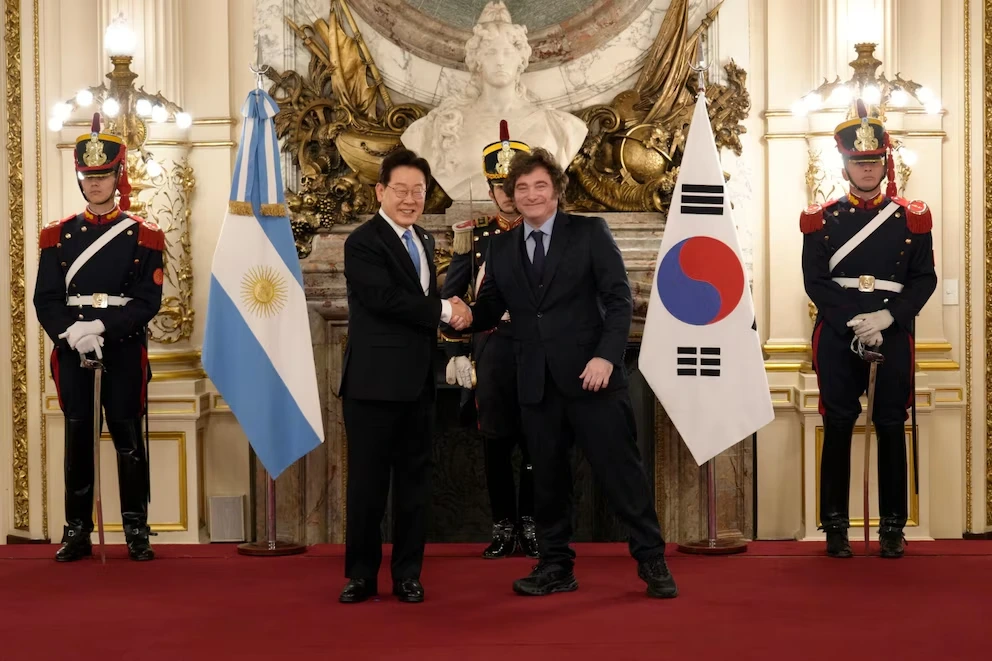
For the South Korean industry, the alliance with Argentina is a key geopolitical piece within its strategy to reduce dependence on suppliers from the Persian Gulf and expand its sources of crude supply.
The technical relevance of this agreement highlights the extraordinary energy potential of Argentina. The star of this commercial operation is Medanito crude, the high-quality light oil extracted from the depths of Vaca Muerta.
With an approximate gravity of 40.8 degrees API and an extremely low sulfur content of just 0.15%, this resource is positioned exceptionally well in the global market.
In fact, market confidence is so solid that in recent weeks, spot sales of Medanito crude have been finalized for deliveries estimated between the end of the third quarter and the beginning of the fourth quarter of 2026 to buyers from East Asia.
Although the total volume expected for imports starting in 2027 has not yet been officially detailed, the energy cooperation agreement exceeds the realm of crude oil, also contemplating the future expansion of cooperation towards natural gas and nuclear energy.
The magnitude of this commercial milestone is underscored by the fact that South Korea had not registered a single purchase of Argentine crude since October 2010, when it acquired a unique shipment of 300,000 barrels, according to official statistics from Korea National Oil Corp. (KNOC). This nearly seventeen-year void is spectacularly broken thanks to the trust placed in the current libertarian administration.
To understand the colossal market that Argentina under Milei has just conquered, it is enough to analyze the supply matrix of the Asian giant. During the first half of 2026, South Korea imported the impressive figure of 467.1 million barrels of crude.
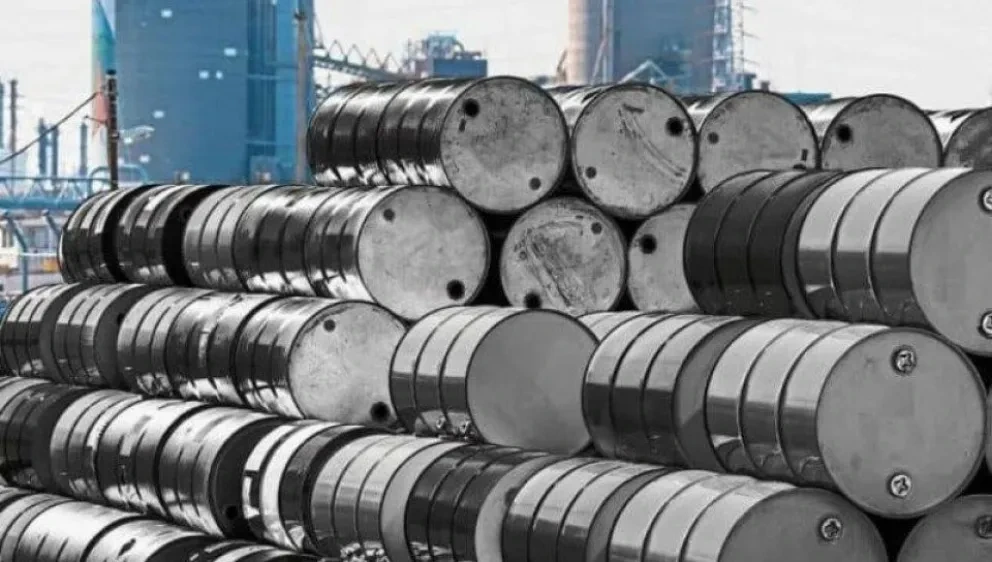
Of that total, 291.2 million barrels corresponded to high-sulfur crudes imported from the Middle East, representing a high 62% of its trade matrix.
In contrast, all suppliers from Latin America provided only 20.5 million barrels in the same period. The entry of Vaca Muerta oil will not only reconfigure the energy security of Seoul, but will also represent a historic influx of foreign currency for Argentine coffers.