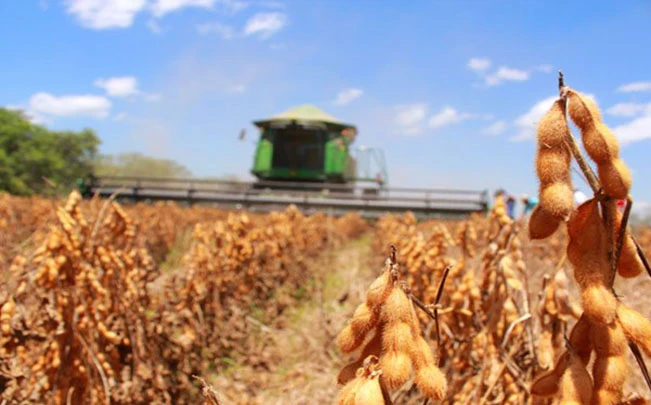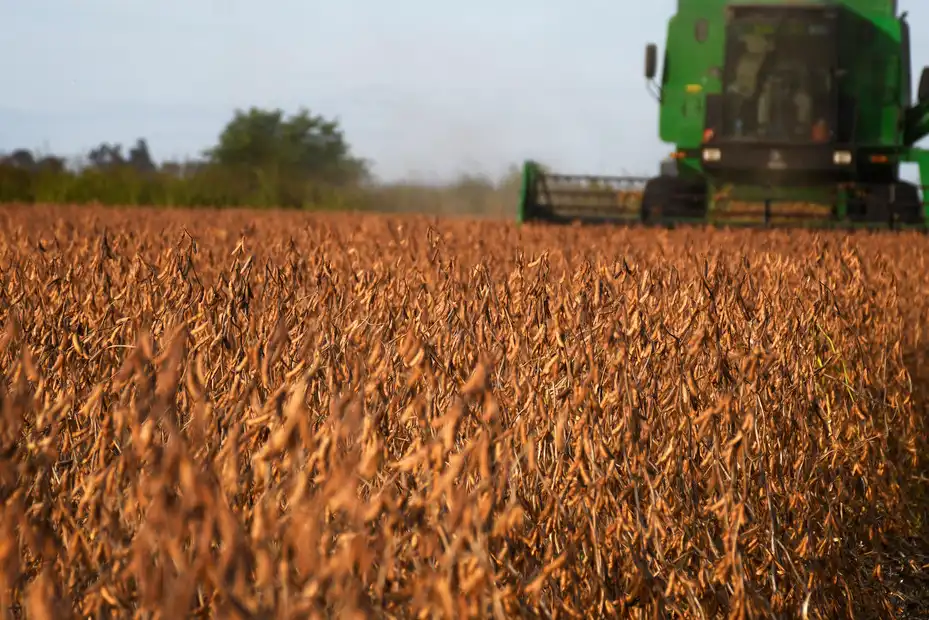

The 2025/26 campaign left average yields exceeding 43 quintals per hectare, accompanied by good grain quality, in a scenario where the combination of favorable climatic conditions, genetic improvements, and more efficient agronomic management allowed for outstanding results.
The data was presented by the National Network for Soybean Cultivar Evaluation (RECSO), which during the last campaign evaluated 88 varieties belonging to 12 seed companies through more than 350 trials distributed across 66 representative locations of the different soybean regions in Argentina.
The survey generated more than 11,000 experimental records, constituting one of the main sources of technical information for the sector.
Within this scenario, Córdoba once again stood out as one of the provinces with the best productive performances. In the Northern Pampas Region, which includes Córdoba, Santa Fe, Entre Ríos, northern Buenos Aires, and northern La Pampa, average yields exceeded 4,300 kilograms per hectare, equivalent to more than 43 quintals, ranking among the highest in the country.
Cordoban locations such as Marcos Juárez and Corral de Bustos were highlighted among those with the best results of the campaign.
Genetic improvement, key to soybean yields
Specialists attribute these results to the sustained progress of genetic improvement. According to RECSO technicians, the most recent varieties continue to show a constant evolution in productivity, with an average genetic gain of around 15 kilograms per hectare per year. They estimate that between half and 60% of the increase in yields recorded by Argentine soybeans in recent years is precisely due to the incorporation of new cultivars.

However, researchers emphasize that the potential of these varieties can only be fully expressed when accompanied by adequate agronomic management. Crop nutrition, the correct selection of materials, and health monitoring remain determining factors in transforming genetic potential into greater tons per hectare.
The presentation of the results took place at the INTA Marcos Juárez Agricultural Experimental Station, one of the main agricultural research hubs in the country. There, representatives from INTA and the Argentine Seed Association highlighted the value of the ongoing evaluation of cultivars as a tool for producers to make decisions backed by objective technical information.
The results obtained during the campaign consolidate Córdoba as one of the main engines of Argentine soybean production.
Beyond the volume achieved, the provincial performance again highlights the impact that technological innovation, research, and the incorporation of cutting-edge genetics have on the competitiveness of the agricultural sector, in a crop that continues to be one of the pillars of the agro-industrial economy of the country.