According to the results obtained, the rates of acute malnutrition in Gaza ranged from 0.2% to 0.8%, levels that not only remain below critical thresholds but are also comparable to or even lower than those observed before the war began.
Furthermore, the data reflects significantly lower figures than those reported in countries in the region such as Egypt, Jordan, and Syria.
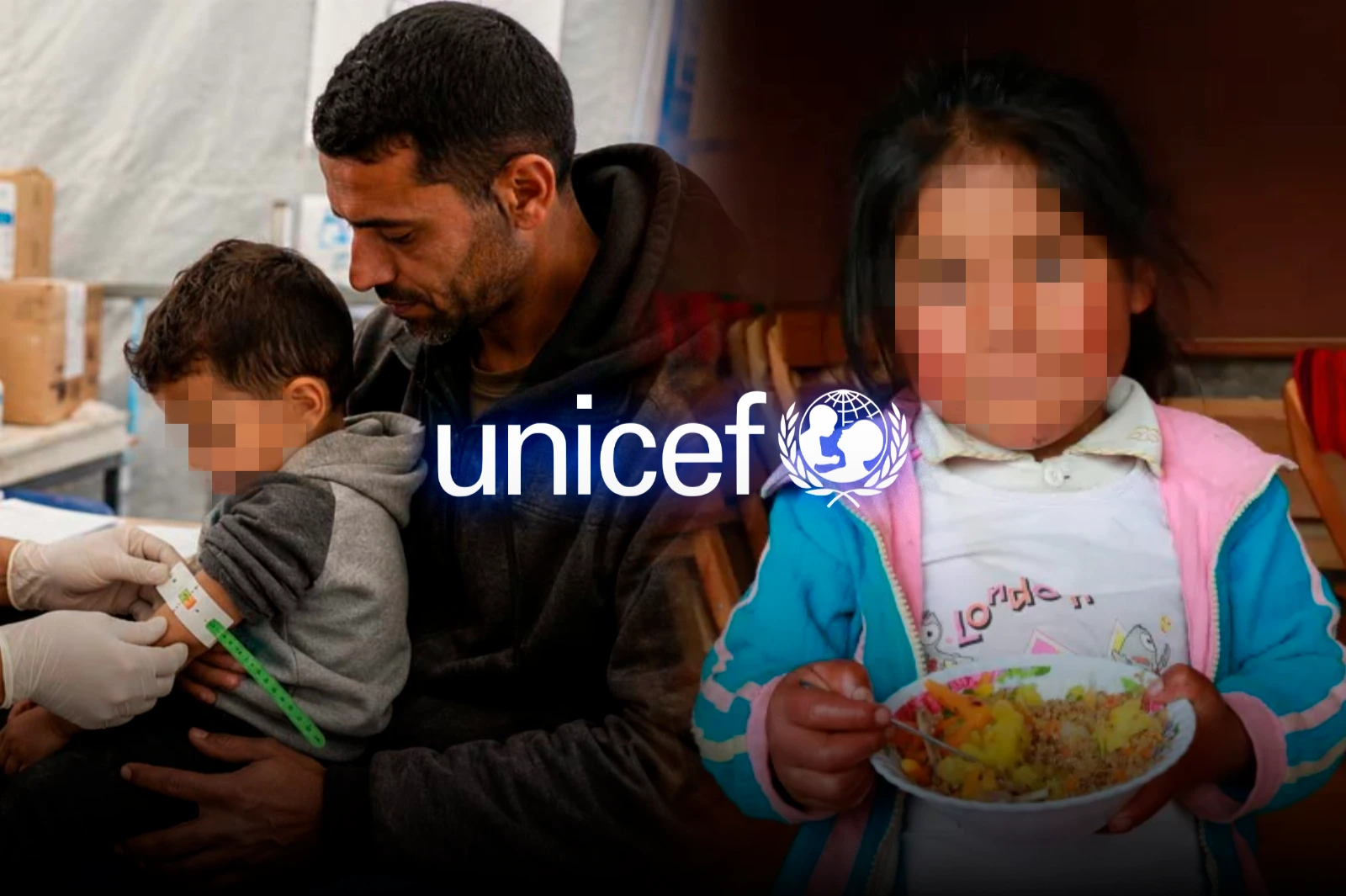
A recent survey coordinated by UNICEF revealed that levels of child malnutrition in the Gaza Strip are below or in line with those recorded before the conflict between Israel and the terrorist group Hamas, and below several countries in the region.
Based on this data, Israeli authorities reinforced their rejection of the famine allegations and pointed to the anti-Israel narrative being pushed internationally, primarily by the left.
The Israeli ambassador to the United Nations, Danny Danon, stated that the study's results disprove the accusations against his country. "Once again, facts prevail over fiction", he asserted, adding: "UN agencies recognize that the false narrative against Israel is crumbling".
In the same vein, the diplomat emphasized: "Israel is not starving children. Israel is fighting Hamas terrorism, while Hamas uses civilians in Gaza as human shields. Those who rushed to accuse Israel must now be held accountable for spreading lies".
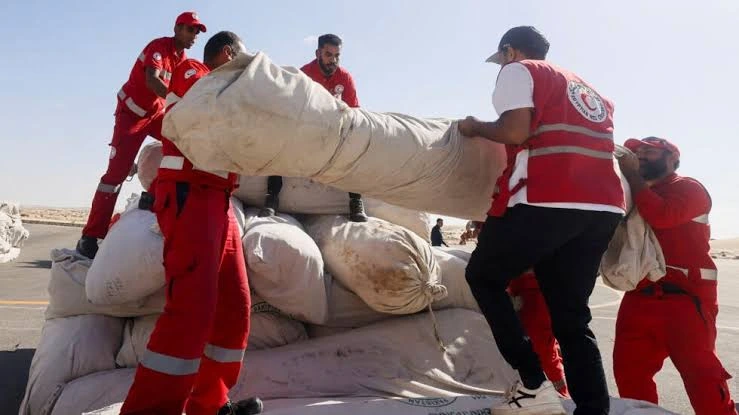
Humanitarian aid in Gaza
Study Results
The nutritional survey used the methodology of the World Health Organization (WHO), considered an international standard for measuring acute malnutrition. Through indicators such as weight, height, and mid-upper arm circumference, researchers assessed the nutritional status of children using the weight-for-height Z-score (WHZ).
From the Israeli Ministry of Foreign Affairs, they reinforced their stance on social media: "In other words, there is no famine in Gaza". They added: "Malnutrition is not only well below critical values, but is exceptionally low compared to other regions. Anyone still open to debate can consult the empirical data for themselves".
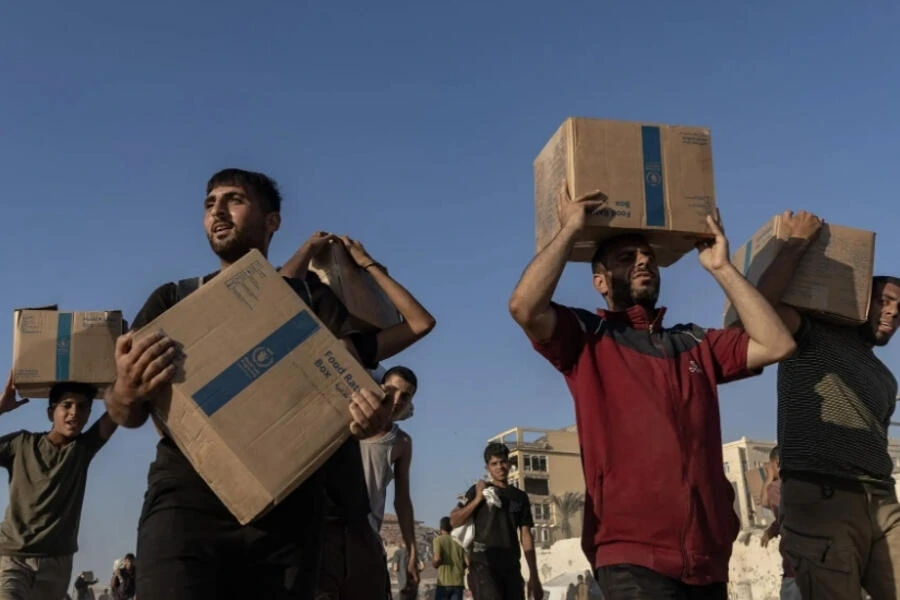
Humanitarian aid in Gaza
However, other international reports introduce nuances regarding the evolution of the situation. The Integrated Food Security Phase Classification (IPC) noted in a report from July 23 that, following the ceasefire reached in October 2025, large-scale humanitarian assistance contributed to improving food conditions in Gaza.
According to the agency, the nutritional situation improved since early 2026, reaching Phase One on its scale, which implies that less than 5% of children suffer from acute malnutrition by mid-April.
Thus, the Israeli government used the recent UNICEF data to refute the false accusations of a supposed extreme famine in Gaza, driven by the terrorist group Hamas and the global left.