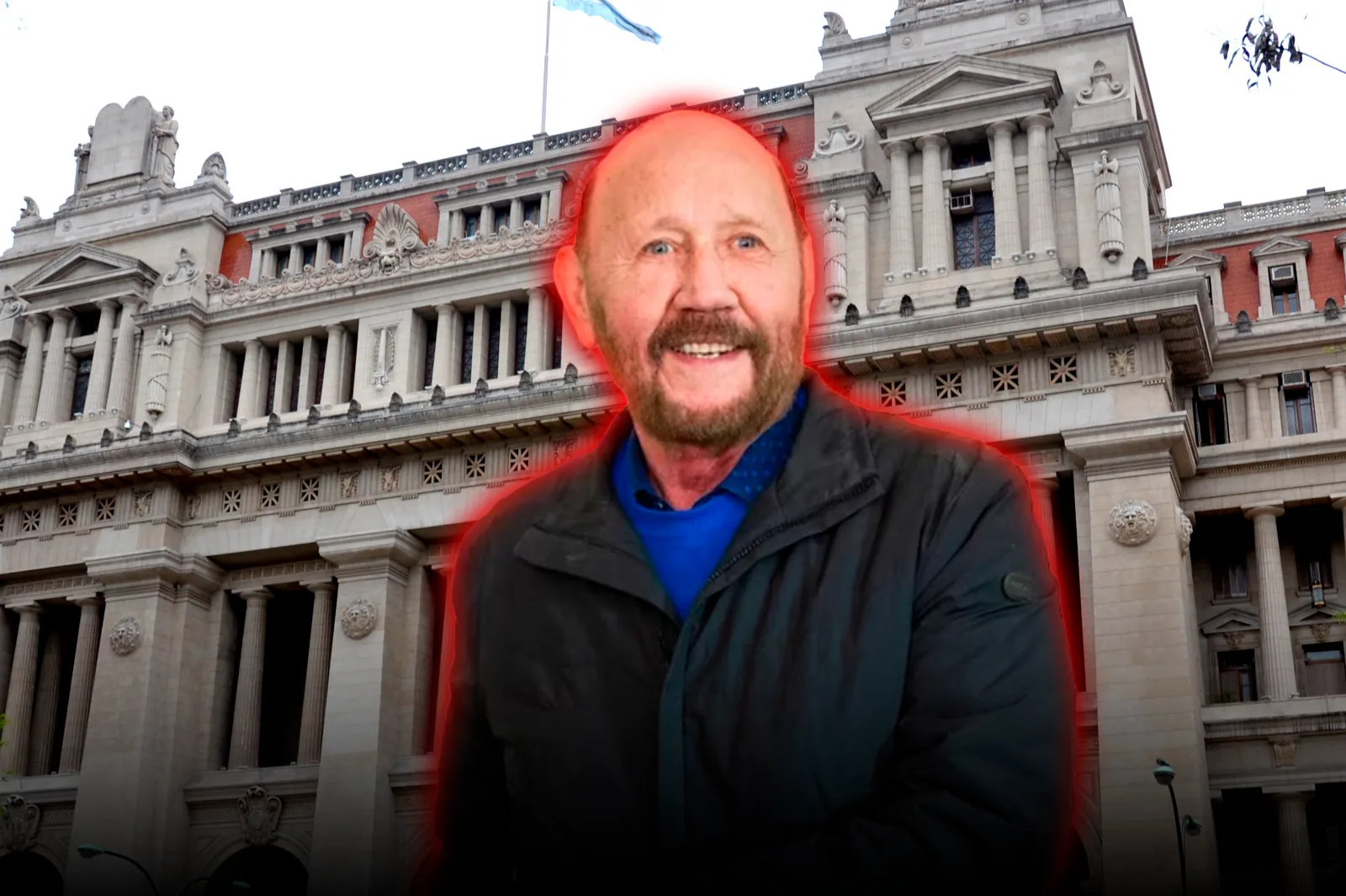
The Supreme Court of Justice of the Nation declared its original jurisdiction in the case questioning the possibility of a new re-election of the Peronist Gildo Insfrán as governor of Formosa.
The motion was presented by the Confederation of the Broad Front of Formosa and targets an authoritarian provision incorporated in the last reform of the provincial Constitution.
The judicial presentation requests that the unconstitutionality of the Fourth Transitory Clause of the Constitution of Formosa be declared, a norm that would allow a new candidacy for Insfrán for the period 2027-2031.
Gildo Insfrán
The lawsuit was signed by Agostina Villaggi and Rodolfo Basques, representing the Confederation of the Broad Front of Formosa. The motion also questions the possibility of a new candidacy for Eber Solís for the position of vice governor or governor.
By assuming its original jurisdiction, the Court referred to the precedent that the court itself had established on December 19, 2024, in a case brought by the same opposition coalition. Additionally, it ordered the transfer of the lawsuit to the Province of Formosa for a period of 60 days.
The decision was signed by Horacio Rosatti, Carlos Rosenkrantz, and Ricardo Lorenzetti in reference to the precedent, while the resolution of this Thursday was adopted with the signatures of all the ministers of the Supreme Court.
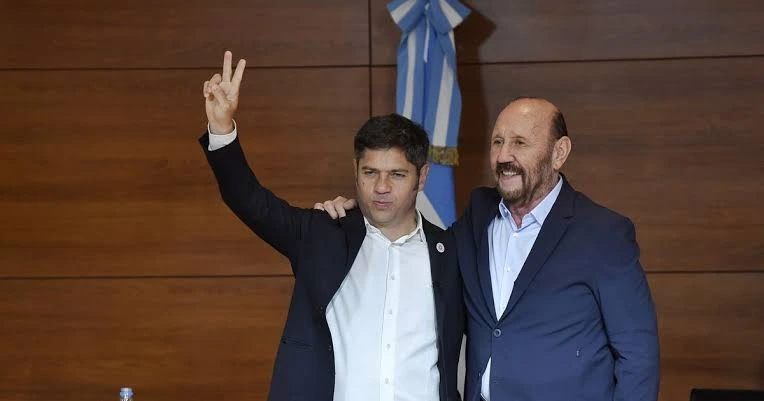
Axel Kicillof and Gildo Insfrán
The precedent that limited re-election in Formosa
The current conflict has as its direct precedent the ruling of December 2024. At that time, the Confederation of the Broad Front of Formosa had questioned the constitutionality of Article 132 of the provincial Constitution.
The Supreme Court then declared the unconstitutionality of that norm for being violative of Articles 5, 123, and related articles of the National Constitution.
Among the grounds for that decision, the highest court had warned that “an unlimited re-election, far from constituting the maximum realization of popular will, allows those in power to accumulate – after several successive terms – inappropriate advantages for a fair electoral contest.”
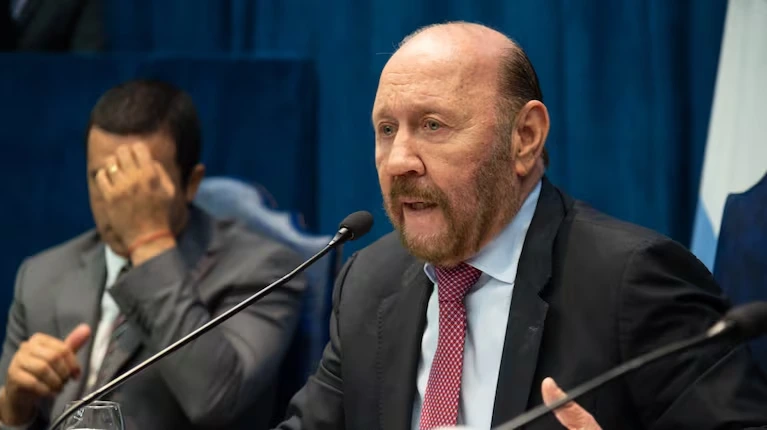
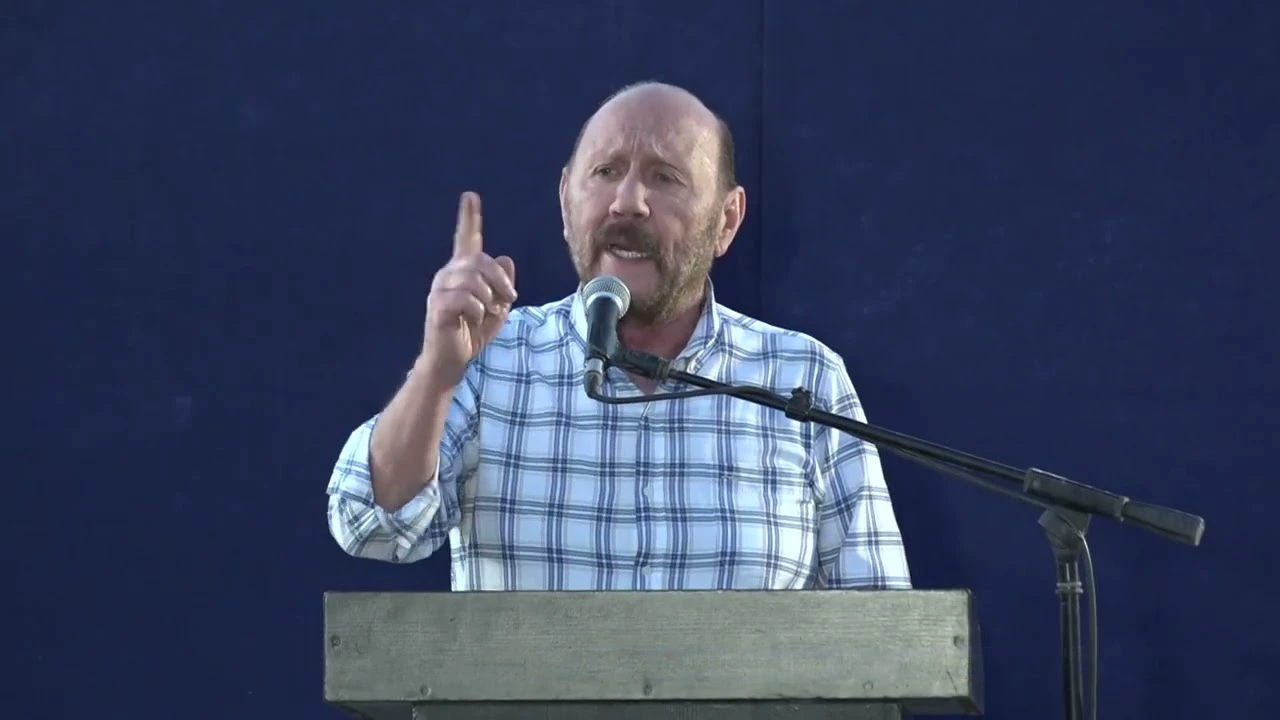
Gildo Insfrán
After that ruling, Formosa reformed its Constitution and established a limit of one re-election for governor and vice governor. However, the modification incorporated a transitory provision that is now being questioned again before the Court.
The clause states: “The term of the governor and vice governor in office at the time of the enactment of this reform shall be considered as the first term.”
The reform allows a new candidacy
The representatives of the Confederation of the Broad Front of Formosa argue that this provision allows considering as the first term the period that was ongoing at the time of the constitutional reform.
According to the lawsuit, this would enable the ninth candidacy of Gildo Insfrán as governor and a third candidacy of Eber Solís as vice governor or governor for the period starting on December 10, 2027.
The representatives of the opposition coalition argued that the clause contradicts Articles 1, 5, and 123 of the National Constitution, Article 23 of the American Convention on Human Rights, and the criteria established by the Supreme Court itself in the 2024 precedent.
Villaggi and Basques described the questioned provision as “a maneuver by the current governor, Gildo Insfrán, to disobey the Court's ruling and be able to run again in the 2027 elections,” as stated in the document submitted to the highest court.