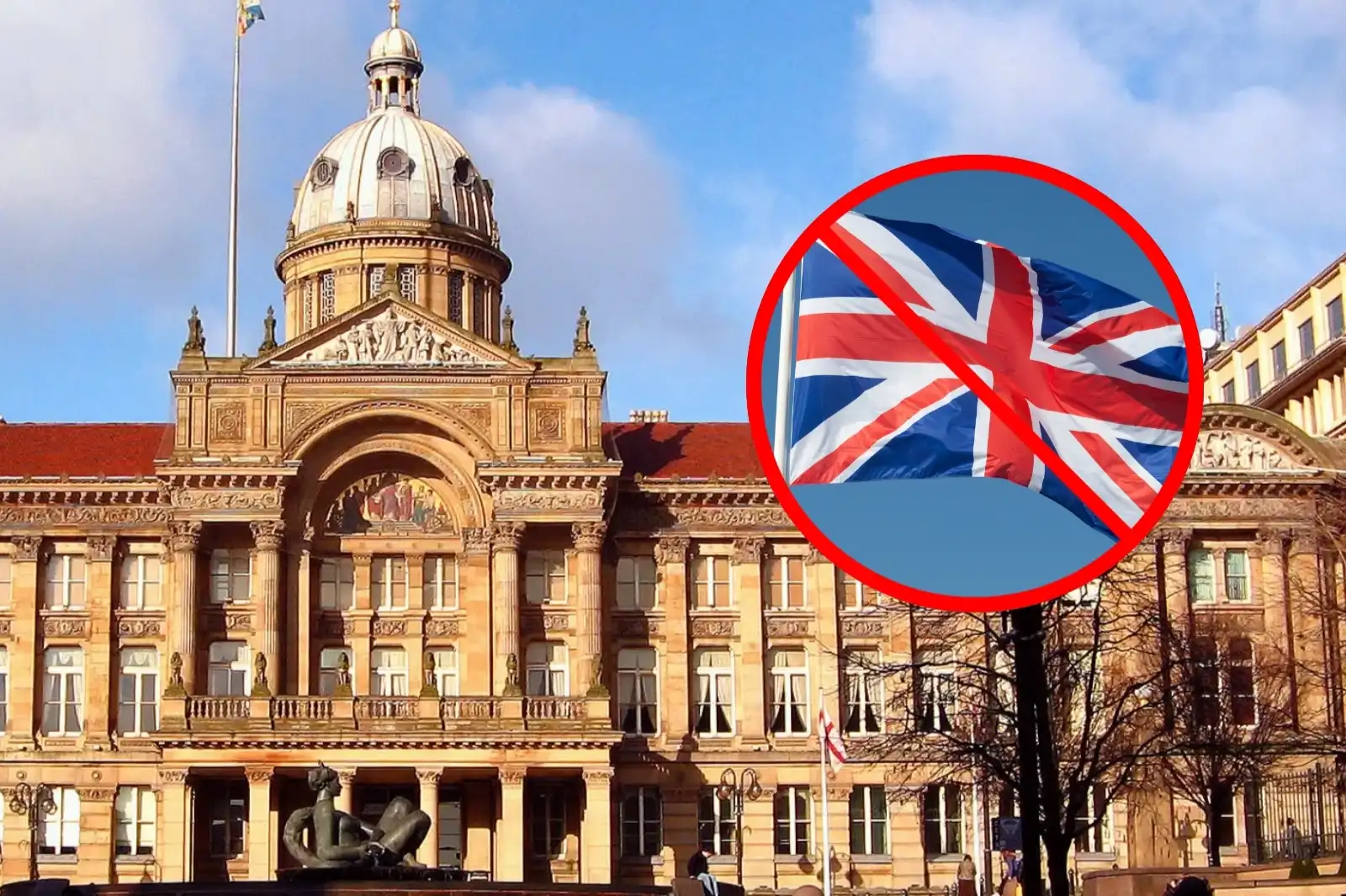
The Lord Mayor requested the High Court for a precautionary measure to prohibit the unauthorized installation of flags and banners on lampposts and other public structures. The measure could include penalties of up to two years in prison or unlimited fines
The conflict began to gain greater dimension last year when numerous flags of England and the United Kingdom started appearing on lampposts in different neighborhoods of Birmingham. The campaign later spread to other British cities and became one of the symbols of the mobilizations linked to the debate on immigration and national identity.
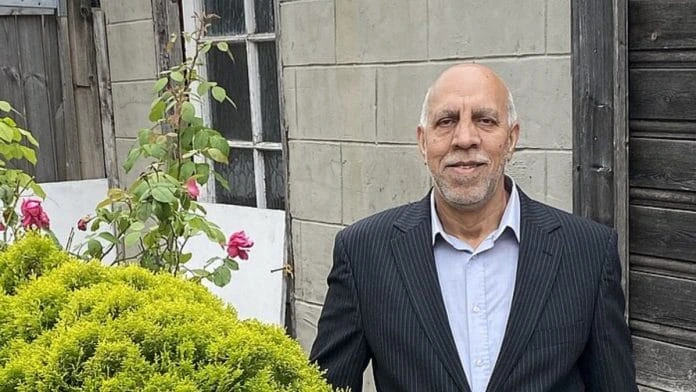
The Muslim mayor of Birmingham, Zaker Choudhry, has initiated legal action before the High Court to prevent the unauthorized placement of flags and banners on public infrastructure in the city, including flags of the United Kingdom and the St. George's Cross.
The initiative comes after months of disputes related to the Raise the Colours campaign, which promotes the display of British and English national symbols and rejects illegal immigration.
The request filed by the mayor seeks to obtain a court order that prevents the placement of these items on lampposts, bridges, porches, and other structures located on the roads without prior authorization. If granted, those who violate the order could face penalties of up to two years in prison or unlimited fines.
The Muslim Lord Mayor of Birmingham Zaker Choudhry
Municipal authorities justified the initiative on grounds of public safety, road management, and protection of workers responsible for removing the installations. However, the British public took this measure as an attempt to censor the anti-immigration movement.
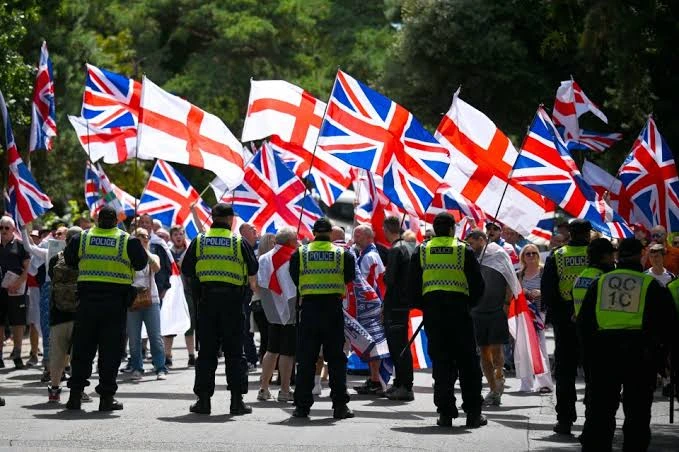
The Raise the Colours campaign, for its part, presents itself as a citizen movement dedicated to promoting unity and patriotism. Its representatives stated that they had not yet received or fully reviewed the court documents and, for that reason, avoided making a detailed assessment of the request.
Members of the Raise the Colours campaign
The dispute unfolds in a context of growing tension around the display of national symbols in various locations across the United Kingdom. The placement of flags in public spaces has led to clashes between groups with opposing positions and also raised questions about the actions of authorities who prefer to defend illegal immigrants over British citizens.
The final decision will now rest with the High Court, which must determine whether there are sufficient grounds to grant the order requested by Birmingham. Meanwhile, the controversy continues to focus on the boundary between the unauthorized placement of items in public spaces, safety, and the right of citizens to express their positions through national symbols.