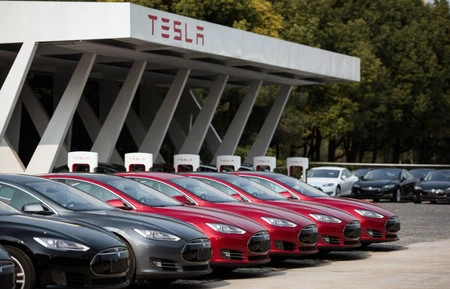











Although the decree streamlines operations for all automakers that manufacture under the rigorous standards of NHTSA, the main political and commercial beneficiary of this historic deregulation is undoubtedly Tesla.
The visionary firm of Elon Musk does not officially sell its cars on our soil yet, but the arrival is already underway: it has already established its local office in the country, appointing Joaquín Lizarralde as CEO in charge of operations in Argentina and Uruguay.
To begin its commercial journey, the company must homologate its three iconic models of cutting-edge technology: the Tesla Model 3, the Tesla Model Y, and the imposing pickup Tesla Cybertruck.
The technical details of the decree safeguard the quality of the import process. As Tesla operates four factories globally —Austin and Fremont in the United States, Berlin in Germany, and Shanghai in China—, the benefit of Decree 796/2026 is directly associated with the origin and the VIN (Vehicle Identification Number). The decree requires that the vehicles from the exempt quota come from U.S. soil.
The models manufactured at the Fremont plant have a VIN starting with the letters “5YJ”, while those produced in Texas carry the letters “7SA”. As these are the only ones officially registered with the NHTSA, the decree prevents cars produced in Berlin (code “XP7”) or Shanghai (code “LRW”) from using this benefit directly.
This origin limitation will not halt the progress of the brand led by Elon Musk. While importing from the China plant would incur a full extrazone tariff of 35%, the Government has a winning card up its sleeve: the regulation of the 2027 quota for hybrid and electric cars.
This quota, tentatively scheduled to launch during the first half of September, could include a substantial increase in the maximum import price cap, currently set at a FOB value of USD 16,000.
If this increase materializes, a second channel will be wide open for the extraordinary Tesla Model 3 and Tesla Model Y manufactured in China —which are already being sold officially and very successfully in Uruguay— to enter the Argentinian market without “any import tariff”, with the quota being split 50% between manufacturers and importers. The revolution in transportation and free-market capitalism is already an unstoppable reality in the new Argentina of President Javier Milei.