Meanwhile, the Iranian terrorist regime continues to send contradictory messages about a possible agreement with Oman to manage traffic and revenues from Hormuz. The Revolutionary Guard claimed that both countries had reached acceptable results, but a senior Iranian source later stated that negotiations had not yet concluded.
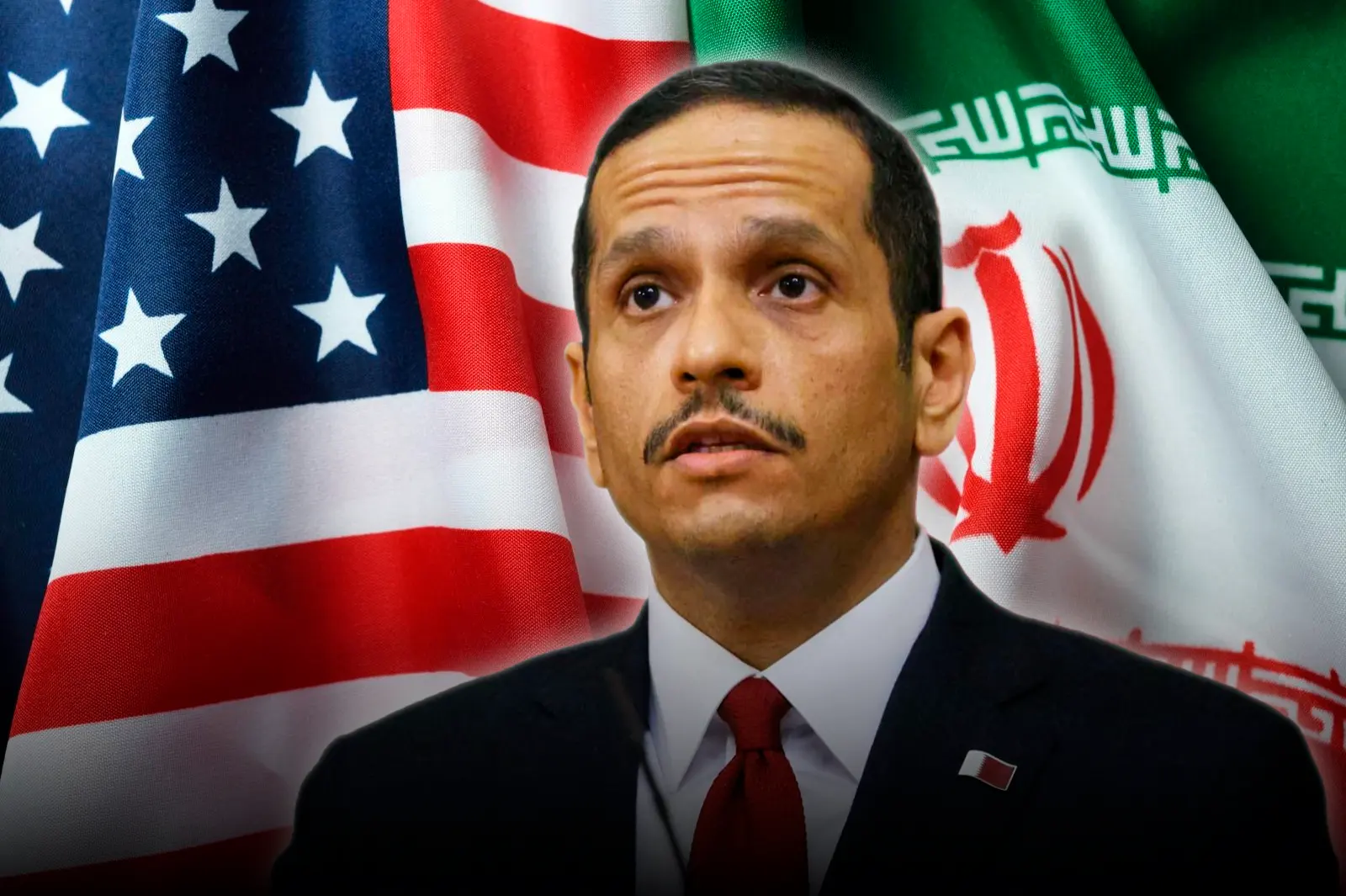
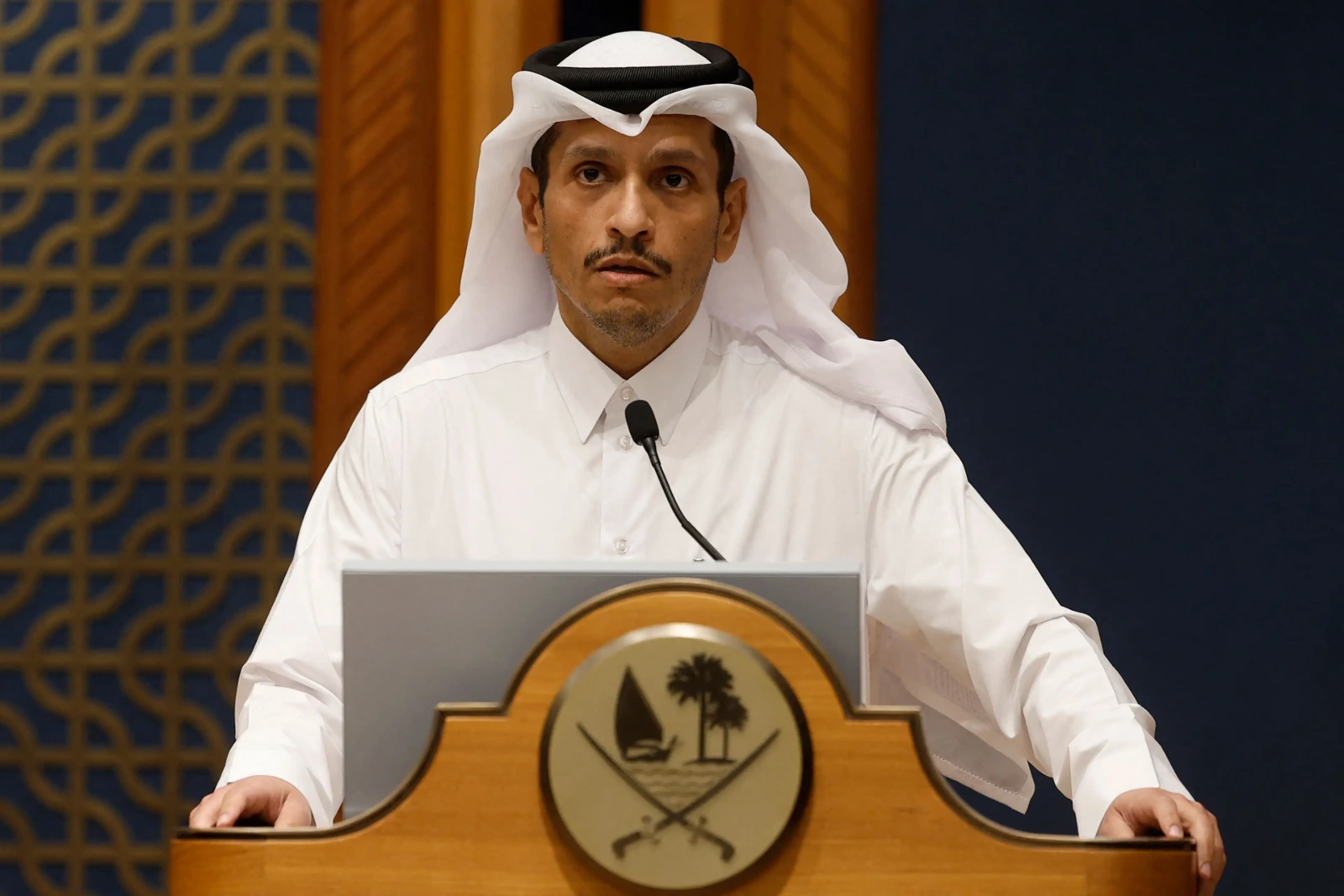
The Prime Minister of Qatar, Mohammed bin Abdulrahman al-Thani, will travel to Tehran this Thursday in a new attempt to reactivate diplomacy between Iran and the United States, while tensions remain stagnant and the Iranian regime continues to use the strategic Strait of Hormuz as a pressure tool.
Qatar, a neighbor of Iran in the Persian Gulf, has played a mediator role between both parties for months. Doha was directly involved in negotiating the ceasefire reached in June, which allowed for a temporary reduction in hostilities. However, the truce did not resolve the main differences between Washington and Tehran.
The visit comes as the war approaches its sixth month. Although fighting has significantly decreased and the U.S. Central Command has not reported new attacks against Iran for almost a month, there is also no significant diplomatic progress. Washington seems to be shifting its focus toward economic pressure, with plans to expand sanctions against Iran's trading partners and make it difficult for Tehran to maintain its international revenues.
The Prime Minister of Qatar will seek to resume his role as a mediator and will travel to Tehran to talk with the Iranian regime
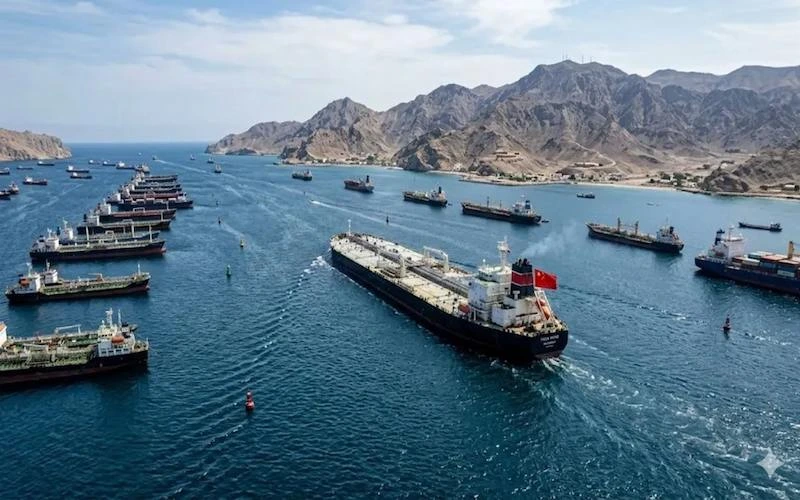
One of the main obstacles remains the Strait of Hormuz, a crucial maritime route for global energy trade. Before the war, approximately 20 million barrels of oil per day passed through the strait. Currently, flows have dropped to about 5 million barrels per day, according to recent maritime tracking data.
The situation largely reflects Iran's pressure strategy. Tehran has attempted to use control of the strait as a bargaining mechanism and source of income, even suggesting charging fees to ships passing through the waterway. The United States has firmly opposed these demands and insisted on the need to restore the freedom of navigation that existed before the war began.
The United Nations International Maritime Organization has recorded 70 incidents in the strait since February 28, with 19 sailors dead. These figures have heightened international concern about the consequences of Iranian actions for maritime security and global energy supply.
The Iranian terrorist regime continues to use the Strait of Hormuz as a weapon of economic pressure in the absence of a definitive agreement with the United States
The contradiction highlights the uncertainty surrounding Iran's position. A spokesperson for the Revolutionary Guard also stated that the strait will remain closed until the United States meets the conditions set forth in the memorandum of understanding signed in June. Among Iran's demands are the lifting of the blockade on its ports, economic compensation, and the removal of sanctions.
The Iranian regime also retains sufficient missile and drone capabilities to threaten neighboring Gulf countries that host U.S. military bases and to pose additional risks to oil tankers.
During his visit, the Qatari Prime Minister will discuss with Iranian authorities the continuation of mediation, freedom of navigation, and mechanisms to reduce tensions. Qatar also seeks to create the necessary conditions to resume dialogue.
However, any progress will largely depend on Tehran abandoning its strategy of using Hormuz as an instrument of coercion. As long as Iran maintains restrictions on one of the planet's most important energy routes and conditions its reopening on economic and political concessions, the chances of reaching a stable agreement will remain limited.
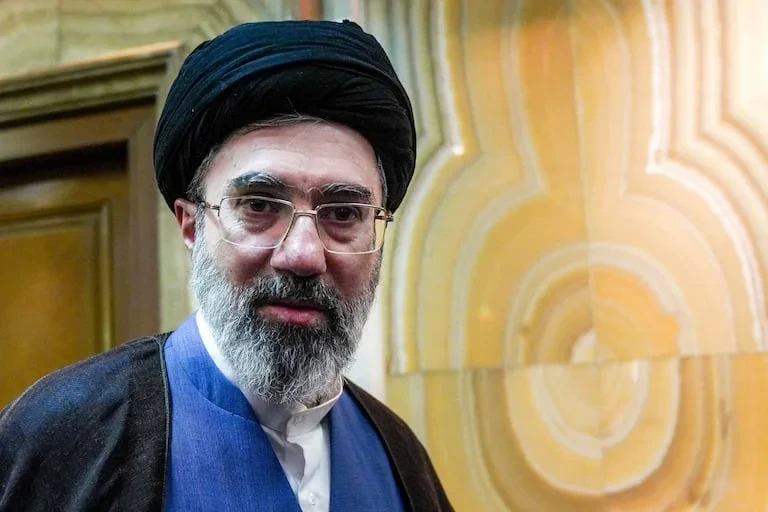
The Islamic dictatorship of Khamenei reiterated that any negotiation will depend on the lifting of sanctions and the blockade of ports by the United States