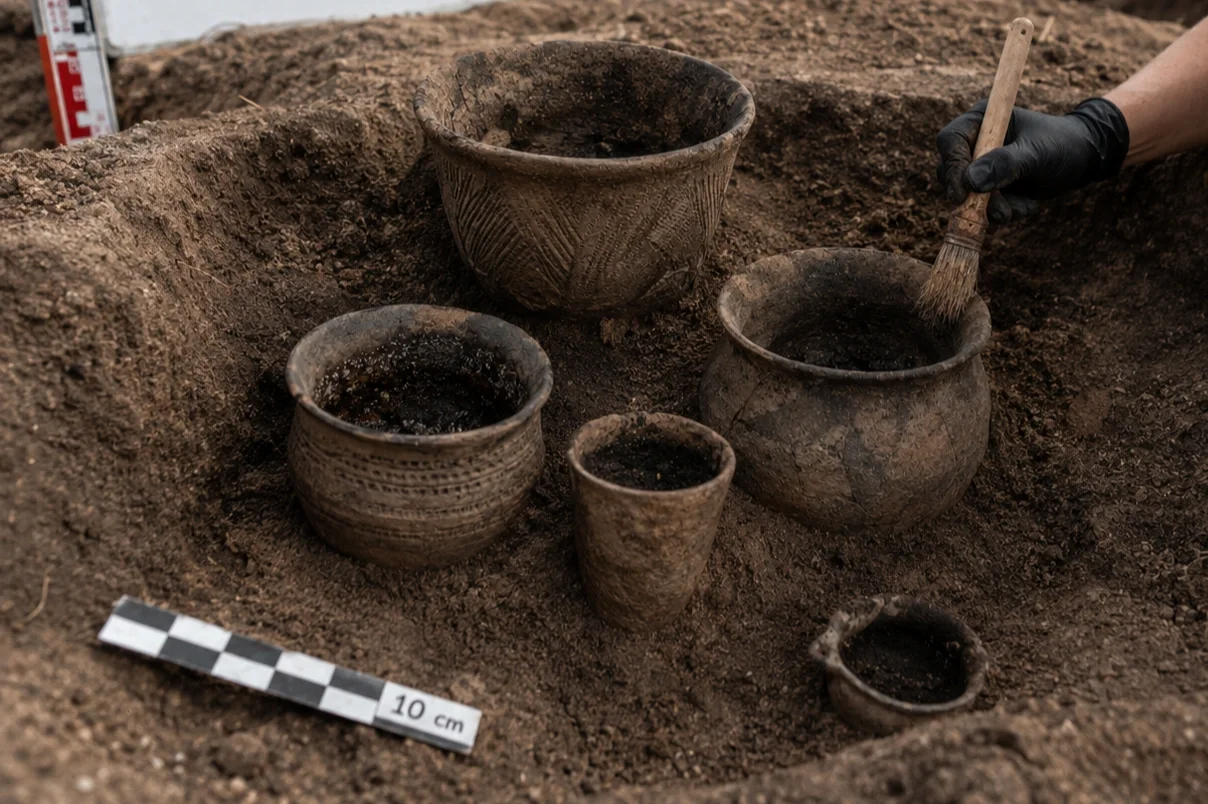

In northeastern Poland, researchers found evidence of alcoholic beverages fermented over 4,500 years ago. The discovery was made in vessels belonging to the Bell Beaker culture, according to a study led by Dariusz Manasterski from the University of Warsaw.
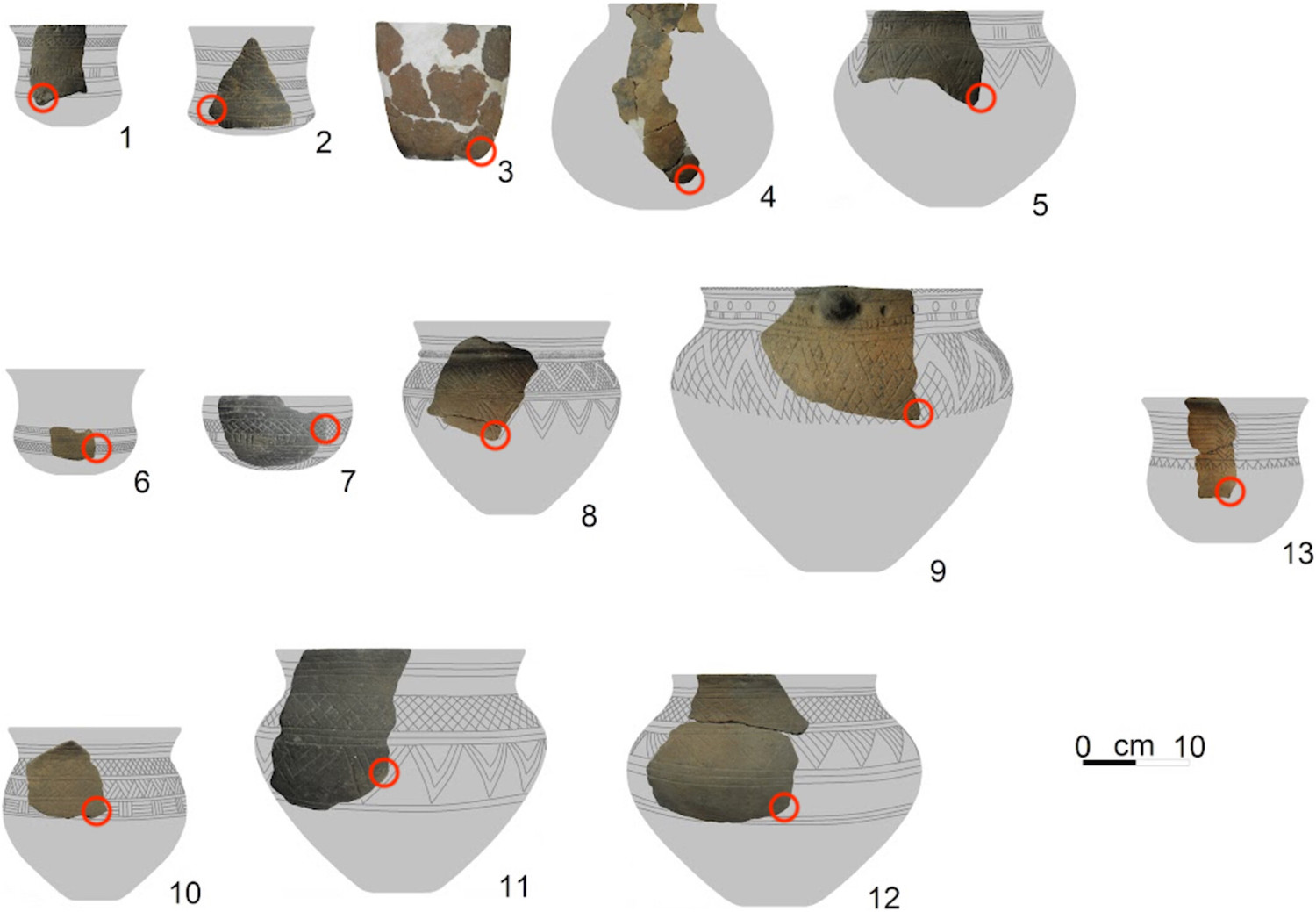
The analysis of 13 containers found at various archaeological sites revealed that at least nine contained metabolic products from bacteria and yeasts, confirming that fermentation took place. These remains represent one of the oldest indications of alcoholic beverage production in the region.
Scientists detected biomarkers related to the processing of wheat and barley, fruits, and possible resins that could have been used to preserve or flavor the beverages. Some vessels may have contained more complex mixtures, similar to the known Nordic "grog."
Details of the Archaeological Study
Manasterski explained that the grain used in the production was likely imported from areas where cereal cultivation was already well established. This suggests networks of exchange and advanced technological knowledge for the time.
The discovery provides new information about fermentation practices in the early Bronze Age in central and northern Europe. Alcoholic beverages likely played social, ritual, or even medicinal roles in the communities of the Bell Beaker culture.