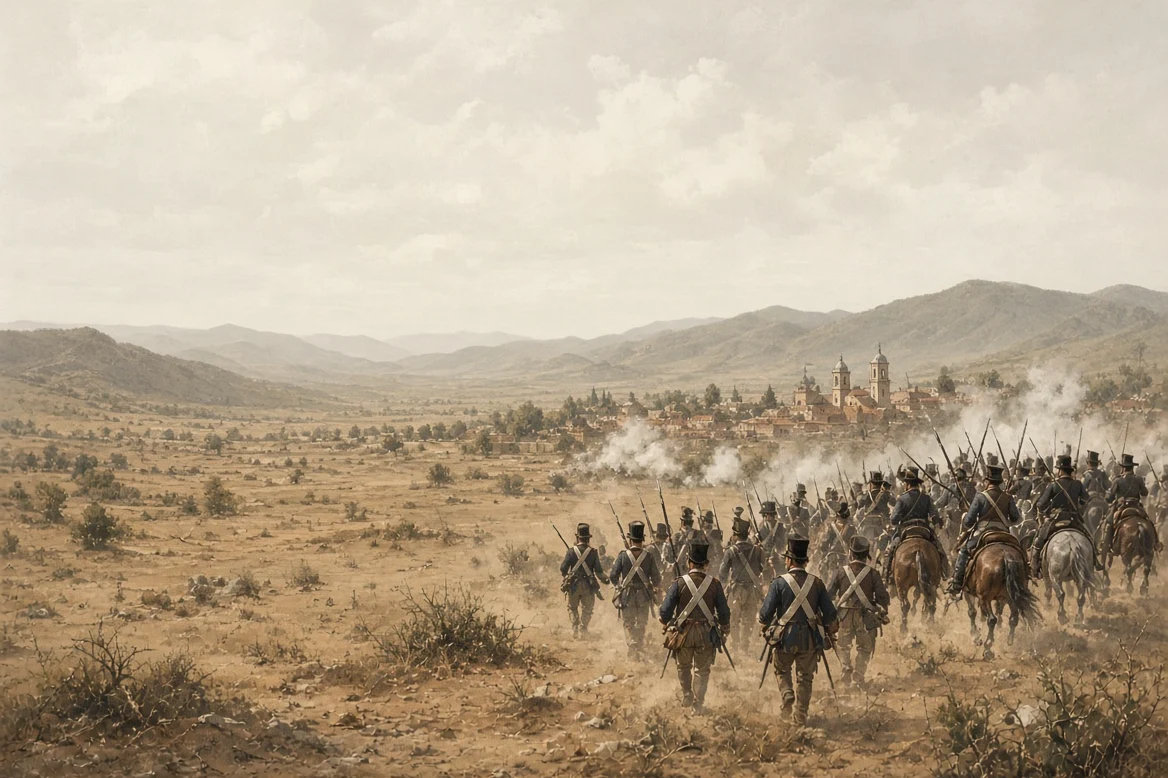






Manuel Belgrano was 42 years old when he arrived on the outskirts of San Miguel de Tucumán on September 10, 1812. A lawyer and economist by training, he had become a general due to the circumstances of the revolution. The First Triumvirate had ordered him to march towards Córdoba to save what remained of the Army of the North. However, he felt that abandoning the territory would make it much more difficult to recover. The enemy was hot on his heels, and the townspeople begged him not to leave them at the mercy of the royalists.
The decision was not easy. Belgrano believed that the lack of order could lead to the perdition of the cause initiated in May 1810. But two events ultimately convinced him. On September 3, the patriotic rear guard had repelled an attack near the Las Piedras River, with sixty dead on the other side and the capture of valuable weaponry. Additionally, Juan Ramón Balcarce had managed to gather a good number of volunteers who would train against the clock and arm themselves with machetes and knives tied to spears.
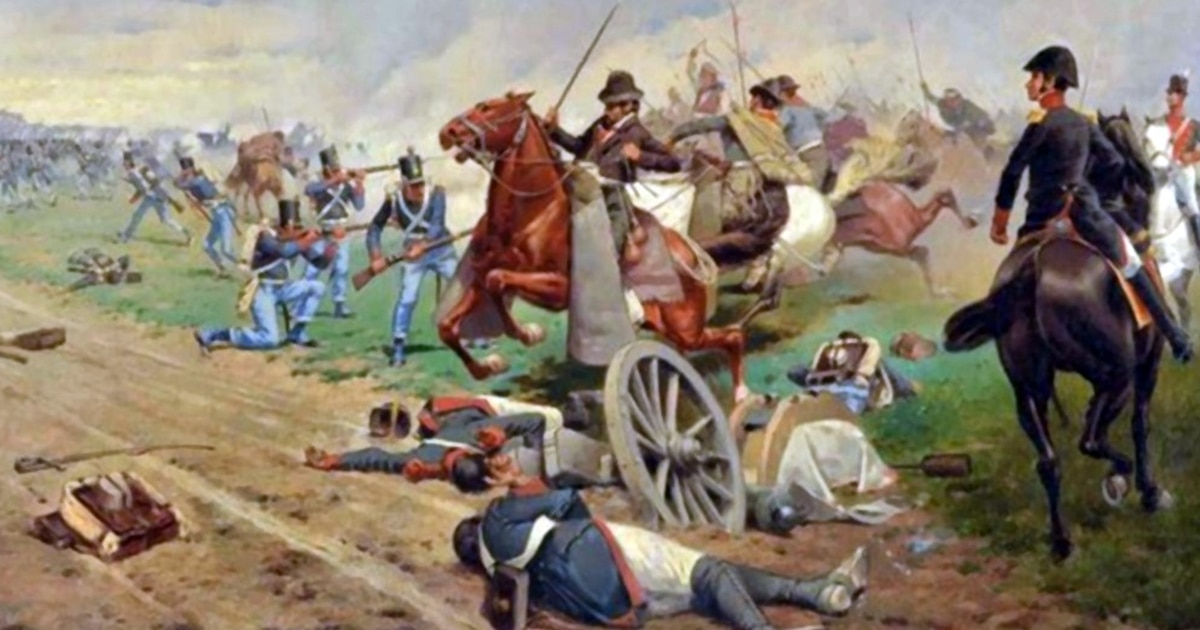
Thus, the battle that would take place on September 24 and 25 was conceived. The enemy chief was not unknown to him. Pío Tristán, a 39-year-old Peruvian, had crossed paths with Belgrano during their student days in Salamanca and later in Madrid. Slim, at one meter fifty, with a cordial and witty demeanor, but extremely stingy. Between them, there had always been a respectful, albeit distant, relationship.
When Belgrano took command of the Army of the North, he wrote to him offering the possibility of a peaceful solution. Tristán, in turn, sent fifty ounces of gold to ensure that Colonel Agustín Huici, captured after the battle of Las Piedras, was treated well. Belgrano returned the money and requested that it be allocated to the patriotic prisoners. He humorously signed “camp of the small army.”
The strategy and the enveloping movement
Tristán was aware of his rival's precarious situation. The government had only sent about four hundred rifles, and the patriotic army suffered from a lack of discipline, inadequate weaponry, and the ravages of fever. Days before the battle, he sent a provocative letter to José Garmendia, a Tucumán resident with patriotic sympathies, announcing the Spanish victory and his desire to bathe and have lunch at his house after the battle. Garmendia's wife replied that she would prepare a gallows with the hair of the Tucumán ladies.
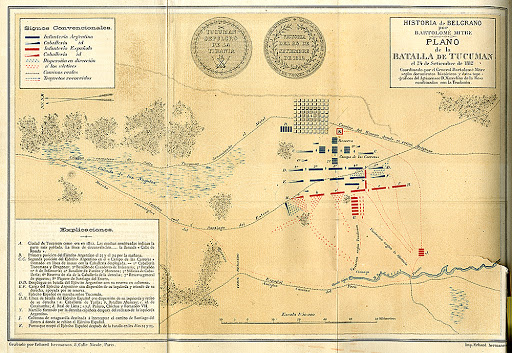
Belgrano planned to wait for the Spaniards north of the city, counterattack with bayonets, and disperse them with cavalry. If he were defeated, the city was entrenched, with ditches and half a dozen cannons to cover the retreat. On the 23rd, the royalists were in Nogales, twenty kilometers away. Confident in his numerical superiority, Tristán executed an enveloping movement to cut off the road to Santiago del Estero and prevent any escape.





