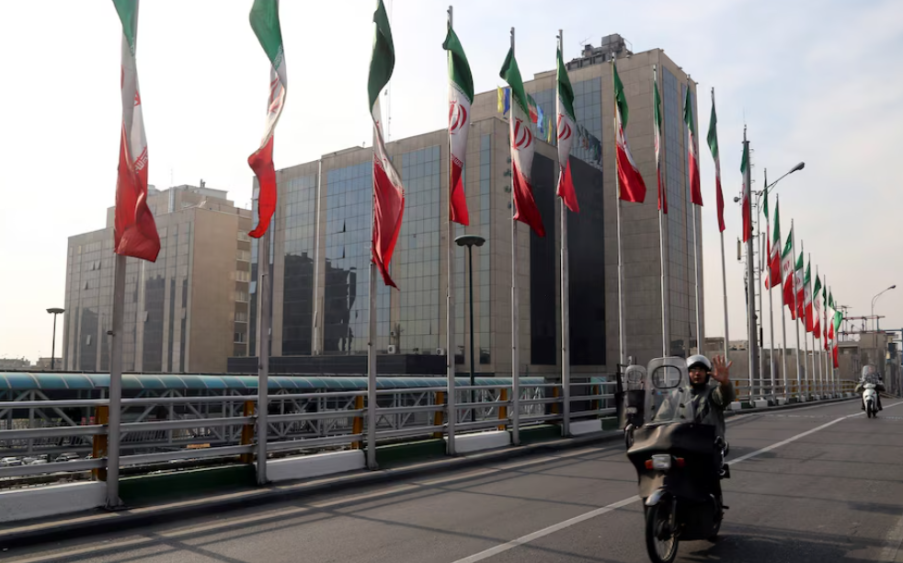
The Iranian regime demanded the lifting of sanctions, the release of frozen assets, and control over the Strait of Hormuz as part of its proposal to end the conflict.
The Tasnim agency described this point as a “red line” for the Islamic Republic.
Iran avoids discussing its nuclear program
One of the most striking aspects of the text sent by Tehran is that it avoids advancing, for now, in concrete negotiations regarding uranium enrichment.
The Iranian strategy first aims to:
Stop the war
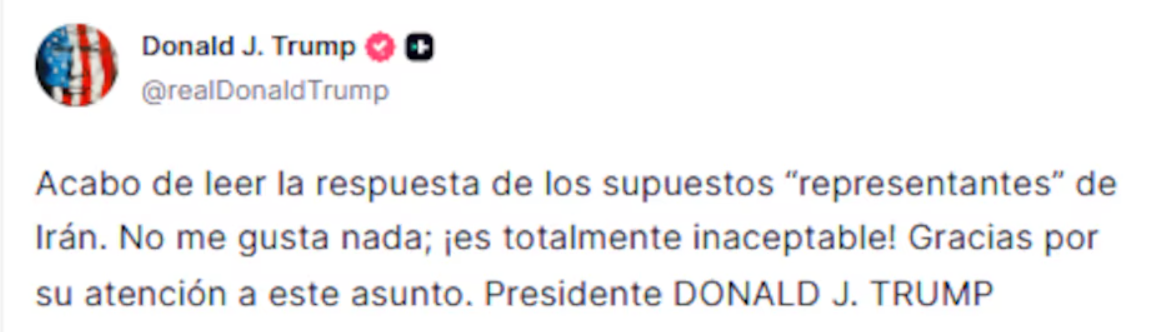
The Iranian regime presented a new proposal to the United States to try to end the conflict in the Middle East, although the plan was quickly rejected by Donald Trump, who called the Iranian response “totally unacceptable.”
The information was disseminated by the Iranian agency Tasnim, which revealed some of the main demands put forward by Tehran in the indirect negotiations mediated by Pakistan.
The Iranian regime wants to control Hormuz
One of the most delicate points of the proposal is the Iranian demand to take control of the Strait of Hormuz, one of the most important maritime corridors on the planet.
Through this strategic route circulates approximately:
20% of the world's oil
A large portion of global liquefied natural gas
Thousands of commercial vessels each year
Since the beginning of the regional conflict, the strait has become a permanent focus of military tension and energy crisis.
According to Tasnim, Iran intends to manage the maritime corridor if Washington agrees to a series of commitments that were not publicly disclosed.
The unacceptable conditions of Iran
Zero sanctions and released assets
The document sent to Washington also demands:
The lifting of U.S. economic sanctions
The end of the naval blockade
The release of frozen Iranian assets
The full resumption of oil exports
The Iranian dictatorship urgently seeks to alleviate the economic pressure affecting the regime after months of sanctions, isolation, and military confrontations.
Trump rejected the Iranian proposal
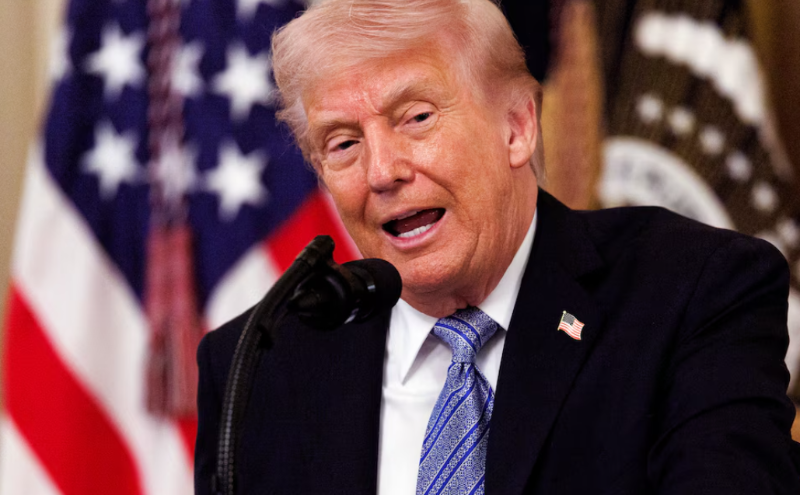
Trump's reaction was immediate and forceful.
“I just read the response from the so-called ‘representatives’ of Iran. I don’t like it. TOTALLY UNACCEPTABLE!” the president wrote on Truth Social.
The unacceptable conditions of Iran
The White House believes that Tehran is trying to take advantage of the negotiations to gain strategic advantages without offering real guarantees regarding its nuclear program or the financing of terrorist groups in the region.
Hezbollah and Lebanon, another red line
The Iranian proposal also includes demands related to Lebanon and the terrorist group Hezbollah.
According to Iranian sources, Tehran demands:
A ceasefire in southern Lebanon
Reduce economic pressure
Recover regional stability
And only then discuss the regime's nuclear capabilities.
The unacceptable conditions of Iran
The truce remains extremely fragile
Although the ceasefire announced in April remains formally in effect, the regional situation continues to be very delicate.
In recent weeks, there have been:
Attacks on commercial vessels
Hostile drones over Gulf countries
New U.S. military deployments
Cross threats between Washington and Tehran
Meanwhile, Pakistan continues to act as a mediator to prevent a new escalation.
The U.S. maintains pressure on the Iranian regime
The Trump administration maintains that it will not accept concessions that strengthen the Iranian regime nor allow Tehran to use negotiations to buy time.
Washington's priorities remain:
To halt the Iranian nuclear program
To ensure freedom of navigation in Hormuz
To weaken the financing of Iran-aligned terrorist groups
For now, the positions remain very far apart and the future of the negotiations remains completely open.