The Donald Trump administration is considering bringing charges against Raúl Castro for the downing of civilian planes in 1996 while intensifying political and economic pressure on the Cuban regime.
Washington accuses the regime of remaining a regional threat
From the White House, they maintain that Cuba continues to function as a safe haven for hostile actors and networks linked to foreign intelligence.
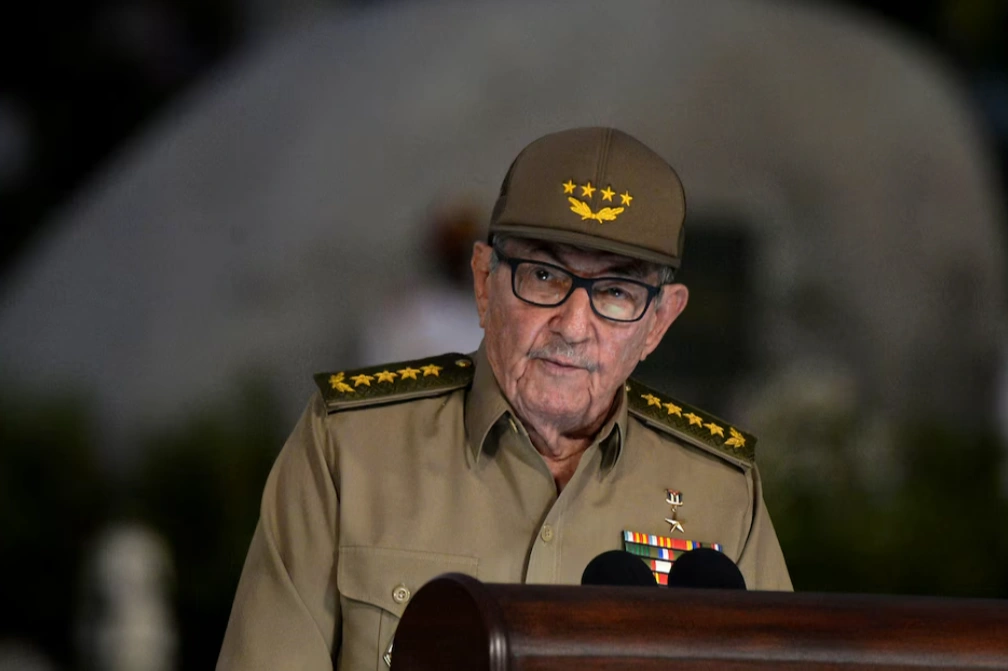
Raúl Castro
A U.S. official stated that:
“Cuba can no longer be a safe refuge for adversaries in the Western Hemisphere.”
Meanwhile, the Cuban regime denied representing a threat to the United States and asserted that it does not finance terrorist organizations or host foreign bases on its territory.
The Castro economic apparatus under scrutiny
The offensive also targets the economic core controlled by the Castro family and the Armed Forces.
Washington recently sanctioned:
GAESA
Moa Nickel S.A.
Ania Guillermina Lastres Morera
companies linked to the Cuban military apparatus
GAESA controls strategic sectors of the Cuban economy such as:
tourism
ports
infrastructure
energy
foreign trade
finance
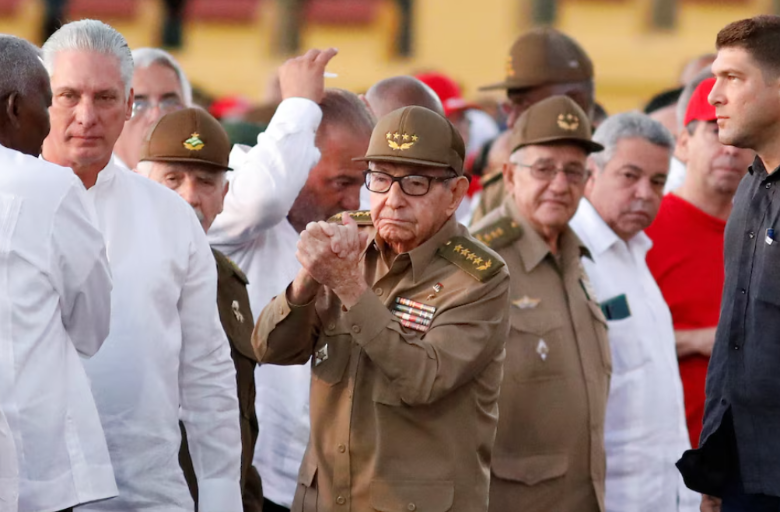
According to specialized analysts, Raúl Castro remains the figure with the most real power within the regime, despite having formally stepped down from the leadership of the Communist Party in 2021.
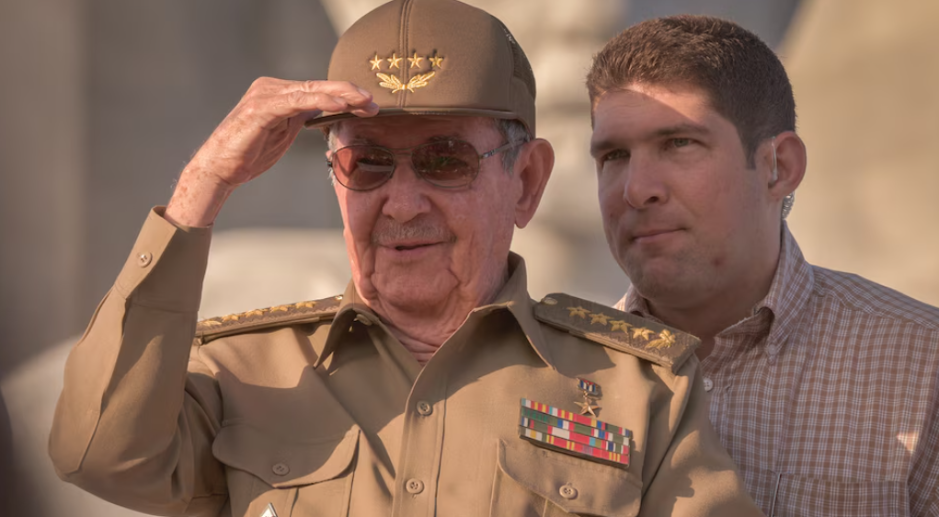
Raúl Castro
The Brothers to the Rescue case returns to the forefront
The downing of the planes occurred in February 1996, when Cuban fighter jets destroyed civilian aircraft belonging to Brothers to the Rescue over international waters.
The attack left four dead and triggered one of the largest diplomatic crises between Washington and Havana since the end of the Cold War.
Now, nearly three decades later, the Trump administration seeks to advance legally against one of the top political figures of the Cuban regime.
The administration of Donald Trump is moving forward with a possible formal indictment against former Cuban dictator Raúl Castro for the downing of civilian aircraft belonging to the humanitarian group Brothers to the Rescue in 1996, in what could become one of the most forceful legal actions by Washington against the leadership of the Cuban communist regime.
According to U.S. officials speaking to CBS News, the process is under evaluation and will require the approval of a federal grand jury.
The case revolves around the attack carried out by the Cuban dictatorship against small planes belonging to Brothers to the Rescue, a humanitarian organization made up of Cuban exiles in the United States.
Trump intensifies pressure on the Cuban dictatorship
The legal initiative comes amid a broader offensive driven by the White House against the regime in Havana.
In recent months, the United States has:
tightened economic sanctions
blocked oil supplies
pressured foreign companies linked to the regime
threatened new tariffs
expanded measures against GAESA, the Cuban military conglomerate
The strategy aims to weaken the economic apparatus controlled by the Cuban Armed Forces and force deep political and economic reforms on the island.
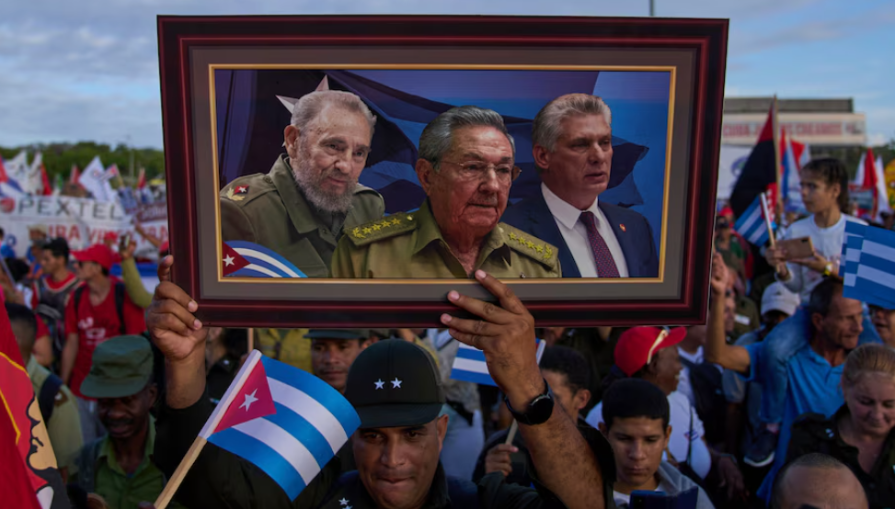
Raúl Castro
Trump even publicly suggested a “friendly takeover” of Cuba to end decades of economic collapse and repression.
The CIA negotiates directly with Raúl Castro's circle
Despite the tightening of sanctions, Washington maintains indirect dialogue channels with sectors of the regime.
The CIA director, John Ratcliffe, recently met with Raúl Guillermo Rodríguez Castro, Raúl Castro's grandson and considered one of the main internal operators of the regime.
According to U.S. officials, Ratcliffe personally conveyed Trump's message:
The United States is willing to advance in economic and security cooperation only if Cuba implements real structural changes.
Sources cited by Axios indicated that the meeting included discussions on: