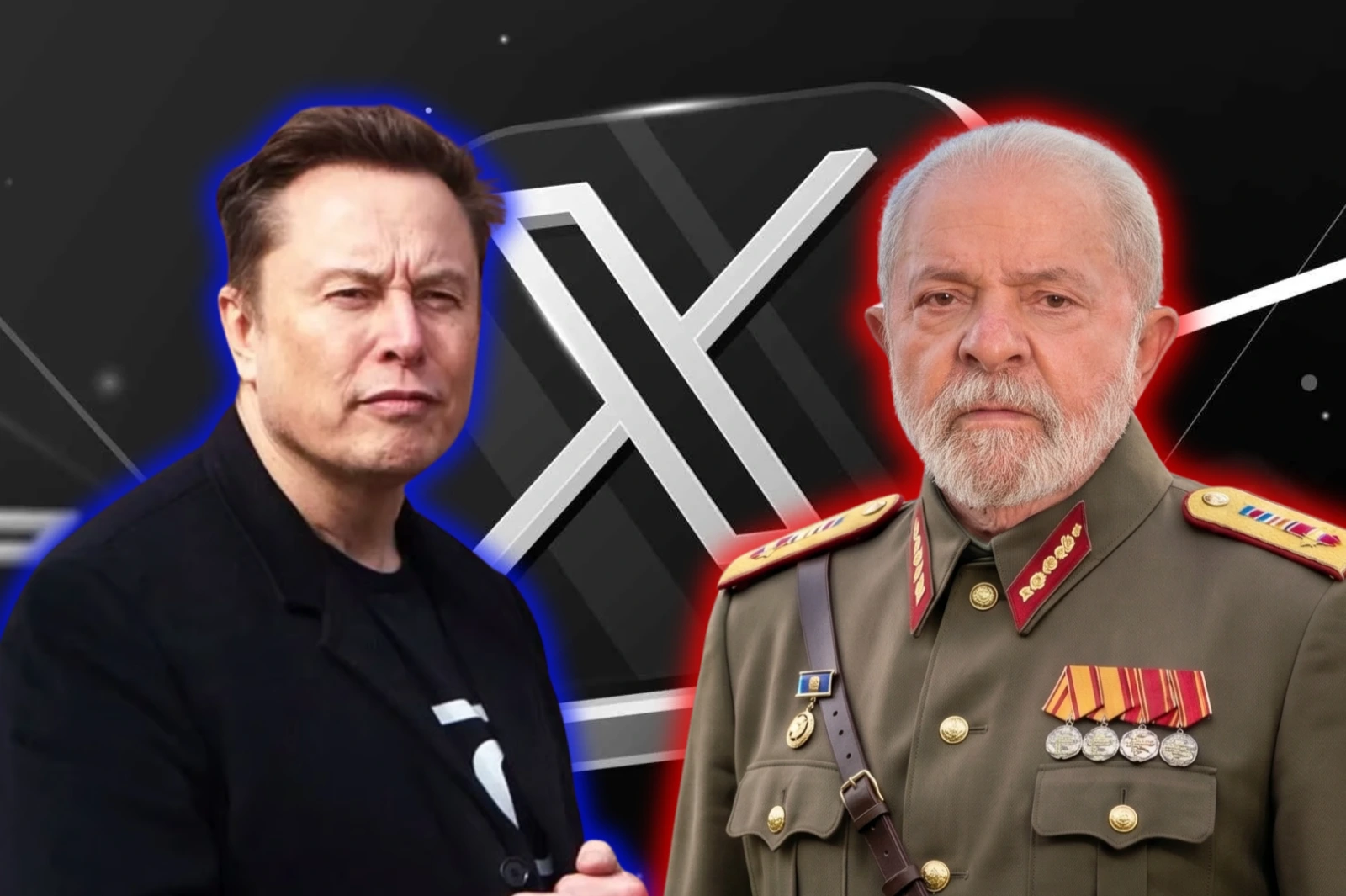
The social network X (formerly Twitter), owned by Elon Musk, opened a new part of its algorithm's source code and exposed to the world the mechanism that Lula's regime forced to incorporate for the 2026 presidential elections: a filter that prevents posts from 665 opposition accounts from being recommended in the "For You" tab to users who do not follow them.
The system is called "Brazil2026ElectionFilter" and works after X selects the posts that could appear in the feed. If the author is on the Brazilian electoral list and the user does not follow that account, the content is removed from recommendations.
X revealed the censorship filters imposed by court rulings, exposing the dictatorship of Lula da Silva and Alexandre de Moraes
The restriction does not imply the complete removal of the profile nor does it prevent their followers from directly accessing their posts. However, it has a particularly significant effect during an election campaign: it drastically reduces the possibility of those messages spontaneously reaching new audiences through the algorithm.
Among the affected accounts are opposition leaders such as Flávio Bolsonaro, the right-wing presidential candidate, and his brother Carlos Bolsonaro. The list does not exclusively contain right-wing opponents; it also includes figures linked to other political forces competing against the regime's candidate.
X complies with the legal requirement imposed in Brazil, but at the same time publishes the functioning of the filter within its open repository. This way, any programmer, researcher, journalist, or citizen can observe what mechanism exists, how it works, and under what conditions certain posts stop being recommended.
Elón Musk spoke out about censorship
“Any censorship required by governments is now clearly visible,” Musk celebrated when referring to the publication of the code that exposed how the communist dictatorship of Lula da Silva and Alexandre de Moraes judicially ordered the censorship of 665 profiles of political opponents
The update from X also shows that the classification and visibility of posts are different processes. A piece of content can receive a certain score within the algorithm and still be subsequently removed through specific filters that determine whether it can reach the user.
The revelation takes on special relevance amid the growing complaints against the Brazilian judicial apparatus for its restrictions on social networks and political leaders, particularly due to the decisions driven in recent years by the communist judge Alexandre de Moraes.
"Let's have a coffee": the filtered conversation that exposes the relationship between the Supreme Court and the regime
The regime managed to impose the filter, but Elon turned its enforcement into an exercise in transparency that allows for public auditing of the restrictions orchestrated by Lula Da Silva's dictatorship: from now on, any user can know who demands the restrictions, which accounts are affected, and how the algorithm executes those orders.