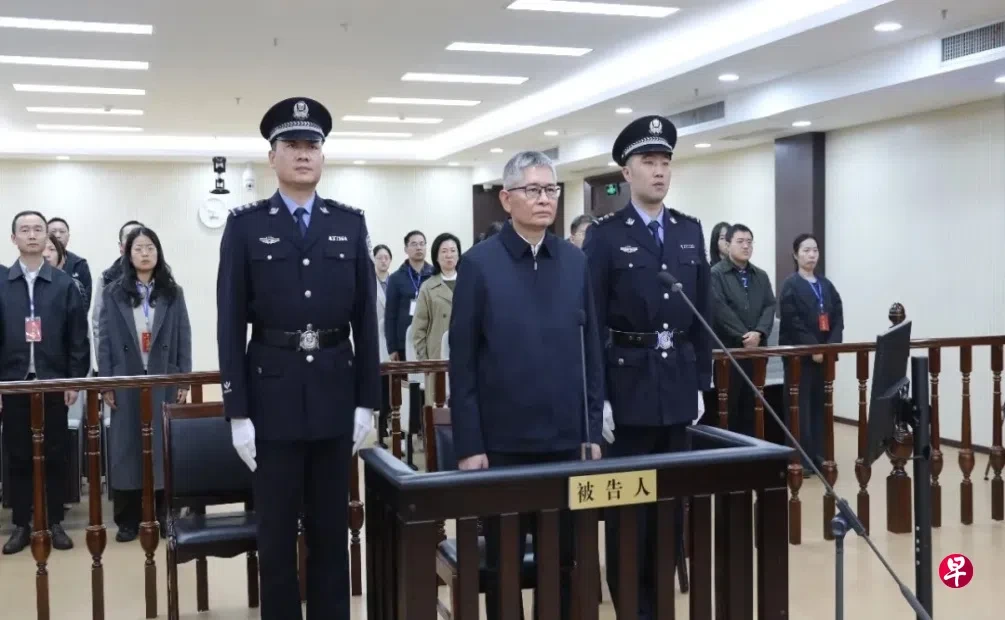
A Chinese court sentenced Lan Tianli, former president of the government of the Guangxi autonomous region, to death with a two-year suspension on Friday for accepting bribes exceeding 587 million yuan, equivalent to about 88 million dollars.
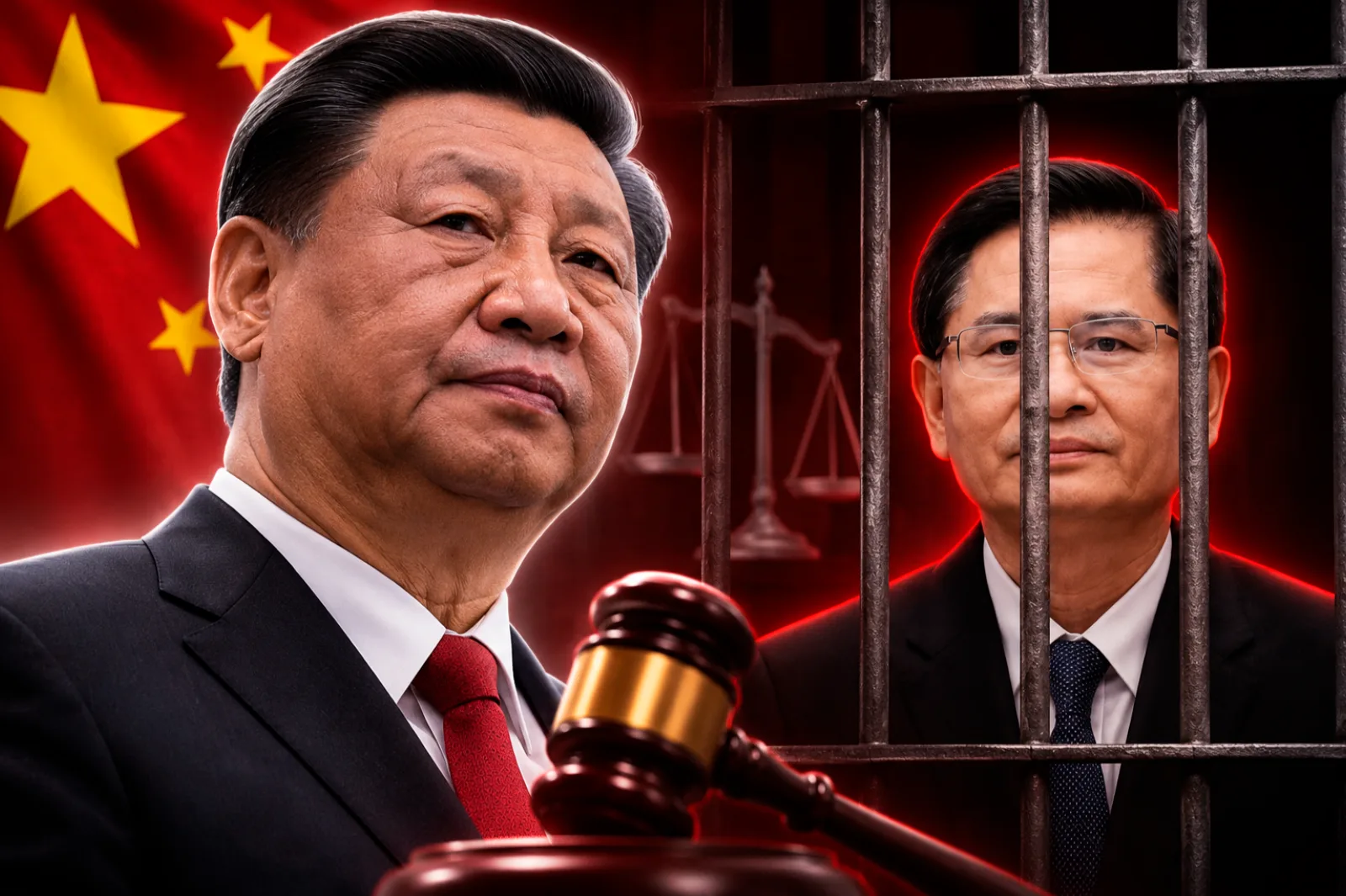
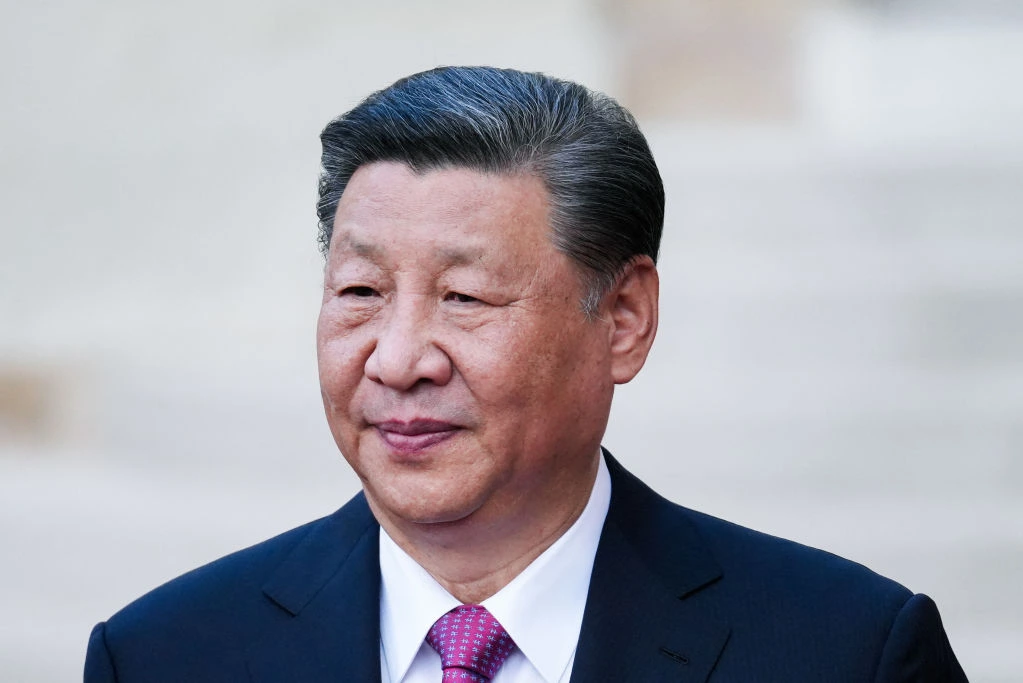
The sentence against the 64-year-old ex-official exposes a new case of high-level corruption within the Communist Party of China (CPC), despite the zero-tolerance campaign that dictator Xi Jinping has been promoting for over a decade.
The Changde Intermediate People's Court in the central province of Hunan determined that Lan used the public positions he held between 2008 and 2025 to illegally favor companies and individuals in business operations, contract awards, and appointments of officials. In return, he received money and valuable goods for an amount that the ruling deemed particularly high, with particularly severe consequences for the interests of the State and the population.
The former president of the Chinese region of Guangxi was sentenced to death after being found guilty of a gigantic case of gifts and bribes
Lan developed practically his entire political career in Guangxi, an autonomous region in southern China. Among his responsibilities were the leadership of the Party in the city of Hechi, the vice presidency of the regional government, and the presidency of the regional committee of the Chinese People's Political Consultative Conference. In 2021, he assumed the presidency of the regional government, one of the most politically and administratively significant positions in Guangxi.
According to the verdict, the former leader took advantage of those positions to intervene in business management matters, project contracting, and the promotion of political cadres. The prosecution established that the bribes exceeded 587 million yuan, about 80.4 million euros.
In addition to the suspended death sentence, the court ordered the deprivation of his political rights for life and the confiscation of all his personal assets. The illegally obtained assets and their proceeds must be transferred to the State, while authorities will continue to attempt to recover the outstanding amounts.
A death sentence that will end in life imprisonment
Chinese legislation states that if no circumstances arise during the two-year suspension that justify execution, the death penalty will be commuted to life imprisonment. In Lan's case, the court determined that he will not be able to benefit from further reductions in sentence or access parole.
The decision to suspend the execution was related to several mitigating factors. The court considered that some of the bribery offenses were attempted and did not come to fruition. It also valued that Lan confessed to his illegal activities after being detained, provided information about facts that investigators were still unaware of, and acknowledged his responsibility.
The ex-official expressed remorse and cooperated in the return of a significant portion of the illicit gains. According to the court, most of the assets involved had already been recovered by the time the sentence was issued.
The trial had a public hearing on July 30, 2026, during which the prosecution presented the evidence that was examined and questioned by Lan and his defense. Both parties presented their arguments before the final ruling.
Lan's sentence, however, will be commuted to life imprisonment without the possibility of parole
The fall of a Communist Party leader
Lan was born in Guangxi and began his political career in 1980. He joined the Communist Party five years later and progressively rose within the regional structure until he reached the top government positions.
In May 2025, he was subjected to a disciplinary and supervisory investigation. In December of that year, the highest anti-corruption agency in China announced his expulsion from the CPC and his removal from all public positions due to serious violations of discipline and laws.
Authorities also accused him of engaging in factional activities, building a personal influence network, associating with individuals classified as political swindlers, and resisting internal oversight mechanisms. They also pointed out irregularities in the selection of officials and the improper acceptance of banquets, gifts, and cash. Formal bribery charges were filed in April 2026.
The Chinese politician had already been the subject of an investigation for suspected corruption and was expelled from the CCP
The contradictions of Xi Jinping's campaign
The case represents a new blow to the image of the anti-corruption campaign that Xi Jinping has made one of the main banners of his government since he came to power in 2012. The initiative has targeted regional officials, leaders of state-owned enterprises, and high-ranking military officials, including members of the most important structures of the regime.
Xi has defined corruption as the main ''malignant tumor'' that threatens the survival and functioning of the Communist Party and has promised to maintain a policy of zero tolerance.
However, the magnitude of the bribes attributed to Lan raises questions about the effectiveness of internal controls in a political system characterized by the concentration of power, lack of institutional transparency, and the subordination of state structures to the Communist Party.
Despite Xi Jinping's theoretical anti-corruption campaign, new cases of corruption appear regularly in the Chinese Communist Party
The existence of corruption cases of such scale after years of purges and sanctions also calls into question the campaign's ability to change practices within the Chinese bureaucracy. While Beijing presents the convictions as evidence of its commitment to discipline, the absence of independent oversight mechanisms makes it difficult to assess to what extent these measures structurally combat corruption.
Furthermore, various observers have warned that disciplinary investigations can serve as tools to displace rivals and consolidate Xi's political control. In this context, Lan's conviction again highlights the contradictions of a regime that demands absolute obedience from its officials but continues to face corruption scandals at its highest levels.