DTV received more than Bs 19 million in contracts during Luis Arce's administration, according to complaints and official reports
Compartir:
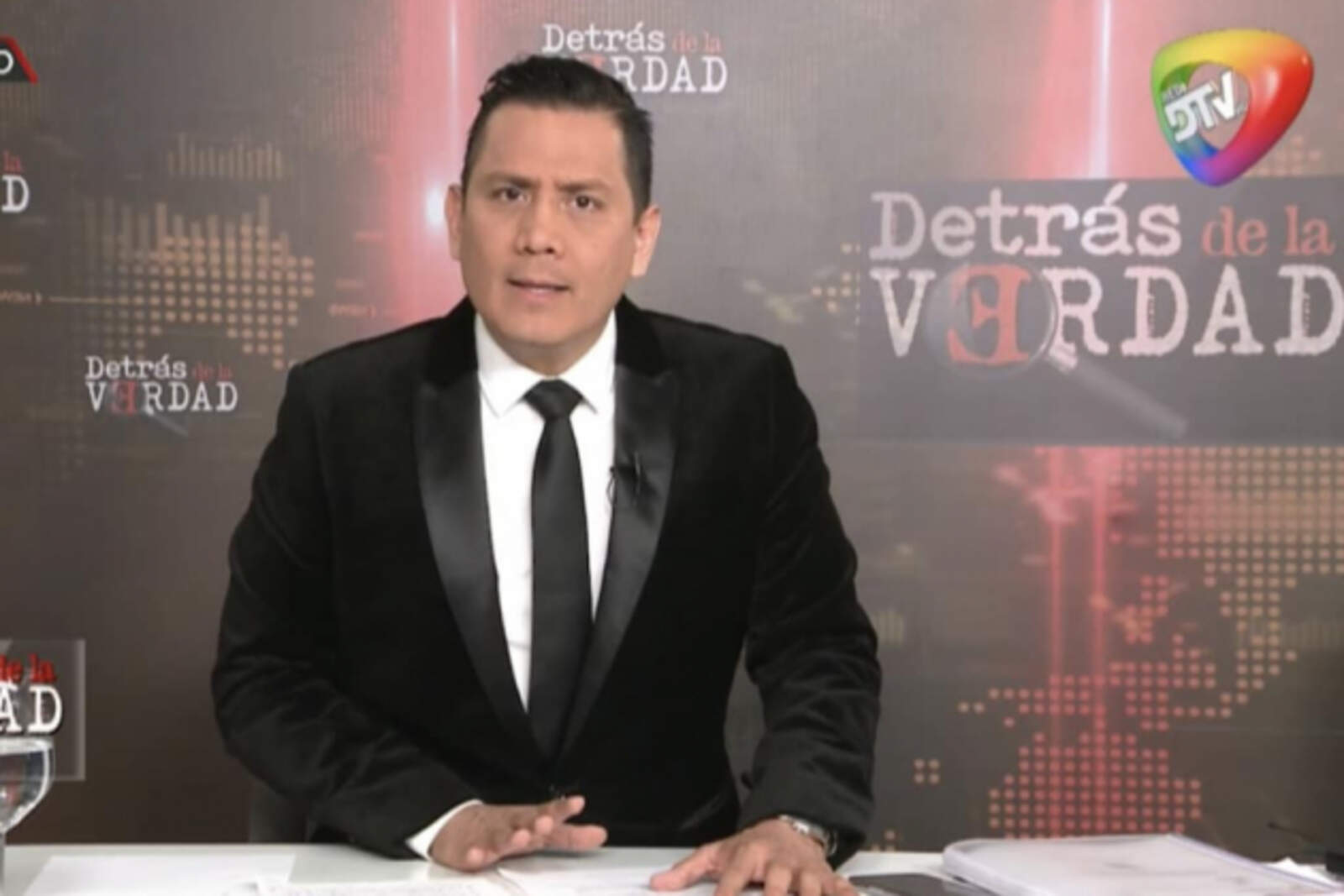
Journalist Junior Arias and his channel DTV are at the center of a new controversy. Official documents and parliamentary complaints reveal that they received more than Bs 19.2 million (USD 2.7 million) in state contracts during Luis Arce's administration.
Records from the State Contracting System (SICOES) show direct awards for "broadcasting on television and digital media," mainly from the Ministry of the Presidency.
A lucrative business with the State
Between 2021 and 2023, DTV signed multiple agreements with various public entities.
In March 2023, Bs 2 million for media broadcasting.
In November and December 2022, three contracts for Bs 1.2 million, Bs 900,000, and Bs 1 million.
Other smaller contracts, ranging from Bs 35,000 to Bs 500,000, were repeated continuously.
One of the most controversial cases: Bs 3 million for just 24 days of broadcasting, equivalent to Bs 125,000 per day.
Junior Arias y sus negocios con el estado en el ojo de la tormenta
Network of contracts throughout the State
The Ministry of the Presidency was not the only client. Contracts also appear with:
National Customs: Bs 1.6 million (2023–2024).
YPFB: almost Bs 700,000 between 2021 and 2023.
National Tax Service (SIN): Bs 357,000 in 2023.
ASFI, ABE, BOA, Ministry of Public Works and Environment, with amounts ranging from Bs 46,000 to Bs 200,000.
In total, more than 25 contracts in 13 months, according to the complaint by Deputy Héctor Arce, from the "evista" wing of MAS.
The usual "favoritism"
The deputy denounced a clear steering of state advertising toward a journalist with national reach. "Meanwhile, community media are agonizing, while others concentrate millions in official propaganda," Arce stated.
Similar cases have been seen in Ecuador, Argentina, and Venezuela, where state advertising has become a tool for political control and indirect censorship.
Institutional advertising or propaganda?
The Government argues that the contracts serve "institutional" purposes. However, the repetition, the amount, and DTV's editorial alignment with the ruling party fuel suspicions of covert propaganda.
Amid an economic crisis, with fiscal deficit, inflation, and fuel shortages, allocating millions to a single private media outlet generates outrage.
The political background
The case arises amid an internal split within MAS, between President Arce and Evo Morales. For many, DTV's media coverage plays a key role in that factional war.
The question that stands out is: Are we facing a legitimate advertising scheme or a propaganda mechanism using money from all Bolivians?