The meeting comes after statements by President Donald Trump about the possibility of freeing Cuba from the communist regime.
Nuevo
Agregar La Derecha Diario en
Compartir:
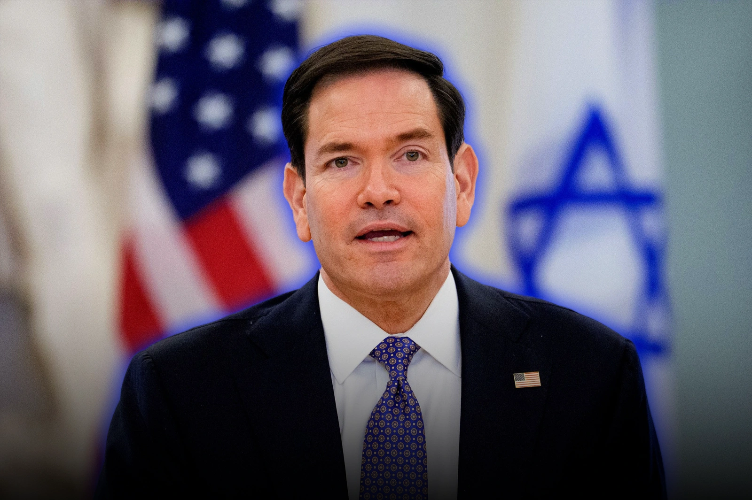
The Secretary of State of the United States, Marco Rubio, participated this Tuesday in a strategic conference at the headquarters of the United States Southern Command (SOUTHCOM), in a meeting focused on the security of the Western Hemisphere and the fight against narco-terrorism.
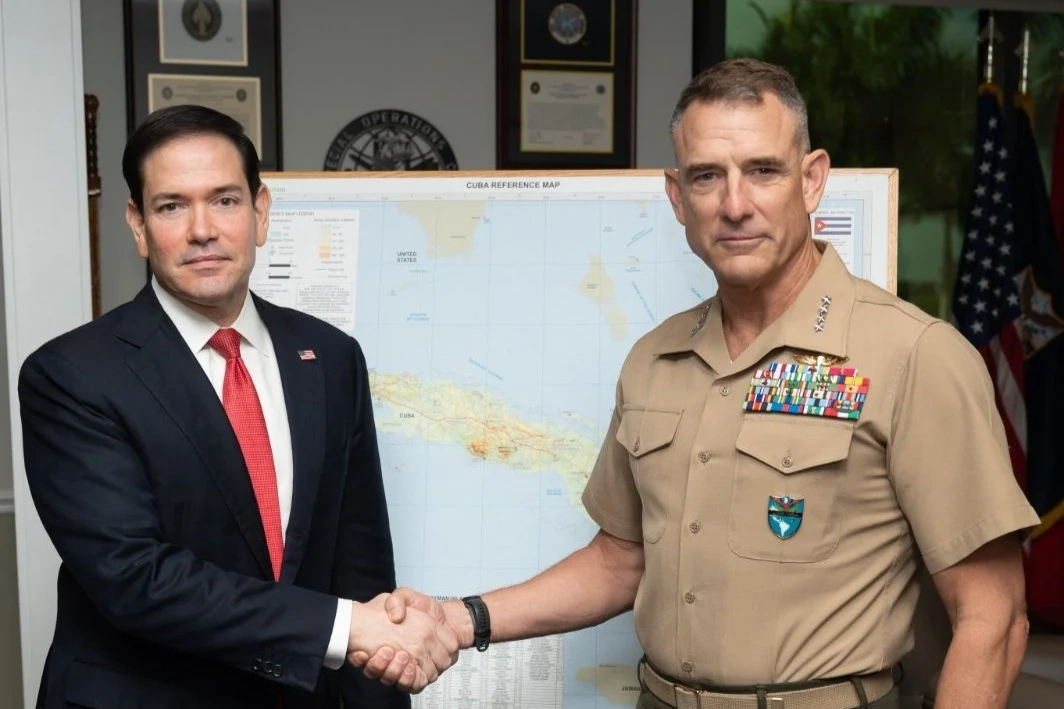
However, an image taken during the meeting, accompanied by a map of Cuba, together with Francis Donovan, head of SOUTHCOM, became the most striking element of the event.
The meeting was attended by senior officials of the U.S. government, and its purpose was to advance the objectives of the United States national security strategy.
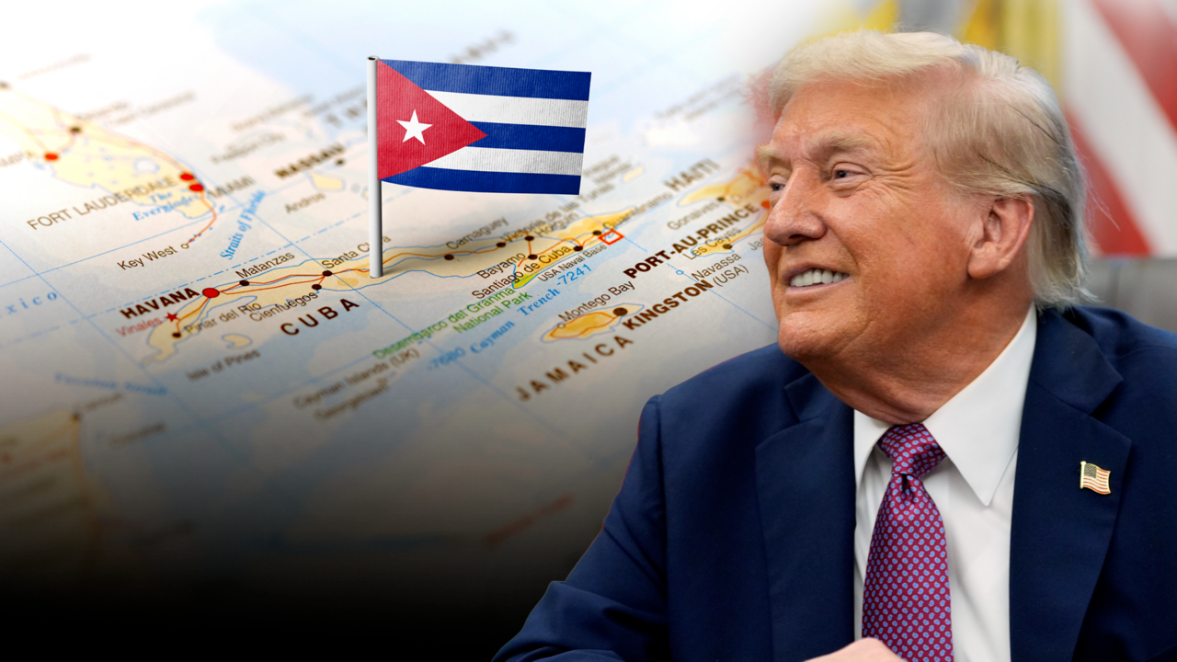
President Donald Trump.
The focus was reportedly on strengthening regional cooperation and on “denying adversaries a foothold” in Latin America
and the Caribbean.
In this context, the figure of Rubio gains particular weight, both because of his current role and because of his trajectory as one of the most critical leaders of the Cuban regime in U.S. politics. His participation in the military headquarters reinforces the centrality of the Cuba issue within Washington's strategic agenda
.
Trump and Cuba
The key political fact is that the meeting took place just one day after President Donald Trump again publicly referred to the situation on the island
.
In recent statements, the president raised the possibility of intervening to “liberate Cuba”, within the framework of a broader policy of pressure on hostile regimes.
Trump's definitions align with a strategy that combines diplomatic pressure, economic sanctions and military deployment in the region. In this framework, the Southern Command, responsible for U.S. military operations in Latin America and the Caribbean, plays a key role in planning and coordinating actions.
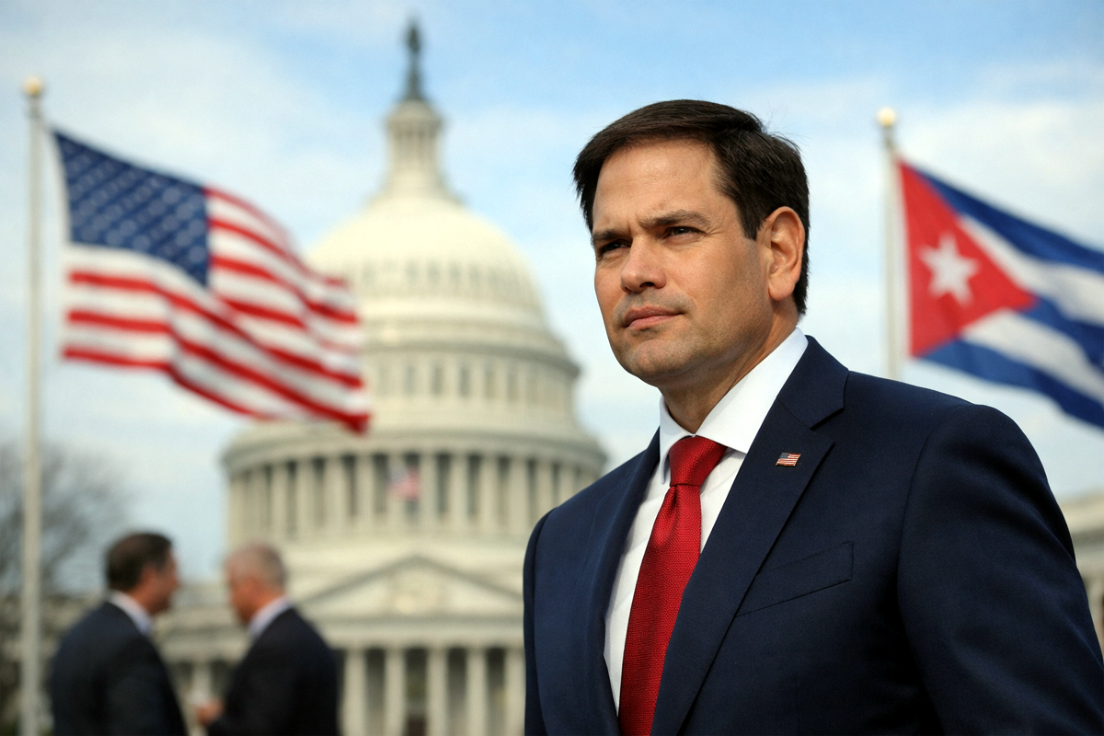
Marco Rubio.
Rubio's presence in that military structure is no small fact. The official has repeatedly argued that the situation in Cuba responds to the failure of the communist model, which he described as a “disaster”, reinforcing the administration's tough stance on Havana.
Mike Hammer also participated in the conference, which shows the level of diplomatic involvement in the analysis of the regional situation, coordinating between political, diplomatic and military areas.
The background of this offensive is marked by the Trump Administration's sustained criticism of the communist regime in Cuba, responsible for strong internal repression, political control and an economic crisis that has significantly deteriorated living conditions on the island for years.
In this scenario, the image of Rubio in front of a map of Cuba shows the island's place in the United States' strategic agenda in the region.